


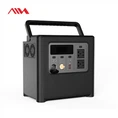
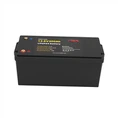

As a supplier of AGM GEL batteries, I often encounter inquiries about the energy density of these batteries. Energy density is a crucial factor when evaluating the performance and suitability of a battery for various applications. In this blog post, I will delve into the concept of energy density, specifically focusing on AGM GEL batteries, and explore how it impacts their use in different scenarios.
Understanding Energy Density
Energy density is defined as the amount of energy stored in a given system or region of space per unit volume or mass. In the context of batteries, it is typically expressed in watt - hours per kilogram (Wh/kg) for specific energy (energy per unit mass) or watt - hours per liter (Wh/L) for energy density (energy per unit volume). A higher energy density means that a battery can store more energy in a smaller and lighter package, which is highly desirable in many applications, especially those where space and weight are at a premium.
Energy Density of AGM GEL Batteries
AGM (Absorbent Glass Mat) and GEL batteries are both types of valve - regulated lead - acid (VRLA) batteries. They are sealed, maintenance - free, and offer several advantages over traditional flooded lead - acid batteries, such as spill - proof design and the ability to be mounted in various positions.
The energy density of AGM GEL batteries typically ranges from 30 - 50 Wh/kg and 60 - 110 Wh/L. These values are relatively lower compared to some other battery chemistries, such as lithium - ion batteries. For example, lithium - iron - phosphate (LiFePO4) batteries, a popular type of lithium - ion battery, can have an energy density of 90 - 120 Wh/kg and 150 - 200 Wh/L.
The lower energy density of AGM GEL batteries is mainly due to the nature of the lead - acid chemistry. Lead is a heavy metal, and the chemical reactions in lead - acid batteries involve relatively large and heavy components. However, AGM GEL batteries have their own unique advantages that make them a preferred choice in many applications despite their lower energy density.
Advantages of AGM GEL Batteries Despite Lower Energy Density
- Cost - effectiveness: AGM GEL batteries are generally more affordable than lithium - ion batteries. The raw materials used in lead - acid batteries are more abundant and less expensive, which translates into a lower cost per watt - hour of storage. This makes them a cost - effective solution for applications where high energy density is not the primary concern, such as backup power systems for small businesses and residential use.
- Robustness and reliability: AGM GEL batteries are known for their durability and ability to withstand harsh environmental conditions. They can operate over a wide range of temperatures and are less prone to damage from overcharging and deep discharging compared to some other battery chemistries. This makes them suitable for use in off - grid solar systems, marine applications, and emergency power supplies.
- Compatibility: AGM GEL batteries are compatible with existing lead - acid charging systems. This means that users can easily replace their old flooded lead - acid batteries with AGM GEL batteries without having to invest in new charging equipment.
Applications of AGM GEL Batteries
- Backup Power Systems: AGM GEL batteries are commonly used in uninterruptible power supplies (UPS) for homes and businesses. In the event of a power outage, these batteries can provide a reliable source of power to keep essential equipment running until the main power is restored. Their ability to deliver high currents for short periods makes them well - suited for this application.
- Solar Energy Storage: In off - grid and hybrid solar power systems, AGM GEL batteries can store the energy generated by solar panels during the day for use at night or during periods of low sunlight. Their robustness and ability to handle deep discharges make them a popular choice for this type of application.
- Marine and RV Applications: AGM GEL batteries are ideal for marine and recreational vehicle (RV) use. They can be mounted in various positions without the risk of acid leakage, and their ability to withstand vibration and shock makes them suitable for the rough conditions encountered on boats and RVs.
Comparing AGM GEL Batteries with LiFePO4 Batteries
While AGM GEL batteries have their advantages, it is important to consider the competition, especially from LiFePO4 batteries. LiFePO4 batteries offer higher energy density, longer cycle life, and faster charging times compared to AGM GEL batteries.


For example, our 12V 100Ah LFP Battery SNR12100 and Deep Cycle 12V 100Ah Rechargeable Lifepo4 Battery Pack With Build - in Bluetooth BMS provide a more energy - dense and long - lasting solution for applications where space and weight are critical. The 12V 300ah Lifepo4 Bms Inside Power System is also a great option for high - energy storage needs.
However, the higher cost of LiFePO4 batteries may not be justifiable for all applications. In cases where cost is a major factor and high energy density is not essential, AGM GEL batteries remain a viable choice.
Conclusion
The energy density of AGM GEL batteries is an important consideration when choosing a battery for a particular application. While they have a lower energy density compared to some other battery chemistries, their cost - effectiveness, robustness, and compatibility make them a popular choice in many scenarios.
If you are in the market for a battery and are unsure whether AGM GEL batteries or LiFePO4 batteries are the right fit for your needs, we are here to help. Our team of experts can provide you with detailed information and guidance to help you make an informed decision. Whether you need a battery for backup power, solar energy storage, or marine applications, we have a wide range of products to meet your requirements.
We invite you to contact us for further discussions on your battery needs. Our experienced sales team is ready to assist you in selecting the most suitable battery for your application and can provide you with competitive pricing and excellent customer service. Let's work together to find the best battery solution for you.
References
- Linden, D., & Reddy, T. B. (2002). Handbook of Batteries. McGraw - Hill.
- Kannan, M., & Haran, B. (2018). Battery Systems Engineering. John Wiley & Sons.