


Hey there, battery enthusiasts! As a supplier of top - notch battery cells, I've seen firsthand the importance of proper storage to keep these powerhouses performing at their best. Whether you're a hobbyist working on a small DIY project or a large - scale manufacturer, the way you store your battery cells can make or break their performance.
Understanding Battery Cell Basics
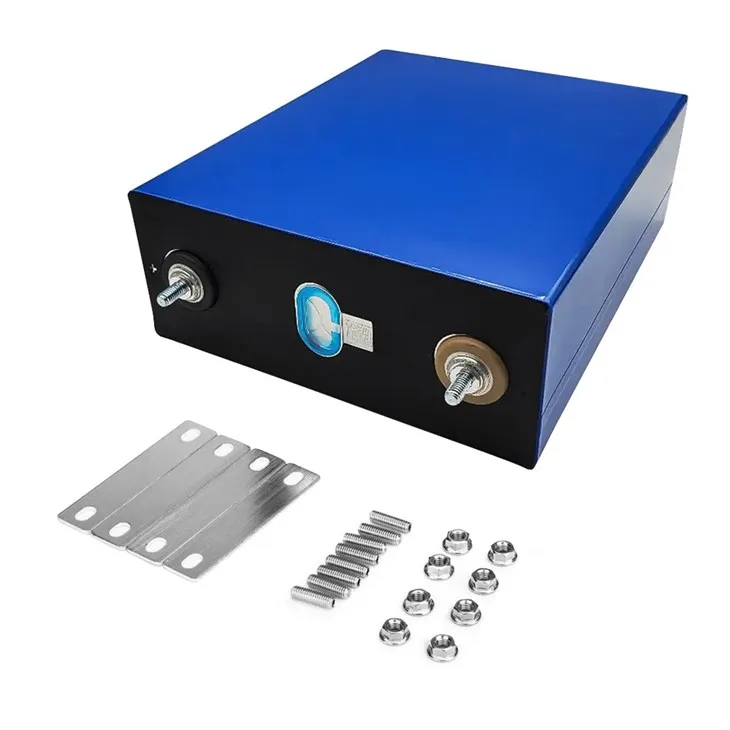
Before we dive into storage tips, let's quickly talk about the common types of battery cells we offer. We've got a range of great options. For example, the Prismatic Phosphate Battery Grade A 3.2V 302Ah Lifepo4 Battery Cells Lithium Ion Batteries. These are awesome for applications requiring high capacity and long - term reliability. Then there's the Cylindrical 3.6v 5000mah NCM Cell, which is known for its high energy density and great performance in high - drain devices.
The Cylindrical 3.2v 3300mah Lifepo4 Cell is a popular choice for those who need a balance between capacity and safety. The High Rate 3.2v 3000mah Lifepo4 Cell is designed to deliver high currents quickly, perfect for power - hungry applications. And don't forget the Prismatic 3.2v 280ah Lifepo4 Cell, a workhorse for large - scale energy storage systems.
Temperature Matters
One of the most critical factors in battery cell storage is temperature. Batteries are sensitive little things, and extreme temperatures can mess with their performance big time. You see, when it's too hot, the chemical reactions inside the battery speed up. This can lead to faster self - discharge and may even cause some components in the battery to break down over time. Think of it like leaving a chocolate bar in a hot car; it's just going to melt and not work as it should.
On the flip side, cold temperatures slow down those chemical reactions. While this might seem okay at first, it can reduce the battery's ability to deliver power when you need it. For most lithium - ion battery cells like the ones we supply, the ideal storage temperature is between 20°C and 25°C (68°F - 77°F). But if you can't keep it exactly in that range, try to keep it as close as possible. If you have to store them in colder or hotter places, make sure it's not for too long.
State of Charge
The state of charge (SOC) when you store your battery cells is also super important. You don't want to store them fully charged or completely discharged. Storing a battery at a high SOC for a long time can cause the battery to age faster. It's like overworking a person; they're going to get worn out quicker. And if you store a battery fully discharged, it can lead to sulfation in some battery types or can cause irreversible damage to the electrodes in lithium - ion cells.
For long - term storage, it's recommended to store lithium - ion battery cells at around 40% - 60% SOC. It gives the battery a good balance and helps maintain its performance over time. Before storing, you can use a battery charger with a state - of - charge indication feature to get it to the right level.
Humidity and Air Quality
Humidity is another factor that can affect battery cell storage. High humidity can lead to corrosion on the battery terminals. You know how metal rusts when it's exposed to too much moisture? Well, the same thing can happen to your battery terminals. This corrosion can increase the internal resistance of the battery and reduce its performance.
It's best to store battery cells in a dry environment with a relative humidity of less than 60%. You can use dehumidifiers in your storage area if necessary. And speaking of the storage area, the air quality is also important. Avoid storing batteries in places with a lot of dust, chemicals, or other contaminants. These can not only damage the battery casing but also get inside the battery and cause problems.
Physical Storage Conditions
When it comes to physically storing the battery cells, you want to keep them in a stable and safe place. Don't just toss them in a random box where they can get jostled around or damaged. If you're stacking them, make sure they're stacked properly so that there's no uneven pressure on any of the cells.
Also, keep the batteries away from any sharp objects or sources of mechanical stress. A small dent or scratch on the battery casing can lead to internal short - circuits, which are a big no - no. You can use specialized battery storage containers that are designed to protect the cells and keep them organized.

Regular Checks
Even when you've stored your battery cells under the best conditions, it's a good idea to give them a regular check - up. You can do a simple voltage check every few months to see if the state of charge is maintaining as expected. If you notice a significant drop in voltage, it could be a sign that something's not right. You might need to recharge the battery to the proper level or investigate further to see if there's any damage.
Connection and Packaging
When storing the battery cells, make sure the terminals are protected. You can use terminal covers or insulating tape to prevent any accidental short - circuits. And of course, keep them in their original packaging if possible. The packaging is designed to protect the battery during shipping and short - term storage. It can also provide an extra layer of protection against dust and moisture.
Conclusion
So, there you have it! These are the key things you need to keep in mind when storing battery cells to maintain their performance. By controlling the temperature, getting the state of charge right, managing humidity and air quality, and providing a proper physical storage environment, you can ensure that your battery cells will be ready to go when you need them.
If you're in the market for high - quality battery cells, look no further. We've got a wide selection of battery cells that are built to last. Whether you need a single cell for a small project or a large quantity for a commercial application, we can help. Reach out to us to discuss your requirements and start a procurement process. Let's work together to power up your next big thing!
References
- Linden, D., & Reddy, T. B. (Eds.). (2002). Handbook of batteries. McGraw - Hill.
- Peled, E., Golodnitsky, D., & Ardel, G. (1997). Aging mechanisms and side reactions in lithium - ion batteries. Journal of The Electrochemical Society, 144(11), L208 - L210.