



What is the temperature range for a 12V battery? Well, if you're like many folks out there, you probably don't give much thought to the ideal temperature for your 12V battery. But let me tell you, as a long - time 12V battery supplier, temperature can have a huge impact on your battery's performance and lifespan.
Understanding Why Temperature Matters
You see, a 12V battery is a complex piece of equipment. Inside those small boxes, chemical reactions are constantly taking place. These reactions are what generate the electrical energy that powers your devices. And just like any other chemical reaction, temperature plays a crucial role.
When it's too cold, the chemical reactions slow down. This means that the battery can't deliver as much power as it would at a normal temperature. You might notice that your battery drains faster or that it struggles to start your vehicle or power your equipment. On the flip side, when the temperature is too high, the reactions can speed up too much. This can cause the battery to overheat, which not only reduces its performance but can also lead to permanent damage over time.
The Ideal Temperature Range
So, what's the sweet spot? Generally speaking, the ideal temperature range for a 12V battery is between 20°C and 25°C (68°F - 77°F). In this range, the chemical reactions inside the battery occur at an optimal rate. The battery can charge efficiently, hold its charge well, and deliver power steadily.
If you're using a 12V battery in a setting where the temperature can be controlled, like indoors or in a climate - controlled vehicle, it's easier to keep the battery within this ideal range. Just make sure to place the battery in a well - ventilated area away from direct heat sources.
Cold Temperature Performance
Now, let's talk about cold temperatures. If you live in a cold climate or use your battery in cold environments, it's important to know how your 12V battery will perform. As the temperature drops below 0°C (32°F), the battery's capacity starts to decrease significantly. For example, at - 20°C (- 4°F), a typical 12V battery might only be able to deliver about 50% of its normal capacity.
This is why it can be so hard to start a car in the winter. The cold weather reduces the battery's ability to provide the large amount of power needed to crank the engine. To help your battery perform better in the cold, you can use a battery insulator or keep the battery charged. A fully charged battery is more resistant to cold temperatures than a partially charged one.
High - Temperature Issues
High temperatures are also a concern. When the temperature rises above 30°C (86°F), the battery's self - discharge rate increases. This means that the battery will lose its charge more quickly even when it's not in use.
If the temperature gets too high, say above 45°C (113°F), it can cause the battery's electrolyte to boil and evaporate. This can lead to a decrease in battery capacity and ultimately, permanent damage. In hot climates, it's a good idea to keep your battery in a shaded area and make sure it's well - ventilated. You might also want to consider using a battery with a heat - resistant design.
Different Types of 12V Batteries and Their Temperature Tolerances
Not all 12V batteries are created equal when it comes to temperature. Let's take a look at some common types.
- Lead - Acid Batteries: These are some of the most common types of 12V batteries. They can tolerate a relatively wide temperature range, but their performance still suffers in extreme conditions. In cold weather, lead - acid batteries can become sluggish, and in hot weather, they can experience increased water loss and corrosion.
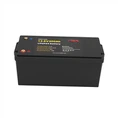
- Lithium - Ion Batteries: Lithium - ion batteries, especially Fast Delivery LiFePO4 BMS Lithium Battery Pack 12V 200Ah Lithium Ion Battery, are known for their better performance in a wider temperature range compared to lead - acid batteries. Deep Cycle Solar RV Caravan Marine 12 Volt Lithium Ion Batteries 12V 100ah LiFePO4 Battery and Deep Cycle 12V 100Ah Rechargeable Lifepo4 Battery Pack With Build - in Bluetooth BMS are great examples. They can operate well in temperatures ranging from - 20°C to 60°C (- 4°F - 140°F), although their charging efficiency may be reduced at the lower end of this range.
Protecting Your 12V Battery from Temperature Extremes
As a supplier, I often get asked how to protect 12V batteries from temperature extremes. Here are some tips:
- Storage: When storing your battery, try to keep it in an environment with a stable temperature within the ideal range. Avoid storing it in direct sunlight or in unheated or uncooled storage areas.
- Usage: If you're using the battery in a high - temperature environment, make sure to give it breaks to cool down. In cold environments, consider using a battery warmer or insulating the battery.
- Monitoring: Regularly check the battery's temperature and state of charge. You can use a simple battery thermometer to keep track of the temperature.
Choosing the Right 12V Battery for Your Temperature Conditions
When you're in the market for a 12V battery, it's important to consider the temperature conditions in which you'll be using it. If you live in a cold climate, a battery with good cold - weather performance, like some of the lithium - ion models we offer, might be a better choice. On the other hand, if you're in a hot climate, you'll want a battery that can handle high temperatures without losing its performance.
As your 12V battery supplier, I'm here to help you make the right choice. Whether you need a battery for your car, RV, solar system, or any other application, we can provide you with the information and products you need.


Wrapping Up and Let's Talk
In conclusion, the temperature range for a 12V battery is a crucial factor that can significantly affect its performance and lifespan. By understanding the ideal temperature range and how different temperatures impact your battery, you can take steps to protect it and ensure it works at its best.
If you're interested in learning more about our 12V batteries or need help choosing the right one for your needs, don't hesitate to reach out. We're always happy to have a chat about your requirements and discuss how we can assist you with your battery needs.
References
- Battery University: A great resource for in - depth information on battery technology and performance.
- Various battery manufacturers' technical documentation.