



Wireless charging technology has witnessed remarkable growth and innovation in recent years, revolutionizing the way we power our electronic devices. As a leading wireless charge supplier, I am excited to share the numerous advantages of wireless charging and how it can transform your charging experience.
Convenience and Ease of Use
One of the most significant advantages of wireless charging is its unparalleled convenience. With traditional charging methods, you often have to fumble with cables, ensuring they are properly plugged in and aligned. This can be particularly frustrating in low - light conditions or when you're in a hurry. Wireless charging eliminates these hassles. You simply place your device on a wireless charging pad or stand, and the charging process begins automatically.
For example, imagine coming home after a long day at work. Instead of searching for the right cable and plugging it into your phone, you can just toss your phone on the wireless charger sitting on your nightstand. This seamless process saves time and reduces the wear and tear on your device's charging port, which can be damaged over time from repeated plugging and unplugging.
Enhanced Durability
The physical charging ports on our devices are vulnerable to damage. Dust, lint, and moisture can enter the port, causing corrosion or short - circuits. Additionally, the mechanical stress of plugging and unplugging cables can lead to the loosening of the port or damage to the internal components. Wireless charging eliminates the need for a physical connection, reducing the risk of port damage.
Devices with wireless charging capabilities are generally more durable in the long run. They can withstand the rigors of daily use better, as there is no frequent contact with cables that could potentially break or fray. This not only extends the lifespan of your device but also reduces the frequency of costly repairs.
Aesthetically Pleasing
Wireless charging offers a clean and clutter - free look. In a world where minimalist design is highly valued, the absence of cables can significantly enhance the aesthetic appeal of your living or working space. Wireless chargers come in a variety of sleek and modern designs that can blend seamlessly with any decor.
For instance, a wireless charging stand can be a stylish addition to your office desk, allowing you to keep your phone charged while keeping the area organized. You no longer have to deal with a jumble of cables that can make your space look messy. This aesthetic advantage is not only appealing to consumers but also makes wireless charging a great option for public spaces such as cafes, hotels, and airports.
Multiple Device Compatibility
Many wireless chargers support multiple devices simultaneously. You can charge your smartphone, smartwatch, and wireless earbuds all on the same charging pad. This is particularly useful for households with multiple tech - savvy members or for individuals who own multiple devices.
Wireless charging pads with multiple coils can detect different devices and adjust the charging power accordingly. This means that you don't need to have separate chargers for each device, simplifying your charging setup. For example, if you have an iPhone and an Apple Watch, you can use a single wireless charger that can power both devices at the same time.
Safety
Wireless charging technology is designed with safety in mind. Most wireless chargers have built - in over - charge protection, which automatically stops the charging process when the device is fully charged. This prevents overheating and reduces the risk of battery damage, which can be a safety hazard.

Moreover, since there are no exposed electrical contacts, the risk of electric shock is minimized. This makes wireless charging a safer option, especially in environments where there is a higher risk of water or moisture, such as bathrooms or kitchens.
Mobility and Portability
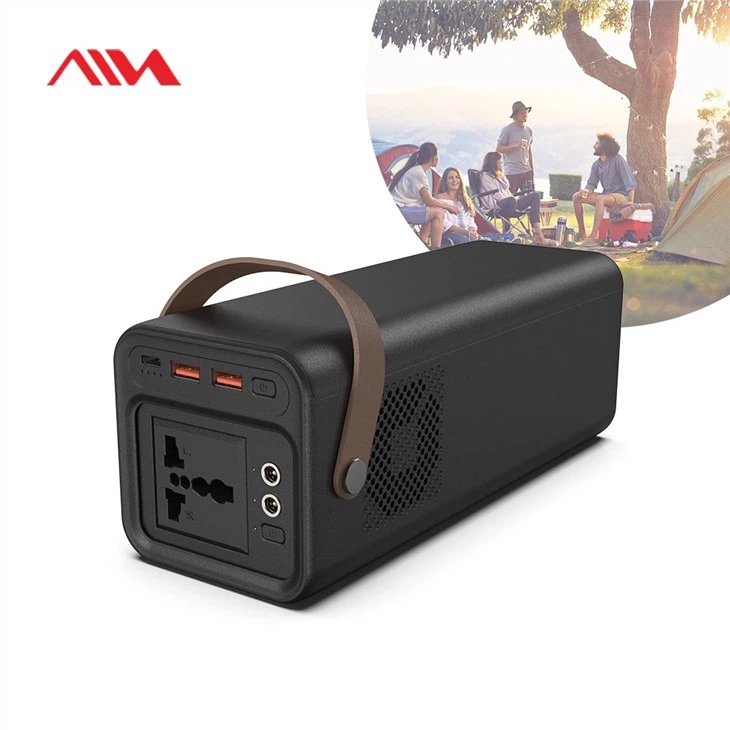
Wireless charging is highly portable. You can carry a wireless charger with you wherever you go, and it can be easily used in different locations. Whether you're traveling, working in a coffee shop, or relaxing at a friend's house, you can charge your device wirelessly without the need for a specific outlet or cable.
Some wireless chargers are even designed to be used outdoors. For example, the Sunnew 2304Wh High Capacity Lithium Iron Battery Accessories Solar Charging 800W Quick Charge Portable Power Station not only provides a large amount of power but also has wireless charging capabilities. This allows you to charge your devices on the go, even in remote areas where there is no access to traditional power sources.
Integration with Furniture and Public Spaces
Wireless charging is being increasingly integrated into furniture and public spaces. Many modern desks, tables, and even car interiors come with built - in wireless charging pads. This integration makes it even more convenient for users to charge their devices without having to carry a separate charger.
In public spaces, such as airports, restaurants, and libraries, wireless charging stations are becoming more common. For example, you can sit at a table in a restaurant and charge your phone without having to ask for a charger or look for an available outlet. This widespread integration of wireless charging is a testament to its growing popularity and usefulness.
Future - Proofing
As more and more devices are being released with wireless charging capabilities, investing in wireless charging technology is a way to future - proof your charging setup. New smartphones, tablets, and other electronic devices are likely to support wireless charging as a standard feature. By having a wireless charger now, you can ensure that you'll be able to charge your future devices without any issues.
Cost - Efficiency in the Long Run
While the initial cost of a wireless charger may be slightly higher than a traditional charger, it can be more cost - efficient in the long run. As mentioned earlier, wireless charging reduces the risk of damage to your device's charging port, which can save you money on repairs. Additionally, since you can use a single wireless charger for multiple devices, you don't need to purchase separate chargers for each device, which can add up over time.
Compatibility with Fast Charging
Many wireless chargers now support fast - charging technology. This means that you can charge your device wirelessly at a speed comparable to traditional wired fast charging. For example, the Outdoor 200W 110V 220V Ac Qc3.0 Fast Charge Emergency Multi - Function Portable Lithium Power Station offers fast wireless charging capabilities, allowing you to quickly top up your device's battery when you're in a hurry.
Environmental Benefits
Wireless charging can have environmental benefits. With fewer cables being produced and used, there is a reduction in electronic waste. Cables often end up in landfills when they break or become obsolete. By using wireless charging, we can reduce the demand for these disposable cables, making a small but significant contribution to environmental conservation.
In conclusion, the advantages of wireless charging are numerous and far - reaching. From convenience and durability to aesthetics and safety, wireless charging offers a superior charging experience compared to traditional methods. As a wireless charge supplier, we are committed to providing high - quality wireless charging solutions that meet the needs of our customers.
If you're interested in purchasing wireless chargers for your personal use or for your business, we invite you to contact us for a detailed discussion. Our team of experts can help you choose the right wireless charging products based on your specific requirements. We look forward to the opportunity to work with you and provide you with the best wireless charging solutions on the market.
References
- [1] International Electrotechnical Commission (IEC). "Wireless Power Transfer Standards." IEC Publications, 20XX.
- [2] Consumer Technology Association. "Trends in Wireless Charging Technology." CTA Reports, 20XX.
- [3] Journal of Electronic Devices. "A Comparative Study of Wired and Wireless Charging for Mobile Devices." Vol. XX, Issue XX, 20XX.