



In the realm of battery technology, the question of which type is more resistant to vibration is of great significance, especially for applications where stability and durability are paramount. As a supplier of AGM GEL batteries, I am often asked whether AGM GEL batteries are more resistant to vibration than other types. In this blog post, I will delve into this topic, exploring the characteristics of AGM GEL batteries and comparing them with other battery types in terms of vibration resistance.
Understanding AGM GEL Batteries
AGM (Absorbent Glass Mat) and GEL batteries are both types of valve-regulated lead - acid (VRLA) batteries. AGM batteries use a fine fiberglass mat to hold the electrolyte in place, while GEL batteries use a silica - based gel to immobilize the electrolyte. This immobilization of the electrolyte is a key feature that gives these batteries several advantages over traditional flooded lead - acid batteries.
One of the primary benefits of AGM GEL batteries is their ability to withstand vibration. The immobilized electrolyte reduces the risk of electrolyte sloshing inside the battery, which can cause internal short - circuits and damage to the battery plates. This makes AGM GEL batteries particularly suitable for applications where vibration is a common issue, such as in vehicles, boats, and industrial equipment.
Vibration Resistance Mechanisms in AGM GEL Batteries
The construction of AGM GEL batteries contributes significantly to their vibration resistance. In AGM batteries, the fiberglass mat acts as a buffer between the battery plates, absorbing and dissipating the energy from vibrations. This helps to prevent the plates from shifting or cracking, which could lead to reduced battery performance or even failure.
GEL batteries, on the other hand, have a more rigid structure due to the gel - like electrolyte. The gel holds the battery components in place, providing a stable environment that is less susceptible to the effects of vibration. The gel also helps to prevent the formation of acid stratification, which can occur in flooded batteries due to vibration and can lead to uneven charging and discharging.
Comparison with Other Battery Types
Flooded Lead - Acid Batteries
Flooded lead - acid batteries are the most traditional type of lead - acid battery. They have a liquid electrolyte that is free to move inside the battery. When subjected to vibration, the liquid electrolyte can slosh around, causing the battery plates to shift and potentially short - circuit. This can lead to reduced battery life and performance. In contrast, AGM GEL batteries' immobilized electrolyte eliminates this problem, making them far more resistant to vibration.
Lithium - Ion Batteries
Lithium - ion batteries are known for their high energy density and long cycle life. However, their vibration resistance can vary depending on the design and construction. Some lithium - ion batteries are designed with a rigid structure to withstand vibration, but in general, they may be more sensitive to mechanical stress compared to AGM GEL batteries. For example, the internal components of lithium - ion batteries, such as the electrodes and separators, can be damaged by excessive vibration, leading to reduced performance or safety issues.
Real - World Applications
The vibration resistance of AGM GEL batteries makes them ideal for a wide range of applications.
Automotive Applications
In cars, trucks, and motorcycles, AGM GEL batteries can provide reliable power even under the harsh conditions of constant vibration. They are less likely to suffer from internal damage due to the movement of the vehicle, ensuring a longer service life and more consistent performance. For example, in off - road vehicles that encounter rough terrain, the vibration resistance of AGM GEL batteries is a crucial factor in maintaining a stable power supply.
Marine Applications
On boats, AGM GEL batteries are also a popular choice. The constant movement and vibration of the boat in the water can be detrimental to traditional flooded batteries. AGM GEL batteries, with their ability to withstand vibration, can provide a more reliable power source for on - board electronics, navigation systems, and engine starting.
Industrial Equipment
In industrial settings, equipment such as forklifts, generators, and UPS (Uninterruptible Power Supply) systems often operate in environments with high levels of vibration. AGM GEL batteries can ensure continuous and reliable power in these conditions, reducing the risk of downtime due to battery failure.
Our Product Offerings
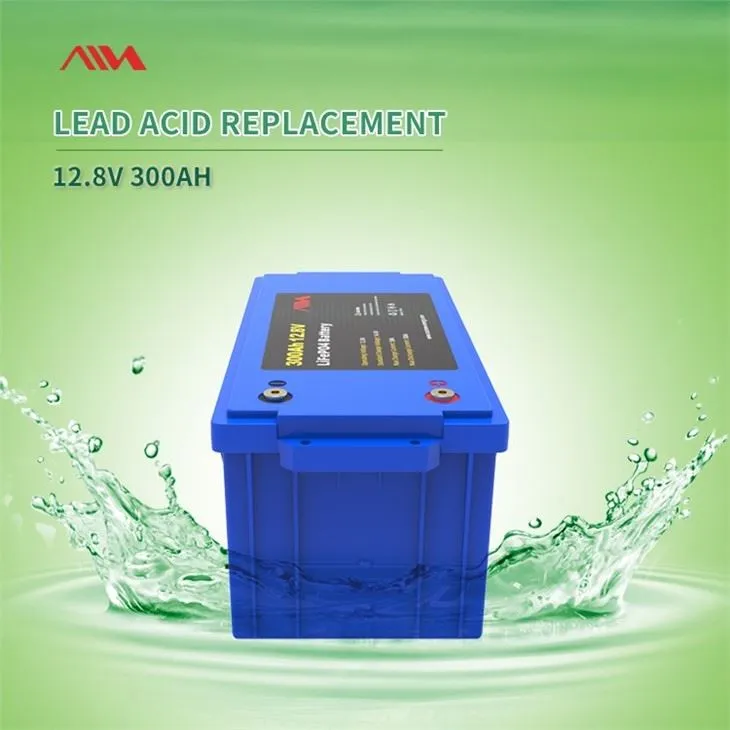
As a supplier of AGM GEL batteries, we also offer a range of lithium - ion batteries that are suitable for various applications. For example, our 12V 300ah Lifepo4 Bms Inside Power System provides high energy density and long cycle life, making it a great alternative for applications that require a lightweight and efficient power source. Our Deep Cycle 12V 200ah Lifepo4 BMS Inside is designed for deep - cycle applications, offering reliable performance over multiple charge - discharge cycles. And our LiFePO4 Battery 12v 24v 36v 48v 50ah 100ah 150ah 200ah 300ah Deep Cycle Lithium Ion Battery 12V provides a wide range of options to meet different power requirements.
Conclusion and Call to Action
In conclusion, AGM GEL batteries are indeed more resistant to vibration than many other types of batteries. Their unique construction and immobilized electrolyte make them well - suited for applications where vibration is a concern. Whether you are in the automotive, marine, or industrial sector, our AGM GEL batteries can provide the reliability and performance you need.
If you are interested in learning more about our AGM GEL batteries or our other battery products, we invite you to contact us for a detailed discussion. Our team of experts is ready to assist you in finding the right battery solution for your specific needs. Let's start a conversation about how we can power your projects with high - quality, vibration - resistant batteries.

References
- Linden, D., & Reddy, T. B. (2002). Handbook of Batteries. McGraw - Hill.
- Berndt, D. (2009). Valve - Regulated Lead - Acid Batteries. Wiley - IEEE Press.