



Are AGM GEL batteries recyclable?
As a supplier of AGM GEL batteries, I often get asked about the recyclability of these power - storage solutions. In this blog, I'll explore the recyclability of AGM GEL batteries, looking at the processes involved, the environmental benefits, and how it compares to other battery types.


What are AGM GEL Batteries?
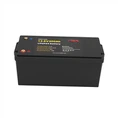
Before delving into their recyclability, it's important to understand what AGM GEL batteries are. AGM (Absorbent Glass Mat) and GEL batteries are both types of valve - regulated lead - acid (VRLA) batteries. In an AGM battery, the electrolyte is absorbed in a fiberglass mat, which provides a high level of shock and vibration resistance. GEL batteries, on the other hand, have their electrolyte suspended in a silica gel, which makes them spill - proof and well - suited for deep - cycle applications. These batteries are commonly used in various industries, including automotive, solar power systems, and backup power supplies.
The Recyclability of AGM GEL Batteries
The good news is that AGM GEL batteries are highly recyclable. In fact, lead - acid batteries, including AGM and GEL types, have one of the highest recycling rates of any consumer product. The main components of these batteries - lead, plastic, and sulfuric acid - can all be recovered and reused in the manufacturing of new batteries.
Recycling Process
- Collection: The first step in the recycling process is the collection of used AGM GEL batteries. Many battery suppliers, including myself, offer battery collection services to ensure that used batteries are properly handled and transported to recycling facilities. Some local waste management programs also accept lead - acid batteries for recycling.
- Battery Breaking: Once at the recycling facility, the batteries are broken apart. Specialized machinery is used to separate the plastic casing from the lead plates and the electrolyte. The plastic can be shredded and melted down to create new plastic products, often for use in battery casings.
- Lead Recovery: The lead plates are then processed to recover the lead. The lead is usually smelted in a furnace at high temperatures. During this process, impurities are removed, and the pure lead is cast into ingots. These ingots can then be used to manufacture new battery plates.
- Electrolyte Treatment: The sulfuric acid electrolyte is also recycled. It can be neutralized and treated to remove any contaminants. The resulting solution can be used in various industrial processes or further refined to produce new sulfuric acid for battery production.
Environmental Benefits of Recycling AGM GEL Batteries
Recycling AGM GEL batteries has significant environmental benefits. Firstly, it reduces the demand for virgin lead. Mining and refining lead from ore is an energy - intensive process that can have a negative impact on the environment, including soil and water pollution. By recycling lead from used batteries, we can conserve natural resources and reduce the environmental footprint of lead production.
Secondly, proper recycling of AGM GEL batteries prevents the release of harmful substances into the environment. Lead is a toxic heavy metal, and if not properly managed, it can contaminate soil, water, and air. Recycling ensures that lead is safely contained and reused, minimizing the risk of environmental and health hazards.
Comparison with Other Battery Types
When compared to other battery types, such as lithium - ion batteries, AGM GEL batteries have an established and well - understood recycling process. Lithium - ion batteries, while also recyclable, present some challenges. The recycling technology for lithium - ion batteries is still evolving, and the process is more complex due to the variety of chemistries and components involved.
For example, if you're considering a lithium - ion alternative for your power needs, you might look at options like the 12v 50ah Lithium Ion Battery Supplier Charger Case Solar Lifepo4 Batteries Golf Trolley Lithium Phosphate Battery or the 12v 150ah Lifepo4 Solar Battery. However, it's important to note that the recycling infrastructure for these batteries is not as widespread as that for AGM GEL batteries at present.
Deep - Cycle Applications and Recycling
AGM GEL batteries are often used in deep - cycle applications, where they are repeatedly discharged and recharged. Deep - cycle batteries, like the Deep Cycle 12V 200ah Lifepo4 BMS Inside, are designed to withstand this type of usage. When these batteries reach the end of their useful life, recycling is crucial to ensure that the valuable materials are recovered.
In deep - cycle systems, such as solar power installations, the proper disposal and recycling of AGM GEL batteries are essential for maintaining the sustainability of the energy system. By recycling these batteries, we can close the loop and create a more circular economy for energy storage.
Encouraging Recycling
As a supplier, I am committed to promoting the recycling of AGM GEL batteries. I educate my customers about the importance of recycling and offer convenient collection options. I also work closely with recycling facilities to ensure that the recycling process is carried out efficiently and in an environmentally responsible manner.
Contact for Procurement and Recycling
If you're in the market for high - quality AGM GEL batteries or have questions about battery recycling, I'd be more than happy to assist you. Whether you need batteries for a small solar project or a large - scale industrial application, I can provide you with the right solutions. Please feel free to reach out to discuss your specific requirements and start a partnership for your power storage needs.
References
- "Battery Recycling: A Global Perspective" by the International Lead Association.
- "Recycling of Lead - Acid Batteries" published by the United States Environmental Protection Agency.
- Industry reports on battery recycling technologies and market trends.