



Are home batteries easy to install? This is a question that many homeowners and potential customers often ask when considering adding a home battery system to their property. As a home battery supplier, I've had the opportunity to work with a wide range of clients, from those looking for a simple backup power solution to others aiming for complete energy independence. In this blog, I'll share my insights on the installation process of home batteries, discussing the factors that influence ease of installation and offering some practical tips.
Understanding Home Batteries
Before delving into the installation process, it's essential to understand what home batteries are and how they work. Home batteries are energy storage devices that store electricity generated from renewable sources like solar panels or from the grid during off - peak hours. They can then supply power to your home during times when the grid is down or when electricity demand is high.
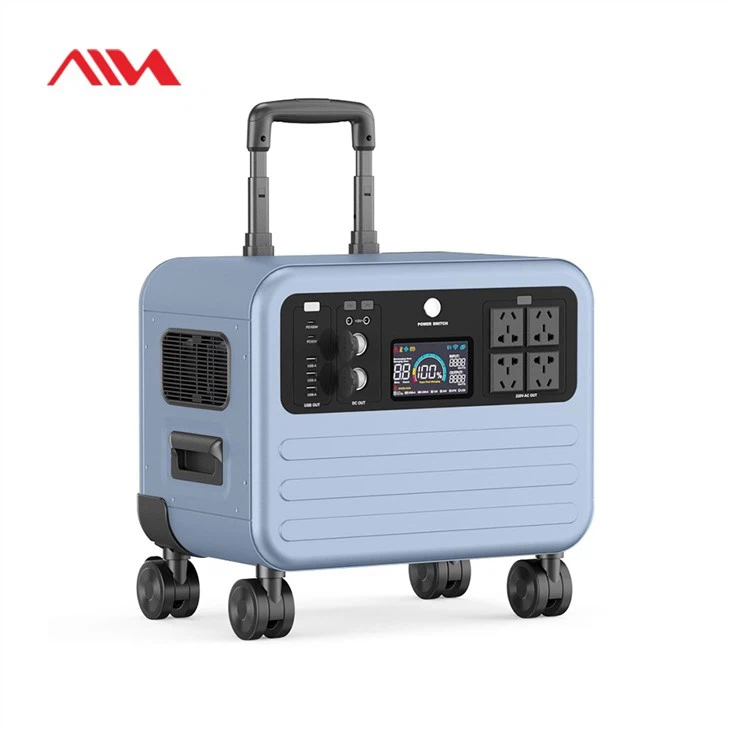

There are different types of home batteries available on the market, including lithium - ion batteries, lead - acid batteries, and flow batteries. Each type has its own characteristics, advantages, and installation requirements. For example, lithium - ion batteries are popular due to their high energy density, long lifespan, and relatively low maintenance. They are commonly used in modern home battery systems.
Factors Affecting Installation Ease
Battery Type and Size
The type and size of the home battery play a significant role in the installation process. Smaller, portable batteries are generally easier to install compared to large, stationary battery banks. Portable batteries, such as the 800W Portable Generator For Outdoor Camping, can be simply plugged into a compatible outlet and are ready to use. They are ideal for small - scale backup power needs, like powering essential appliances during a short - term power outage.
On the other hand, larger home battery systems, such as the Sunnew 2304Wh High Capacity Lithium Iron Battery Accessories Solar Charging 800W Quick Charge Portable Power Station, may require more complex installation. These systems often need to be connected to your home's electrical panel, solar panels (if applicable), and other components. The installation process may involve electrical wiring, mounting the battery unit, and ensuring proper ventilation.
Location and Space
The location where you plan to install the home battery is another crucial factor. You need to choose a suitable location that meets the manufacturer's requirements. For instance, most home batteries need to be installed in a well - ventilated area to prevent overheating. They should also be placed on a stable surface and away from flammable materials.
If you have limited space, it might be challenging to find an appropriate spot for a large battery system. In some cases, you may need to consider custom - designed enclosures or wall - mounted options to make the most of the available space. Additionally, the distance between the battery and the electrical panel or solar panels can affect the complexity of the wiring and installation process.
Electrical System Compatibility
Your home's existing electrical system must be compatible with the home battery. This includes checking the voltage, amperage, and electrical load capacity. If your electrical system is outdated or not designed to handle the additional load of a home battery, you may need to upgrade it. This could involve installing a new electrical panel, circuit breakers, or wiring.
Some home battery systems are designed to be more user - friendly and can be easily integrated with standard electrical systems. For example, the Outdoor 200W 110V 220V Ac Qc3.0 Fast Charge Emergency Multi - Function Portable Lithium Power Station can be used with a variety of electrical setups, making it a more accessible option for many homeowners.
The Installation Process
Pre - installation Preparation
Before starting the installation, it's important to do some pre - installation preparation. This includes obtaining any necessary permits from your local authorities. Permits are typically required for electrical work, especially when connecting the battery to your home's electrical system.
You should also carefully read the manufacturer's installation manual. The manual will provide detailed instructions on how to install the battery safely and correctly. It will also list the tools and materials you'll need for the installation.
Installation Steps
- Mounting the Battery: If the battery is a stationary unit, you'll need to mount it securely. This may involve using brackets or a frame to attach the battery to a wall or a floor. Make sure the mounting surface is strong enough to support the weight of the battery.
- Wiring the Battery: Connect the battery to your home's electrical panel or solar panels using the appropriate wiring. It's crucial to follow the wiring diagram provided in the installation manual. Incorrect wiring can lead to electrical hazards or damage to the battery.
- Testing the System: Once the installation is complete, test the home battery system to ensure it's working properly. This may involve charging the battery, checking the voltage and current levels, and verifying that the battery can supply power to your home.
Tips for a Smooth Installation
- Hire a Professional: If you're not experienced with electrical work, it's highly recommended to hire a licensed electrician or a professional installer. They have the knowledge and skills to install the home battery safely and efficiently.
- Plan Ahead: Consider all the factors mentioned above, such as battery type, location, and electrical compatibility, before purchasing a home battery. This will help you avoid any unexpected issues during the installation process.
- Follow Safety Precautions: Always wear appropriate safety gear, such as gloves and safety glasses, during the installation. Turn off the power supply to your home's electrical panel before working on the wiring.
Conclusion
In conclusion, the ease of installing a home battery depends on several factors, including the battery type and size, location, and electrical system compatibility. While smaller, portable batteries are generally easier to install, larger systems may require more time and expertise. By understanding these factors and following the proper installation procedures, you can ensure a successful installation of your home battery system.
If you're interested in purchasing a home battery or have any questions about the installation process, we're here to help. Our team of experts can provide you with detailed information and guidance to help you make the right choice for your home. Contact us to start a procurement discussion and take the first step towards a more reliable and sustainable energy future.
References
- "Home Battery Installation Guide" - Industry - standard installation manual for home batteries.
- "Electrical Safety Standards" - National electrical code regulations for home electrical systems.