


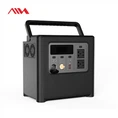

Hey there, security system enthusiasts and industry pros! I'm a supplier of 48V batteries, and I often get asked if a 48V battery can be used in a security system. Well, let's dig into this topic and find out if it's a good fit.
First off, let's talk about what a security system needs from a battery. Security systems are crucial for protecting homes, businesses, and other valuable assets. They need a reliable power source to keep running, especially during power outages. A good battery for a security system should have enough capacity to power the system for a decent amount of time, be durable, and be able to recharge quickly.
So, can a 48V battery meet these requirements? The answer is yes, but it depends on a few factors.
Voltage Compatibility
The first thing to consider is whether your security system can handle a 48V battery. Most security systems are designed to work with 12V or 24V batteries. However, some larger or more advanced systems can be configured to use a 48V battery. You'll need to check the specifications of your security system to see if it can accept a 48V power source. If it can't, you might need to use a voltage converter to step down the 48V to a compatible voltage.
Capacity and Runtime
The capacity of a battery is measured in amp - hours (Ah). A higher Ah rating means the battery can store more energy and power your security system for a longer time. For a security system, you'll want a battery with enough capacity to keep the system running until the power is restored or until you can take other measures.
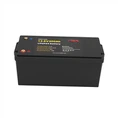
For example, our 48V 100ah Lifepo4 Bms Inside Battery has a decent capacity. If your security system has relatively low power consumption, this battery could provide several hours of backup power. And if you need even more runtime, we also offer the Deep Cycle 200ah 48v Lithium Iron Phosphate Rechargeable Lifepo4 Lithium Battery Pack, which has twice the capacity and can power your system for a longer period.
Battery Chemistry
There are different types of battery chemistries available for 48V batteries, such as lead - acid, lithium - ion, and lithium iron phosphate (LiFePO4).
Lead - acid batteries are the traditional choice. They're relatively inexpensive but have some drawbacks. They're heavy, have a shorter lifespan, and require regular maintenance. They also don't perform well in extreme temperatures.
Lithium - ion batteries, on the other hand, are lighter, have a longer lifespan, and can charge faster. They're also more efficient and can handle a greater number of charge - discharge cycles. Our Rechargeable Smart BMS Bluetooth Lithium Ion Battery 48v 100ah Lithium Battery Lifepo4 Battery is a great example. It comes with a built - in Battery Management System (BMS) that helps protect the battery from overcharging, over - discharging, and short - circuits.


LiFePO4 batteries are a type of lithium - ion battery that offers even more advantages. They're extremely safe, have a long cycle life, and can operate in a wide range of temperatures. They're also more environmentally friendly compared to lead - acid batteries.
Cost Considerations
The cost of a 48V battery can vary depending on its capacity, chemistry, and features. Lithium - ion and LiFePO4 batteries are generally more expensive than lead - acid batteries upfront. However, when you consider their longer lifespan, lower maintenance requirements, and better performance, they can be a more cost - effective option in the long run.
Installation and Safety
Installing a 48V battery in a security system requires some technical knowledge. You need to make sure the connections are correct and that the battery is properly secured. Safety is also a big concern. 48V is a relatively high voltage, so you need to follow all safety precautions during installation and use.
If you're not comfortable installing the battery yourself, it's a good idea to hire a professional electrician or a security system installer. They can ensure that the installation is done correctly and safely.
Advantages of Using a 48V Battery in a Security System
- Higher Power Delivery: A 48V battery can deliver more power compared to a 12V or 24V battery. This can be beneficial for larger security systems that have multiple cameras, sensors, and other components.
- Reduced Cable Loss: When transmitting power over a distance, higher voltage results in lower cable losses. This means that you can use thinner cables, which can save on installation costs.
- Scalability: If you plan to expand your security system in the future, a 48V battery can be more easily scaled up to meet the increased power requirements.
Disadvantages of Using a 48V Battery in a Security System
- Higher Initial Cost: As mentioned earlier, 48V batteries, especially lithium - ion and LiFePO4 ones, can be more expensive upfront.
- Compatibility Issues: Not all security systems are designed to work with 48V batteries, so you might need to make some modifications or use additional equipment.
- Safety Concerns: Working with 48V requires more caution due to the higher voltage.
In conclusion, a 48V battery can be a great option for a security system if it's compatible with your system, and you're willing to invest in the right battery and take the necessary safety precautions. If you're interested in learning more about our 48V batteries or have questions about using them in your security system, feel free to reach out to us. We're here to help you make the best choice for your security needs. Let's start a conversation about how our 48V batteries can power your security system effectively and reliably.
References
- Battery University: A great resource for understanding battery chemistries and their applications.
- Security System Manufacturer Manuals: These provide detailed information about the power requirements and compatibility of different security systems.