


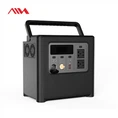
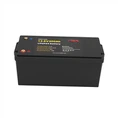

Can a cabinet battery be used with a generator? This is a question that many individuals and businesses in the energy storage and backup power realm often ponder. As a supplier of high - quality cabinet batteries, I'm here to dive deep into this topic, provide you with science - backed insights, and help you understand the compatibility and benefits of using a cabinet battery in conjunction with a generator.
Understanding Cabinet Batteries and Generators
Before we delve into their compatibility, let's first clarify what cabinet batteries and generators are. Cabinet batteries, such as the Solar Battery 48v 150ah High Quality Deep Cycle Lithium Ion Batteries Lifepo4 Battery Pack, are designed to store electrical energy. They are equipped with advanced battery management systems (BMS) to ensure safe and efficient charging and discharging. These batteries are commonly used in applications where a reliable source of stored energy is necessary, for example, in solar power systems to store excess energy produced during the day for use at night.
On the other hand, generators are devices that convert mechanical energy into electrical energy. There are different types of generators, including diesel, gasoline, and natural - gas generators. Generators are often used as a backup power source when the main grid power fails. Their ability to produce large amounts of electricity on - demand makes them suitable for powering a wide range of appliances and equipment during outages.
Compatibility Factors
When considering using a cabinet battery with a generator, several key compatibility factors need to be taken into account.
Voltage and Capacity Matching
The voltage of the cabinet battery and the output voltage of the generator must be compatible. For instance, if you have a 48V 75Ah Battery 3U Backup 19 Inch Rack, the generator should be able to supply a stable 48V output. Matching the capacity is also crucial. If the battery capacity is too large for the generator, the generator may struggle to charge the battery efficiently. Conversely, if the battery capacity is much smaller than what the generator can handle, it could lead to over - charging, which can damage the battery.


Charging Rate
The charging rate of the cabinet battery is another significant factor. The generator should be able to provide a charging current that is within the recommended range of the battery. A BMS in the cabinet battery helps regulate the charging process, but if the generator supplies an excessively high current, it can still pose risks to the battery's longevity and safety.
Frequency Compatibility
In most electrical systems, maintaining a stable frequency (usually 50Hz or 60Hz) is essential. The generator should produce electrical power at the correct frequency that the cabinet battery and the connected loads can handle. Any significant deviation from the standard frequency can cause malfunctions in the battery management system and other electrical components.
Benefits of Using a Cabinet Battery with a Generator
Energy Efficiency
Combining a cabinet battery with a generator can significantly improve energy efficiency. During periods of low energy demand, the generator can charge the cabinet battery. Then, when the energy demand spikes, the stored energy in the battery can be used, reducing the need to operate the generator at high - load levels continuously. This also helps to optimize the fuel consumption of the generator, saving on operational costs.
Load Management
A cabinet battery can act as a buffer between the generator and the connected loads. It can absorb sudden changes in the load, preventing the generator from experiencing rapid load fluctuations. This helps to extend the lifespan of the generator, as it does not have to constantly adjust to varying power demands. For example, large motors in industrial settings can cause significant load surges when starting up. The cabinet battery can supply the initial power required, allowing the generator to operate more smoothly.
Uninterrupted Power Supply
In areas with unreliable power grids or during planned power outages, a combination of a cabinet battery and a generator can provide an almost seamless uninterrupted power supply. When the grid power fails, the cabinet battery can immediately provide power to critical loads while the generator starts up. Once the generator is running, it can either directly power the loads or recharge the battery for future use.
Practical Considerations for Installation and Operation
Installation Location
Both the cabinet battery and the generator need to be installed in suitable locations. The cabinet battery should be placed in a well - ventilated area with a stable temperature, as extreme temperatures can affect its performance. The generator, on the other hand, should be installed outdoors or in a well - ventilated enclosure to prevent the buildup of exhaust gases. Additionally, the distance between the battery and the generator should be carefully considered to minimize power losses during charging and discharging.
Maintenance
Regular maintenance is crucial for both the cabinet battery and the generator. For the battery, this includes checking the temperature, voltage, and state of charge regularly. The BMS can provide valuable information about the battery's health. For the generator, routine maintenance such as oil changes, air filter replacements, and spark plug inspections is necessary to ensure its reliable operation.
System Control
Implementing a proper system control mechanism is essential when using a cabinet battery with a generator. This can be achieved through a sophisticated energy management system that monitors the power levels of the battery, the generator output, and the connected loads. The system can automatically switch between the battery and the generator based on the load demand and the state of charge of the battery.
Real - World Applications
The combination of cabinet batteries and generators has numerous real - world applications. In remote areas where grid connection is difficult or unreliable, such as off - grid telecommunications towers, a Stacked Solar Energy Storage Battery 48v 100ah Server Rack Battery 5kwh Cabinet Energy Storage Lifepo4 Battery can be used in conjunction with a diesel generator. During the day, the solar panels charge the battery, and at night or during periods of low sunlight, the generator can charge the battery and power the tower.
In industrial settings, where power outages can cause significant production losses, the combination provides a reliable backup power solution. Battery energy storage can also help industries meet peak demand without overloading the grid - connected power supply, which can result in cost savings and a more stable power supply.
Conclusion
In summary, a cabinet battery can indeed be used with a generator, and the combination offers various benefits in terms of energy efficiency, load management, and providing an uninterrupted power supply. However, it is essential to ensure voltage and capacity matching, consider the charging rate and frequency compatibility, and pay attention to installation, maintenance, and system control.
If you are interested in learning more about how our cabinet batteries can be integrated with your generator systems or are looking to make a purchase, we encourage you to reach out to our team for a detailed discussion. We can provide you with customized solutions based on your specific energy storage and backup power requirements.
References
- "Battery Energy Storage Systems: Design and Analysis". McGraw - Hill Education.
- "Generator Handbook: Selection, Application, and Installation". The Fairmont Press.
- Industry whitepapers on energy storage and backup power systems.