



Camping in high - altitude areas offers a unique and breathtaking experience. The crisp air, stunning vistas, and untouched natural beauty draw adventure - seekers from all over the world. As a camping system supplier, I often get asked whether our camping systems can be used in high - altitude areas. In this blog, I'll delve into the various aspects of using a camping system at high altitudes, considering factors such as equipment performance, safety, and environmental impact.
Challenges of High - Altitude Camping
High - altitude areas present a set of challenges that are quite different from low - altitude camping. The most obvious one is the thin air. As altitude increases, the air pressure drops, and the oxygen content decreases. This can affect both the campers' health and the performance of camping equipment. For instance, combustion - based equipment like stoves and generators may not function as efficiently due to the lack of oxygen.
Another challenge is the extreme weather conditions. High - altitude areas are prone to sudden and drastic weather changes. Temperatures can drop significantly at night, and strong winds, snow, and hail are common occurrences. These conditions require camping equipment that can withstand harsh elements and provide adequate protection and warmth.
Performance of Camping Systems at High Altitudes
Let's first look at the performance of our camping systems' key components in high - altitude environments.
Tents
Tents are a crucial part of any camping system. At high altitudes, a tent needs to be sturdy enough to withstand strong winds and heavy snow loads. Our tents are designed with high - quality, durable materials. The poles are made of lightweight yet strong aluminum alloys that can resist bending and breaking under pressure. The tent fabric is waterproof, windproof, and breathable, which helps to keep campers dry and comfortable in various weather conditions.
The design of our tents also takes into account the need for proper ventilation. In high - altitude areas, condensation can be a problem inside the tent due to the large temperature difference between the inside and outside. Our tents have multiple ventilation points to allow moisture to escape, preventing the buildup of condensation and mold.


Sleeping Bags
Sleeping bags are essential for staying warm at night in high - altitude areas. Our sleeping bags are rated for low temperatures, with some models suitable for temperatures as low as - 20°C. They are filled with high - quality down or synthetic insulation materials that provide excellent heat retention. The shape of our sleeping bags is designed to fit the human body closely, reducing the amount of cold air that can enter and minimizing heat loss.
Stoves and Generators
As mentioned earlier, the thin air at high altitudes can affect the performance of combustion - based equipment. Our stoves are equipped with special burners that are designed to operate efficiently in low - oxygen environments. They have adjustable air vents that allow users to optimize the air - fuel mixture for better combustion.
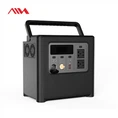
When it comes to generators, we offer a range of portable generators suitable for outdoor camping, including the 600W Portable Generator For Outdoor Camping, 500W Portable Generator For Outdoor Camping, and 700W Portable Generator For Outdoor Camping. These generators are engineered to adapt to different altitudes. They have advanced fuel injection systems and oxygen sensors that adjust the fuel - air ratio automatically, ensuring stable power output even in high - altitude areas.
Safety Considerations
Safety is of utmost importance when camping in high - altitude areas. Our camping systems are designed with several safety features.
Altitude Sickness
Altitude sickness is a common concern for campers at high altitudes. While our camping systems cannot prevent altitude sickness, they can contribute to a more comfortable and safe camping experience, which may help to reduce the risk. For example, a well - ventilated tent and a warm sleeping bag can improve the overall well - being of campers, making it easier for their bodies to adapt to the high - altitude environment.
Fire Safety
When using stoves and generators, fire safety is crucial. Our stoves are equipped with safety valves that prevent gas leaks and ensure proper ignition. The generators have built - in over - heat and over - load protection systems to prevent fires and damage to the equipment.
Environmental Impact
Camping in high - altitude areas also requires us to be mindful of the environmental impact. Our camping systems are designed with sustainability in mind.
Sustainable Materials
We use eco - friendly materials in the production of our camping equipment. The tent fabric is made from recycled materials, and the sleeping bag insulation is either recycled synthetic fibers or ethically sourced down. This helps to reduce the environmental footprint of our products.
Energy Efficiency
Our generators are designed to be energy - efficient, consuming less fuel while providing sufficient power. This not only saves costs for campers but also reduces the amount of carbon emissions and environmental pollution.
Conclusion
In conclusion, our camping systems can indeed be used in high - altitude areas. Our products are designed and engineered to meet the unique challenges of high - altitude environments, providing campers with reliable performance, safety, and comfort. Whether you are an experienced mountaineer or a novice camper looking for an adventure in the mountains, our camping systems are a great choice.
If you are interested in our camping systems and want to learn more about how they can meet your high - altitude camping needs, please feel free to contact us for procurement and further discussions. We are committed to providing the best camping solutions for your outdoor adventures.
References
- "High - Altitude Camping Guide" by Outdoor Adventure Magazine
- "Camping Equipment: Performance in Extreme Environments" by the Journal of Outdoor Equipment Research