



Hey there! As a supplier of powerwall batteries, I often get asked all sorts of questions about where these batteries can be used. One question that popped up recently was, "Can a Powerwall battery be used in a museum?" Well, let's dig into this topic and find out.
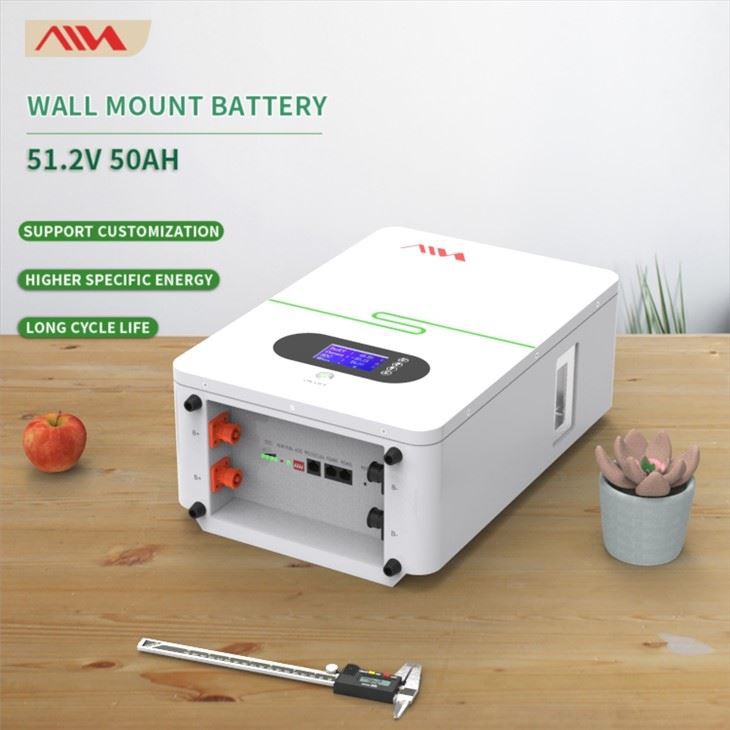
First off, let's talk about what a Powerwall battery is. Powerwall batteries are energy storage systems that can store electricity generated from renewable sources like solar panels or take in electricity from the grid during off - peak hours when it's cheaper. They're designed to provide power when needed, whether it's during a power outage or when the demand for electricity is high.

Now, museums have some unique requirements. They house valuable artifacts, artworks, and historical items that need to be preserved in a stable environment. Temperature and humidity control are crucial. Museums also need to keep their lighting, security systems, and climate - control equipment running 24/7. So, can a Powerwall battery fit the bill?
Advantages of Using a Powerwall Battery in a Museum
Backup Power
Power outages can be a nightmare for museums. Even a short interruption in power can cause damage to sensitive equipment and put valuable exhibits at risk. A Powerwall battery can act as a reliable backup power source. When the main power goes out, the battery can kick in immediately, ensuring that the critical systems like climate control, security cameras, and lighting stay operational. This helps maintain the proper environment for the artifacts and keeps them safe.
Energy Management
Museums usually have high energy consumption, especially when it comes to lighting and climate control. Powerwall batteries can help manage this energy consumption more efficiently. For example, they can store excess electricity generated during the day from solar panels (if the museum has them) and use it at night when the grid electricity might be more expensive. This not only saves money but also reduces the museum's carbon footprint.
Grid Independence
By using a Powerwall battery, museums can become less reliant on the grid. This is especially important in areas where the grid is unreliable or where there are frequent power shortages. With a Powerwall battery, museums can have more control over their power supply and ensure the continuous operation of their facilities.
Considerations for Using a Powerwall Battery in a Museum
Capacity
The size and capacity of the Powerwall battery need to be carefully considered. Museums vary in size and energy requirements. A small local museum might not need a large - capacity battery, while a large national museum with extensive exhibits and high - tech equipment will require a much bigger battery. You need to calculate the total power consumption of the museum's critical systems and choose a battery with an appropriate capacity. For example, if you're looking for a high - capacity option, the Sunnew 10kwh Lifepo4 Battery 48V 200ah Power Energy Wall For Home Energy Storage System could be a great choice. It offers a significant amount of stored energy, which can be useful for larger museums.
Installation
The installation of a Powerwall battery in a museum also needs to be planned carefully. Museums often have strict architectural and historical preservation guidelines. The battery should be installed in a location that doesn't interfere with the museum's aesthetics or damage any historical structures. It also needs to be installed in a well - ventilated area to ensure proper cooling and safety.
Maintenance
Like any other piece of equipment, Powerwall batteries require regular maintenance. This includes checking the battery's charge level, monitoring its performance, and ensuring that all the components are in good working condition. Museums need to have a maintenance plan in place to keep the battery functioning properly.
Different Types of Powerwall Batteries Suitable for Museums
Lithium - Ion Batteries
Lithium - ion batteries are a popular choice for Powerwall systems. They have a high energy density, which means they can store a large amount of energy in a relatively small space. They also have a long lifespan and can be charged and discharged many times without significant degradation. The Lithium Ion Battery 51.2V 100ah 5kwh Power Wall For Home Solar System is an example of a lithium - ion battery that could be suitable for smaller museums or as a supplementary power source for larger ones.
LiFePO4 Batteries
LiFePO4 (Lithium Iron Phosphate) batteries are another option. They're known for their safety, long cycle life, and stability. They can operate in a wide range of temperatures, which is important for museums that need to maintain a stable environment. The Solar Battery Powerwall 2.56Kwh Lifepo4 Pack is a LiFePO4 battery that can be a good fit for museums with moderate energy requirements.
Real - World Examples
There are already some museums that have successfully implemented Powerwall batteries. For instance, a small art museum in a rural area installed a Powerwall battery to ensure that their climate - control system would keep running during power outages. This not only protected their valuable art collection but also saved them from potential losses due to damage. In another case, a large history museum used a Powerwall battery in combination with solar panels to reduce its energy costs and become more environmentally friendly.
Conclusion
So, to answer the question, yes, a Powerwall battery can definitely be used in a museum. It offers many advantages in terms of backup power, energy management, and grid independence. However, careful consideration needs to be given to factors like capacity, installation, and maintenance.
If you're a museum administrator or someone involved in the management of a museum and you're interested in learning more about how a Powerwall battery can benefit your institution, I'd love to have a chat with you. We can discuss your specific energy requirements and find the right battery solution for your museum. Whether it's a small - scale battery for a local museum or a large - capacity system for a major national museum, we've got the expertise and the products to meet your needs. Get in touch and let's start the conversation about powering your museum more efficiently and sustainably.
References
- "Energy Management in Museums: Best Practices" - Journal of Museum Management and Curatorship
- "Battery Technology for Energy Storage" - IEEE Transactions on Energy Storage