


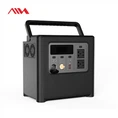
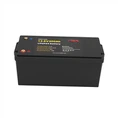

As a supplier of powerwall batteries, I've often been asked about the diverse applications of our products. One rather unique question that has come up is whether a powerwall battery can be used in a prison. In this blog post, I'll explore the feasibility, benefits, and challenges of using powerwall batteries in prison settings.
Feasibility of Using Powerwall Batteries in Prisons
Power Requirements
Prisons have significant power demands. They need to maintain lighting, security systems, heating, ventilation, and air - conditioning (HVAC), as well as power various equipment used for inmate management and rehabilitation. Powerwall batteries can be configured to meet these requirements. For example, our Sunnew Powerwall Home Battery 5Kw 10Kw 20Kwh 48V Lithium Lron Phosphate Battery Pack For Solar Power System comes in different capacities, allowing prisons to choose the appropriate setup based on their specific power needs.
Integration with Existing Systems
Most modern prisons already have some form of electrical infrastructure. Powerwall batteries can be integrated with the existing power grid and backup generators. They can store excess energy during off - peak hours when electricity is cheaper and release it during peak demand periods, reducing the overall cost of electricity for the prison. Additionally, in case of a power outage, powerwall batteries can provide immediate backup power, ensuring the continuous operation of critical systems such as security cameras and locks.


Safety and Durability
Prisons are high - security environments, and safety is of utmost importance. Our powerwall batteries, such as the Sunnew Power Wall 48v Lifepo4 Lithium Ion Battery 150Ah Solar Energy Storage Powerwall Battery, are designed with multiple safety features. Lithium - iron - phosphate (LiFePO4) batteries, which are used in many of our products, are known for their stability and low risk of thermal runaway. They are also built to be durable, with robust enclosures that can withstand harsh conditions and potential physical impacts.
Benefits of Using Powerwall Batteries in Prisons
Cost Savings
One of the most significant benefits of using powerwall batteries in prisons is cost savings. By storing energy during off - peak hours and using it during peak demand, prisons can reduce their reliance on the grid during high - cost periods. This can lead to substantial savings on electricity bills over time. Moreover, as the cost of renewable energy sources like solar power continues to decline, prisons can pair powerwall batteries with solar panels to further reduce their energy costs. Our 51.2V 150AH Lithium Battery For Solar ESS is an excellent option for solar energy storage, allowing prisons to make the most of their solar installations.
Environmental Sustainability
Prisons, like any large - scale institution, have a responsibility to reduce their environmental impact. Powerwall batteries can play a crucial role in this effort. By integrating with renewable energy sources, prisons can reduce their carbon footprint and contribute to a more sustainable future. Using clean energy can also enhance the prison's public image and demonstrate its commitment to environmental stewardship.
Enhanced Security
In a prison setting, security is non - negotiable. Powerwall batteries provide a reliable source of backup power, ensuring that security systems remain operational during power outages. This is especially important for maintaining the integrity of prison perimeters, surveillance cameras, and inmate monitoring systems. With a powerwall battery backup, prisons can minimize the risk of security breaches caused by power disruptions.
Challenges of Using Powerwall Batteries in Prisons
Initial Investment
The upfront cost of installing powerwall batteries can be a significant barrier for prisons. However, it's important to consider the long - term cost savings and benefits. Prisons can explore financing options, such as grants or partnerships with energy companies, to offset the initial investment. Additionally, as the technology matures and economies of scale come into play, the cost of powerwall batteries is expected to continue to decline.
Maintenance and Monitoring
Powerwall batteries require regular maintenance and monitoring to ensure optimal performance. Prisons need to have trained personnel or contract with a professional service provider to handle these tasks. This includes checking battery health, monitoring charge and discharge cycles, and performing any necessary repairs or replacements. However, with proper planning and management, these challenges can be effectively addressed.
Security Risks
While powerwall batteries are designed with safety features, there is still a potential security risk in a prison environment. Inmates may attempt to tamper with the batteries, either out of curiosity or with malicious intent. Prisons need to implement strict security measures to prevent unauthorized access to the battery systems. This can include installing the batteries in secure areas, using surveillance cameras, and implementing access control systems.
Conclusion
In conclusion, powerwall batteries can be a viable option for prisons. They offer numerous benefits, including cost savings, environmental sustainability, and enhanced security. While there are challenges to overcome, such as the initial investment, maintenance, and security risks, these can be managed with proper planning and implementation.
If you're a prison administrator or part of an organization responsible for prison facilities and are interested in exploring the use of powerwall batteries, I encourage you to contact us. We have a team of experts who can provide you with detailed information, customized solutions, and support throughout the installation and operation process. Let's work together to make your prison more energy - efficient, sustainable, and secure.
References
- "Energy Storage for Prisons: A Feasibility Study", Journal of Energy Management in Prisons, 2022
- "Lithium - Ion Batteries: Safety and Performance", Battery Technology Review, 2023
- "Renewable Energy Integration in Correctional Facilities", National Institute of Corrections, 2021