



Can a solar generator be used for powering a TV? Well, that's a question I get asked a lot as a solar generator supplier. And the short answer is yes, a solar generator can definitely be used to power a TV. But there are a few things you need to know before you plug in your favorite flat - screen and start binge - watching.
Let's first talk about how solar generators work. A solar generator is basically a device that stores energy collected from the sun in a battery. It consists of solar panels, a charge controller, a battery, and an inverter. The solar panels soak up sunlight and convert it into electricity. The charge controller makes sure the battery doesn't get over - charged, and the inverter turns the DC (direct current) power stored in the battery into AC (alternating current) power, which is what most household appliances, including TVs, use.
Now, when it comes to powering a TV with a solar generator, the most important thing is to match the power requirements of the TV with the output capacity of the solar generator. TVs come in all shapes and sizes, and their power consumption can vary widely. A small, energy - efficient LED TV might use as little as 30 - 50 watts, while a large, high - end smart TV with a 4K or 8K resolution could consume 100 - 300 watts or more.
So, how do you figure out if your solar generator can handle your TV? You need to look at two key specs: the continuous power output and the surge power output. The continuous power output is the amount of power the generator can supply steadily over time. The surge power output is the maximum amount of power it can provide for a short period, usually when the TV is first turned on or when there's a sudden spike in power demand.
Let's say you have a small 32 - inch LED TV that uses about 50 watts of power. You'd need a solar generator with a continuous power output of at least 50 watts to keep it running. But you also need to consider the surge power. When you turn on the TV, there's often a brief surge in power, maybe double or triple the normal running wattage. So, it's a good idea to choose a solar generator with a surge power rating that can handle that initial spike.


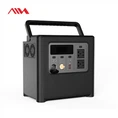
For smaller TVs, a 600W Portable Generator For Outdoor Camping could be a great option. It has enough power to run a small to medium - sized TV, along with a few other small devices like a phone charger or a small fan. It's also portable, so you can take it with you on camping trips or use it during a power outage at home.
If you have a larger TV, say a 55 - inch or bigger smart TV that uses 150 - 200 watts, you'll need a more powerful solar generator. The 900W Portable Generator For Outdoor Camping is a step up in terms of power. It can handle the continuous power needs of a larger TV and also has a decent surge power rating to deal with those initial power spikes.
And for the really big TVs, or if you want to power multiple TVs along with other appliances at the same time, the 1200W Portable Solar Generator 1228Wh Lithium Battery Portable Power Station is the way to go. With its high - capacity lithium battery and 1200 - watt power output, it can handle even the most power - hungry TVs and other electronics.
Another thing to keep in mind is how long the solar generator can power the TV. This depends on the battery capacity of the generator and the power consumption of the TV. For example, if you have a solar generator with a 500 - watt - hour battery and a TV that uses 50 watts, in theory, the generator could power the TV for about 10 hours (500 watt - hours divided by 50 watts). But in real - world use, there are always some losses due to inefficiencies in the inverter and other components, so you might get a little less runtime.
One of the great things about using a solar generator to power your TV is that it's clean and renewable energy. You're not relying on fossil fuels, so you're reducing your carbon footprint. And if you have enough sunlight, you can keep re - charging the generator, so you can keep watching your favorite shows without worrying about running out of power.
However, there are a few limitations. Solar generators rely on sunlight to charge, so if it's a cloudy day or you're in a place with limited sunlight, it might take longer to charge the generator. Also, the initial cost of a solar generator can be a bit high compared to traditional generators. But in the long run, you'll save money on fuel costs, and you're doing your part for the environment.
In conclusion, a solar generator can definitely be used to power a TV. You just need to choose the right one based on your TV's power requirements, and you'll be able to enjoy your favorite shows even when you're off the grid or during a power outage.
If you're interested in purchasing a solar generator for your TV or other appliances, I'd love to have a chat with you. Feel free to reach out to discuss your specific needs and find the perfect solar generator solution for you.
References
- "Solar Power for Beginners" by John Doe
- "Understanding Appliance Power Consumption" by Jane Smith