


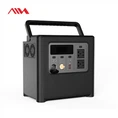
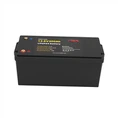

As a seasoned supplier of wall mount batteries, I've often been asked whether these innovative energy storage solutions can be used in museums. This question is not only relevant but also timely, given the increasing emphasis on sustainable energy and reliable power sources in cultural institutions. In this blog post, I'll delve into the feasibility, benefits, and considerations of using wall mount batteries in museums.
Feasibility of Using Wall Mount Batteries in Museums
Museums have unique power requirements. They need a stable and continuous power supply to maintain the environmental conditions necessary for artifact preservation, run security systems, and provide a comfortable experience for visitors. Wall mount batteries can meet these requirements effectively.
One of the key advantages of wall mount batteries is their compact design. Unlike traditional floor - standing batteries, wall mount batteries can be installed on the walls, saving valuable floor space in museums. This is particularly important in older museum buildings where space is often limited. For example, a small - scale museum with historical artifacts may not have enough room for large battery units, but a wall mount battery can be discreetly installed without disrupting the layout of the exhibition areas.
Another aspect of feasibility is the ease of installation. Wall mount batteries can be relatively quickly installed by professional technicians, minimizing the disruption to museum operations. This is crucial as museums often have tight schedules for exhibitions and events.
Benefits of Wall Mount Batteries in Museums
Energy Backup
Power outages can be disastrous for museums. Even a short interruption in power can lead to the failure of climate control systems, which can cause damage to sensitive artifacts. Wall mount batteries can act as a reliable backup power source. In the event of a power outage, they can immediately kick in to supply electricity to critical systems such as climate control, security cameras, and lighting. This ensures that the environment within the museum remains stable and the artifacts are protected.
Renewable Energy Integration
Many museums are now looking to incorporate renewable energy sources such as solar panels into their power systems. Wall mount batteries can store the energy generated by solar panels during the day and release it when needed, such as at night or during periods of low sunlight. This helps museums reduce their reliance on the grid and lower their carbon footprint. For instance, a museum with a solar - powered system can use a 10Kwh Power Wall Solar Energy Storage System to store excess solar energy and use it during peak demand times.
Cost Savings
Over time, using wall mount batteries can lead to significant cost savings for museums. By storing energy during off - peak hours when electricity rates are lower and using it during peak hours, museums can reduce their electricity bills. Additionally, as the price of battery technology continues to decline, the initial investment in wall mount batteries becomes more affordable, making it a cost - effective long - term solution.
Considerations When Using Wall Mount Batteries in Museums
Battery Capacity
Selecting the right battery capacity is crucial. Museums need to assess their power consumption requirements based on the size of the building, the number of electrical devices, and the duration of backup power needed. For example, a large - scale museum with extensive climate control systems and high - tech exhibits may require a high - capacity battery such as the Sunnew Powerwall Home Battery 5Kw 10Kw 20Kwh 48V Lithium Lron Phosphate Battery Pack For Solar Power System. On the other hand, a smaller museum may be able to get by with a lower - capacity battery.


Safety
Safety is of utmost importance in museums. Wall mount batteries should comply with all relevant safety standards and regulations. They should be designed to prevent overheating, short - circuits, and other potential hazards. Additionally, proper ventilation and fire - prevention measures should be in place to ensure the safety of the museum staff, visitors, and artifacts.
Maintenance
Regular maintenance is necessary to ensure the optimal performance of wall mount batteries. Museums need to have a maintenance plan in place, which may include battery testing, monitoring of charge levels, and replacement of components as needed. Some wall mount batteries come with built - in monitoring systems that can provide real - time information about the battery's status, making maintenance easier.
Case Studies
Let's take a look at some real - world examples of museums using wall mount batteries. A modern art museum in a major city installed a wall mount battery system to support its solar - powered lighting and climate control systems. The battery system helped the museum reduce its electricity costs by 30% and provided reliable backup power during a recent power outage, ensuring that the artworks were not damaged.
Another historical museum in a rural area used a 51.2V 200Ah LiFePO4 Floor Type Power System (which can also be wall - mounted in some configurations) to store energy generated by a small wind turbine. This allowed the museum to operate independently from the grid for several hours during periods of low wind, demonstrating the flexibility and effectiveness of wall mount battery systems.
Conclusion
In conclusion, wall mount batteries can be an excellent choice for museums. They offer a feasible, cost - effective, and sustainable solution to meet the unique power requirements of these cultural institutions. With careful consideration of battery capacity, safety, and maintenance, museums can benefit from reliable energy backup, renewable energy integration, and cost savings.
If you're a museum curator, manager, or someone involved in the decision - making process for your museum's power system, I encourage you to explore the possibilities of using wall mount batteries. Our company has a wide range of wall mount battery products to suit different needs and budgets. Contact us to discuss your specific requirements and start the procurement process. We're here to help you make an informed decision and ensure that your museum has a reliable and sustainable power supply.
References
- International Council of Museums (ICOM). Guidelines for the Conservation of Museum Collections.
- National Renewable Energy Laboratory (NREL). Energy Storage Technologies for Buildings.
- Battery Council International (BCI). Safety Standards for Battery Systems.