


As a long - standing supplier of AGM GEL batteries, I've faced numerous inquiries from customers about various aspects of these batteries, and one question that frequently pops up is: "Can an AGM GEL battery be connected in series?" In this blog, I'll delve into this topic, providing a comprehensive answer based on scientific knowledge and practical experience.
Understanding AGM GEL Batteries
Before we discuss series connections, it's essential to understand what AGM GEL batteries are. AGM (Absorbent Glass Mat) and GEL batteries are both types of valve - regulated lead - acid (VRLA) batteries. The AGM design uses a fiberglass mat to hold the electrolyte, while GEL batteries use a silica gel to immobilize the electrolyte. These batteries are known for their maintenance - free operation, spill - proof design, and deep - cycle capabilities, making them popular in applications such as solar power systems, UPS (Uninterruptible Power Supply), and recreational vehicles.
The Basics of Series Connections
Connecting batteries in series involves connecting the positive terminal of one battery to the negative terminal of another. When batteries are connected in series, the voltages of the individual batteries add up, while the amp - hour (Ah) rating remains the same. For example, if you connect two 12V, 100Ah AGM GEL batteries in series, you'll get a combined voltage of 24V, but the Ah rating will still be 100Ah.

Can AGM GEL Batteries Be Connected in Series?
The short answer is yes, AGM GEL batteries can be connected in series. However, there are several important considerations to ensure a safe and efficient operation:
Battery Matching
It's crucial to use batteries of the same type, brand, model, and age when connecting them in series. Batteries that are not well - matched may have different internal resistances, self - discharge rates, and capacities. This can lead to uneven charging and discharging, which may reduce the overall performance and lifespan of the battery bank. For instance, if one battery in a series connection has a higher internal resistance, it will heat up more during charging and discharging, potentially causing damage to that battery and affecting the entire battery bank.
Charging System Compatibility
When connecting AGM GEL batteries in series, the charging system must be compatible with the increased voltage. The charger should be able to provide the appropriate charging voltage and current for the series - connected battery bank. Using an incompatible charger can result in under - charging or over - charging, both of which can significantly shorten the battery life. For example, if you connect two 12V AGM GEL batteries in series to get a 24V battery bank, you need a 24V charger designed for AGM GEL batteries.
Safety Precautions
When working with series - connected batteries, proper safety precautions must be taken. High - voltage battery banks can pose a significant electrical hazard. Always wear appropriate personal protective equipment (PPE), such as insulated gloves and safety glasses, when handling batteries. Ensure that all connections are tight and secure to prevent arcing, which can cause fires or damage to the batteries.
Advantages of Connecting AGM GEL Batteries in Series
There are several advantages to connecting AGM GEL batteries in series:
Higher Voltage Output
One of the primary reasons for connecting batteries in series is to achieve a higher voltage output. This is particularly useful in applications that require a higher voltage, such as large solar power systems or industrial equipment. For example, a solar power system may require a 24V or 48V battery bank to operate efficiently, and series - connecting 12V AGM GEL batteries can easily achieve this.
Improved System Efficiency
In some cases, using a higher - voltage battery bank can improve the overall efficiency of the system. Higher voltages generally result in lower current for the same power output, which can reduce power losses in the wiring and other components. This can lead to energy savings and a more cost - effective operation in the long run.
Disadvantages of Connecting AGM GEL Batteries in Series
However, there are also some disadvantages to consider:
Increased Complexity
Series - connected battery banks are more complex to manage compared to single - battery systems. As mentioned earlier, battery matching and charger compatibility are critical factors. Additionally, monitoring the state of charge and health of each battery in the series can be more challenging. If one battery fails or develops a problem, it can affect the entire battery bank.
Higher Cost
Building a higher - voltage battery bank by connecting batteries in series can be more expensive. You need to purchase multiple batteries, and the charging system may also need to be upgraded to handle the higher voltage.
Alternatives to AGM GEL Batteries in Series
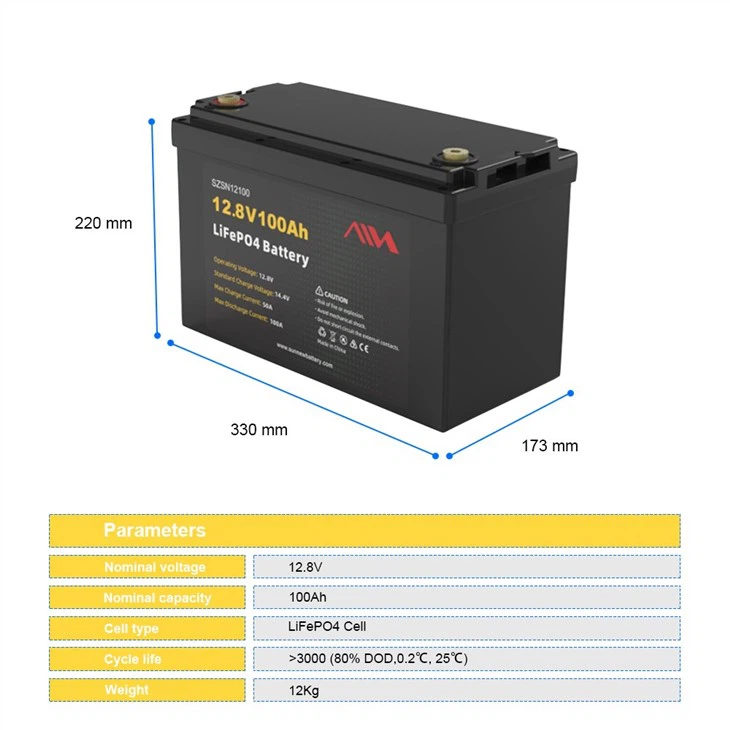
If you're looking for alternatives to AGM GEL batteries connected in series, you might consider lithium - ion batteries, such as LiFePO4 batteries. These batteries offer several advantages, including a longer lifespan, higher energy density, and better charge - discharge efficiency.
We offer a range of high - quality lithium - ion batteries, such as the Deep Cycle 12V 100Ah Rechargeable Lifepo4 Battery Pack With Build - in Bluetooth BMS, the 12V 300ah Lifepo4 Bms Inside Power System, and the LiFePO4 Battery 12v 24v 36v 48v 50ah 100ah 150ah 200ah 300ah Deep Cycle Lithium Ion Battery 12V. These batteries can be connected in series or parallel more easily in some cases, and they often come with built - in battery management systems (BMS) to ensure safe and efficient operation.
Conclusion
In conclusion, AGM GEL batteries can be connected in series, but it's important to understand the requirements and potential challenges. By carefully matching the batteries, using a compatible charging system, and taking appropriate safety precautions, you can create a reliable and efficient battery bank. However, if you're looking for a more advanced and efficient solution, lithium - ion batteries like LiFePO4 may be a better choice.
If you're interested in purchasing AGM GEL batteries or exploring our range of lithium - ion batteries, we're here to help. Whether you have questions about series connections, battery selection, or system design, our team of experts is ready to assist you. Contact us today to start a discussion about your specific needs and find the best battery solution for your application.
References
- Linden, D., & Reddy, T. B. (2002). Handbook of Batteries. McGraw - Hill.
- Doebelin, E. O. (2003). Measurement Systems: Application and Design. McGraw - Hill.