


In recent years, the demand for renewable energy sources has been on the rise, and solar power systems have emerged as a popular choice for both residential and outdoor applications. As an outdoor battery supplier, I often receive inquiries about whether outdoor batteries can be used in solar power systems. In this blog post, I will explore the feasibility of using outdoor batteries in solar power systems, discuss the benefits and considerations, and provide some recommendations for choosing the right outdoor battery for your solar setup.
Understanding Solar Power Systems
Before delving into the use of outdoor batteries in solar power systems, it's essential to understand how these systems work. A basic solar power system consists of solar panels, an inverter, and a battery (optional). The solar panels capture sunlight and convert it into direct current (DC) electricity. The inverter then converts the DC electricity into alternating current (AC) electricity, which can be used to power electrical appliances and devices.
The battery in a solar power system serves as a storage unit for excess electricity generated by the solar panels. This stored energy can be used during periods of low sunlight or at night when the solar panels are not producing electricity. Batteries are particularly useful for off-grid solar systems or for providing backup power in case of a power outage.
Can an Outdoor Battery be Used for a Solar Power System?
The short answer is yes, an outdoor battery can be used for a solar power system. Outdoor batteries are designed to withstand harsh environmental conditions, such as extreme temperatures, humidity, and vibrations, making them suitable for use in outdoor solar setups. However, not all outdoor batteries are created equal, and there are several factors to consider when choosing an outdoor battery for your solar power system.
Compatibility
One of the most important factors to consider is the compatibility of the outdoor battery with your solar power system. The battery should be able to handle the voltage and current output of the solar panels and the inverter. It's also important to ensure that the battery has the appropriate charging and discharging capabilities to work effectively with the solar power system.
Capacity
The capacity of the outdoor battery is another crucial factor to consider. The capacity of a battery is measured in ampere-hours (Ah) or watt-hours (Wh) and determines how much energy the battery can store. The capacity of the battery you choose will depend on your energy needs and the size of your solar power system. If you have a large solar power system or high energy demands, you will need a battery with a higher capacity.
Depth of Discharge (DoD)
The depth of discharge (DoD) is the percentage of the battery's capacity that can be safely discharged without damaging the battery. A higher DoD means that the battery can be discharged more deeply, which can increase the amount of usable energy stored in the battery. However, discharging a battery too deeply can reduce its lifespan. It's important to choose a battery with a suitable DoD for your solar power system.
Cycle Life
The cycle life of a battery refers to the number of charge and discharge cycles the battery can undergo before its performance starts to degrade. A battery with a higher cycle life will last longer and provide more reliable performance over time. When choosing an outdoor battery for your solar power system, it's important to consider the cycle life of the battery and choose a battery with a long cycle life.
Safety
Safety is always a top priority when it comes to using batteries in a solar power system. Outdoor batteries should be designed with safety features such as overcharge protection, over-discharge protection, and short-circuit protection to prevent damage to the battery and the solar power system. It's also important to follow the manufacturer's instructions for installing and using the battery to ensure safe operation.
Benefits of Using an Outdoor Battery in a Solar Power System
Using an outdoor battery in a solar power system offers several benefits, including:
Energy Independence
By storing excess electricity generated by the solar panels, an outdoor battery allows you to become more energy independent. You can use the stored energy during periods of low sunlight or at night, reducing your reliance on the grid and potentially saving money on your electricity bills.
Backup Power
In case of a power outage, an outdoor battery can provide backup power to keep your essential appliances and devices running. This can be particularly useful in areas prone to power outages or for off-grid living.


Peak Shaving
An outdoor battery can also be used for peak shaving, which involves using the stored energy during periods of high electricity demand. This can help reduce your electricity costs by avoiding peak-time electricity rates.
Environmental Benefits
Using a solar power system with an outdoor battery is a clean and renewable energy solution that helps reduce your carbon footprint. By using solar energy instead of fossil fuels, you can contribute to a more sustainable future.
Considerations When Using an Outdoor Battery in a Solar Power System
While using an outdoor battery in a solar power system offers many benefits, there are also some considerations to keep in mind:
Cost
Outdoor batteries can be expensive, and the cost of the battery will depend on its capacity, type, and brand. It's important to consider the cost of the battery when planning your solar power system and ensure that it fits within your budget.
Maintenance
Outdoor batteries require regular maintenance to ensure optimal performance and longevity. This may include checking the battery's charge level, cleaning the battery terminals, and monitoring the battery's temperature. It's important to follow the manufacturer's instructions for maintaining the battery to ensure safe and reliable operation.
Installation
Installing an outdoor battery in a solar power system requires some technical knowledge and expertise. It's important to hire a qualified installer to ensure that the battery is installed correctly and safely. The installer will also be able to provide you with advice on the best location for the battery and the appropriate wiring and connections.
Choosing the Right Outdoor Battery for Your Solar Power System
When choosing an outdoor battery for your solar power system, it's important to consider the factors mentioned above and choose a battery that meets your specific needs and requirements. Here are some recommendations for choosing the right outdoor battery:
Lithium-Ion Batteries
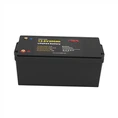
Lithium-ion batteries are a popular choice for solar power systems due to their high energy density, long cycle life, and low self-discharge rate. They are also lightweight and compact, making them easy to install and transport. However, lithium-ion batteries can be more expensive than other types of batteries.
Lead-Acid Batteries
Lead-acid batteries are a more affordable option for solar power systems. They are available in different types, including flooded lead-acid batteries and sealed lead-acid batteries. Flooded lead-acid batteries require regular maintenance, such as adding water to the cells, while sealed lead-acid batteries are maintenance-free. Lead-acid batteries have a lower energy density and shorter cycle life compared to lithium-ion batteries.
Nickel-Cadmium Batteries
Nickel-cadmium batteries are another option for solar power systems. They have a high energy density, long cycle life, and can operate in a wide range of temperatures. However, nickel-cadmium batteries are more expensive than lead-acid batteries and contain toxic cadmium, which can be harmful to the environment.
Consider Your Energy Needs
When choosing an outdoor battery, it's important to consider your energy needs and the size of your solar power system. Calculate your daily energy consumption and choose a battery with a capacity that can meet your needs. You may also want to consider adding additional batteries in the future to increase your energy storage capacity.
Read Reviews and Compare Brands
Before purchasing an outdoor battery, it's a good idea to read reviews and compare different brands and models. Look for batteries with high ratings and positive reviews from other solar power system users. You can also consult with a solar power system installer or a battery manufacturer for recommendations.
Our Outdoor Battery Products
As an outdoor battery supplier, we offer a range of high-quality outdoor batteries that are suitable for use in solar power systems. Our batteries are designed to withstand harsh environmental conditions and provide reliable performance over time. Some of our popular products include:
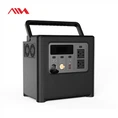
- 800W Solar Portable Power Station: This portable power station is equipped with a high-capacity battery and can be charged using solar panels. It provides a convenient and reliable power source for outdoor activities and off-grid living.
- 1000W Portable Generator For Outdoor Camping: This portable generator is powered by a gasoline engine and can be used to charge the outdoor battery in your solar power system. It provides a backup power source in case of a power outage or when the solar panels are not producing enough electricity.
- 600W Portable Generator For Outdoor Camping: This portable generator is a more compact and lightweight option for outdoor camping and other outdoor activities. It can also be used to charge the outdoor battery in your solar power system.
Contact Us for Purchasing and Consultation
If you are interested in purchasing an outdoor battery for your solar power system or have any questions about our products, please feel free to contact us. Our team of experts will be happy to assist you in choosing the right outdoor battery for your specific needs and requirements. We can also provide you with more information about our products, pricing, and installation services.
References
- "Solar Power Systems: A Comprehensive Guide." Energy.gov.
- "Battery Basics for Solar Power Systems." SolarReviews.com.
- "Choosing the Right Battery for Your Solar Power System." RenewableEnergyWorld.com.