



Can stackable batteries be used in cameras? This is a question that has intrigued many photography enthusiasts and professionals alike. As a supplier of stackable batteries, I've delved deep into this topic to provide you with comprehensive insights.
Understanding Stackable Batteries
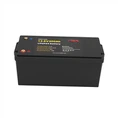
Stackable batteries are a revolutionary concept in the world of energy storage. They offer the flexibility to increase capacity by simply "stacking" multiple battery units together. Our range of stackable batteries, such as the Stackable Household Lithium 51.2v 200ah, 51.2v 300ah Lifepo4 15KWh Solar ESS, and LiFePO4 51.2V 100Ah 5Kwh Stackable Battery, are designed with advanced technology to ensure high performance and reliability.
These batteries are typically based on lithium iron phosphate (LiFePO4) chemistry, which offers several advantages over traditional battery chemistries. LiFePO4 batteries have a longer lifespan, better thermal stability, and are more environmentally friendly. They can also withstand a large number of charge - discharge cycles without significant capacity degradation.
Camera Power Requirements
Cameras, whether they are DSLRs, mirrorless cameras, or professional video cameras, have specific power requirements. These requirements vary depending on the camera's features, such as the size of the sensor, the complexity of the autofocus system, and the use of additional accessories like external flashes or monitors.
Most consumer - grade cameras are designed to work with standard battery packs, which are usually lithium - ion batteries. These battery packs are specifically engineered to fit the camera's battery compartment and provide the necessary voltage and current. For example, a typical DSLR camera may require a battery that provides around 7.2V to 14.4V, depending on the model.
Feasibility of Using Stackable Batteries in Cameras
The feasibility of using stackable batteries in cameras depends on several factors.
Voltage Compatibility
One of the primary concerns is voltage compatibility. As mentioned earlier, stackable batteries like the ones we offer typically have higher voltages (e.g., 51.2V). These high - voltage batteries are not directly compatible with most cameras, which operate at much lower voltages.
However, it is possible to use a voltage regulator or a DC - DC converter to step down the voltage from the stackable battery to a level that is suitable for the camera. This requires some technical knowledge and the use of appropriate electronic components. If not done correctly, it can pose a risk of damaging the camera due to over - or under - voltage situations.


Physical Size and Compatibility
Another factor is the physical size of the stackable batteries. Stackable batteries are often designed for larger - scale energy storage applications, such as solar energy storage systems for households. They are much larger and heavier than the standard camera battery packs.
This means that integrating stackable batteries into a camera setup would require a custom - made housing or mounting solution. It may also make the camera less portable and more cumbersome to use, especially for photographers who need to move around frequently.
Capacity and Endurance
On the positive side, stackable batteries offer significantly higher capacity compared to standard camera batteries. This means that they can potentially provide much longer operating times for the camera. For professional photographers who are shooting long - duration events or in remote locations without easy access to charging facilities, the high capacity of stackable batteries could be a major advantage.
Practical Applications and Use Cases
While the direct use of stackable batteries in cameras may face some challenges, there are still practical applications where stackable batteries can be beneficial in a camera - related setup.
Studio Photography
In a studio environment, space and portability are less of a concern. Photographers can use stackable batteries to power multiple cameras simultaneously or to run additional equipment like continuous lighting systems. By using a voltage regulator, the high - voltage stackable battery can be used to provide a stable power supply to all the equipment in the studio.
Long - Term Surveillance Cameras
For long - term surveillance cameras, which need to operate continuously for extended periods, stackable batteries can be a great solution. These cameras are often installed in locations where there is no reliable access to the power grid. The high capacity of stackable batteries ensures that the cameras can keep running for days or even weeks without needing a recharge.
Safety Considerations
When considering using stackable batteries in cameras or any other equipment, safety is of utmost importance.
Over - Current and Over - Voltage Protection
As mentioned earlier, using a voltage regulator is crucial to prevent over - voltage situations. Additionally, the stackable battery system should be equipped with over - current protection to prevent excessive current from flowing to the camera, which could damage the internal components.
Thermal Management
Stackable batteries generate heat during the charging and discharging process. In a camera setup, proper thermal management is essential to prevent overheating, which can not only reduce the battery's lifespan but also pose a fire hazard. Adequate ventilation and heat dissipation mechanisms should be in place.
Conclusion
In conclusion, while it is technically possible to use stackable batteries in cameras, it is not a straightforward solution. There are challenges related to voltage compatibility, physical size, and safety that need to be addressed.
However, for specific use cases such as studio photography and long - term surveillance, stackable batteries can offer significant advantages in terms of capacity and endurance. If you are interested in exploring the possibility of using stackable batteries in your camera setup, I encourage you to contact us for more information and technical support. We have a team of experts who can provide guidance on voltage regulation, custom - made solutions, and safety measures.
Whether you are a professional photographer looking for a reliable power source or a hobbyist interested in experimenting with new technologies, our stackable batteries could be the solution you've been looking for. Contact us to discuss your specific requirements and explore the potential of using stackable batteries in your camera applications.
References
- Battery University: A comprehensive resource on battery technology and applications.
- Camera manufacturers' official documentation for power requirements and battery specifications.
- Technical literature on voltage regulators and DC - DC converters for electronic devices.