



As a supplier of Powerwall batteries, I understand the importance of monitoring the performance of these energy storage systems. In this blog post, I'll share some insights on how to effectively monitor the performance of a Powerwall battery, drawing from my experience in the industry.
Understanding the Basics of Powerwall Battery Performance
Before delving into the monitoring process, it's essential to understand the key performance indicators (KPIs) of a Powerwall battery. These KPIs include state of charge (SOC), state of health (SOH), power output, and energy throughput.
The state of charge indicates the amount of energy currently stored in the battery, expressed as a percentage. It's a crucial metric as it helps users understand how much energy is available for use. The state of health, on the other hand, reflects the overall condition of the battery and its ability to hold a charge over time. A battery with a high SOH is likely to perform better and have a longer lifespan.
Power output refers to the rate at which the battery can deliver energy, measured in kilowatts (kW). This is important for determining whether the battery can meet the power demands of a home or business. Energy throughput is the total amount of energy that has passed through the battery over a given period, usually measured in kilowatt-hours (kWh).
Tools for Monitoring Powerwall Battery Performance
There are several tools available for monitoring the performance of a Powerwall battery. One of the most common is the manufacturer's monitoring app. For example, Tesla's Powerwall comes with a mobile app that allows users to monitor the battery's SOC, SOH, power output, and energy throughput in real-time. The app also provides historical data and analytics, which can be useful for identifying trends and patterns in the battery's performance.
In addition to the manufacturer's app, there are also third-party monitoring tools available. These tools can provide more detailed and customized monitoring options, such as integration with other smart home devices or energy management systems. Some third-party tools also offer advanced analytics and reporting features, which can help users optimize their energy usage and reduce costs.
Setting Up a Monitoring System
To effectively monitor the performance of a Powerwall battery, it's important to set up a comprehensive monitoring system. This system should include the following components:

- Data Collection: The first step is to collect data from the battery. This can be done using the manufacturer's monitoring app or a third-party monitoring device. The data should include information on the battery's SOC, SOH, power output, and energy throughput.
- Data Storage: Once the data is collected, it needs to be stored securely. This can be done using a cloud-based storage service or a local server. The data should be stored in a format that is easy to access and analyze.
- Data Analysis: The next step is to analyze the data to identify trends and patterns in the battery's performance. This can be done using a variety of tools, such as spreadsheets, data visualization software, or machine learning algorithms. The analysis should focus on key performance indicators, such as SOC, SOH, power output, and energy throughput.
- Alerting: Finally, it's important to set up an alerting system to notify users when the battery's performance falls below a certain threshold. This can be done using email, text message, or push notifications. The alerts should be customized based on the user's preferences and the specific requirements of the battery.
Interpreting Monitoring Data
Once the monitoring system is set up and the data is being collected and analyzed, it's important to interpret the results. Here are some key things to look for when interpreting monitoring data:
- SOC Trends: A consistent decrease in SOC over time may indicate a problem with the battery's charging system or a high rate of energy consumption. On the other hand, a sudden drop in SOC may indicate a fault in the battery or a power outage.
- SOH Trends: A gradual decrease in SOH over time is normal as the battery ages. However, a rapid decrease in SOH may indicate a problem with the battery's chemistry or a manufacturing defect.
- Power Output Trends: A decrease in power output may indicate a problem with the battery's inverter or a high temperature. On the other hand, a sudden increase in power output may indicate a surge in energy demand or a fault in the battery.
- Energy Throughput Trends: An increase in energy throughput may indicate an increase in energy consumption or a change in the user's energy usage patterns. On the other hand, a decrease in energy throughput may indicate a decrease in energy consumption or a problem with the battery's charging system.
Optimizing Powerwall Battery Performance
Based on the monitoring data, users can take steps to optimize the performance of their Powerwall battery. Here are some tips for optimizing battery performance:
- Adjust Energy Usage: By analyzing the energy throughput data, users can identify peak and off-peak energy usage periods. They can then adjust their energy usage patterns to take advantage of lower electricity rates during off-peak periods.
- Maintain Proper Charging: It's important to maintain proper charging practices to ensure the longevity of the battery. This includes avoiding overcharging and undercharging the battery, as well as keeping the battery at a moderate temperature.
- Update Software: Manufacturers often release software updates for their Powerwall batteries to improve performance and address any issues. Users should regularly check for software updates and install them as soon as they are available.
- Perform Regular Maintenance: Regular maintenance, such as cleaning the battery and checking the connections, can help ensure the proper functioning of the battery. Users should also follow the manufacturer's recommended maintenance schedule.
Our Product Offerings
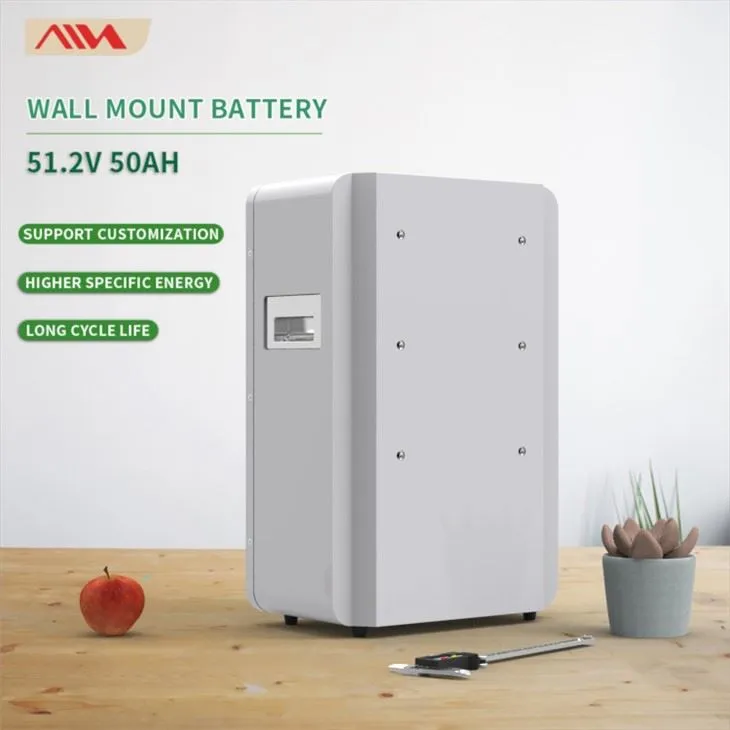
At our company, we offer a range of Powerwall batteries to meet the diverse needs of our customers. Our products include the 5kwh Tesla Wall Mounted 51.2V 100AH Battery, the 51.2V 150AH Lithium Battery For Solar ESS, and the Solar Battery Powerwall 2.56Kwh Lifepo4 Pack. These batteries are designed to provide reliable and efficient energy storage solutions for homes and businesses.
Contact Us for Procurement
If you're interested in purchasing a Powerwall battery or have any questions about monitoring battery performance, please don't hesitate to contact us. We have a team of experts who can provide you with detailed information about our products and help you choose the right battery for your needs. We look forward to working with you to optimize your energy storage solution.
References
- "Battery Monitoring: A Comprehensive Guide." Energy Storage Association.
- "Understanding Battery Performance Metrics." Battery University.
- "Optimizing Energy Storage Systems with Monitoring and Analytics." Journal of Energy Storage.