



As a solar generator supplier, I get asked a lot about how to test these nifty devices to make sure they're working like a charm. Well, I'm here to share my know - how on this topic. Testing a solar generator is crucial, whether you're a consumer looking to check your new purchase or a retailer making sure your stock is up to snuff.


Initial Visual Inspection
First things first, let's start with a good old - fashioned visual inspection. When you unpack a solar generator, take a good look at it. Check for any obvious signs of damage, like cracks on the casing, loose wires, or dents. A damaged solar generator can not only malfunction but also pose a safety risk. Make sure all the ports are clean and free of debris. If you spot any issues, it's best to contact the supplier right away.
Battery Check
The battery is the heart of a solar generator. To start, check the battery level indicator. Most modern solar generators come with a display that shows the battery percentage. If it's brand new, it should have a decent charge. If not, it might be a sign of a problem.
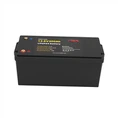
You can also use a multimeter to measure the battery voltage. For a fully charged battery, the voltage should be within the manufacturer's specified range. If the voltage is significantly lower, the battery might not be holding a charge properly.
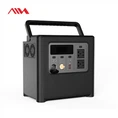
Let's say you have our 500W Portable Generator For Outdoor Camping. The battery in this model is designed to maintain a certain voltage when fully charged. If you measure the voltage and it's way off, you'll need to dig deeper into the issue.
Solar Panel Test
The solar panels are what allow the generator to recharge using sunlight. Take the solar panels outside on a sunny day. Connect them to the solar generator according to the instructions. Then, check the charging indicator on the generator. It should show that the battery is being charged.
You can also measure the output of the solar panels using a multimeter. Place the multimeter probes on the output terminals of the solar panel. The voltage and current readings should match the panel's specifications. If the readings are too low, the solar panel might be damaged or not positioned correctly.
For instance, our 600W Portable Generator For Outdoor Camping comes with high - efficiency solar panels. If you're not getting the expected output from these panels, it could be due to a problem like a dirty panel surface or an issue with the connection.
Load Testing
Load testing is all about seeing how well the solar generator can power different devices. Start with small, low - power devices like a smartphone or a small LED light. Plug them into the appropriate ports on the generator and see if they work.
Next, move on to larger devices. Our 800W Portable Generator For Outdoor Camping is capable of powering larger appliances. Try plugging in a small fridge or a laptop. Make sure the generator can handle the load without shutting down or overheating.
While load testing, pay attention to the battery level. A good solar generator should be able to power devices for a reasonable amount of time without draining the battery too quickly. If the battery level drops rapidly, it could indicate a problem with the generator's efficiency.
Inverter Test
The inverter is responsible for converting the DC power from the battery into AC power that most household devices use. To test the inverter, you can use a voltage tester. Plug the voltage tester into one of the AC outlets on the solar generator. The tester should show the correct voltage, usually 110V or 220V depending on your region.
You can also listen for any strange noises coming from the inverter. A well - functioning inverter should operate quietly. If you hear buzzing or humming sounds, it might be a sign of a problem.
Charge Controller Test
The charge controller regulates the charging process to protect the battery from overcharging. To test it, monitor the charging process. The charge controller should stop charging the battery when it's full. You can also check the temperature of the charge controller. If it gets too hot during the charging process, there could be an issue.
Long - Term Testing
For a more comprehensive evaluation, conduct long - term testing. Use the solar generator regularly over a period of a few weeks. This will give you a better idea of its performance, reliability, and battery life. During this time, keep a record of how long the battery lasts on a single charge, how quickly it recharges using the solar panels, and any issues you encounter.
Safety Checks
Safety is always a top priority. Make sure the solar generator has proper grounding. Check the circuit breakers to ensure they trip when there's an overload. Also, look for any signs of overheating during operation. If the generator gets too hot, it could be a fire hazard.
In conclusion, testing a solar generator involves a series of checks to ensure all its components are working properly. By following these steps, you can identify and address any issues before they become major problems.
If you're interested in purchasing our high - quality solar generators or have any questions about our products, feel free to reach out to us for a procurement discussion. We're always happy to help you find the right solar generator for your needs.
References
- General knowledge from years of experience in the solar generator industry
- Manufacturer's manuals for our solar generators