


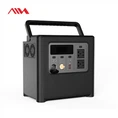
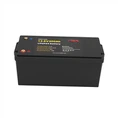

A home battery is a device that stores electrical energy for later use, typically charged by solar panels or from the grid during off-peak hours. As a home battery supplier, I've witnessed firsthand how these systems are revolutionizing the way we interact with the local power grid. In this blog, I'll explore the various impacts of home batteries on the local power grid, from enhancing grid stability to promoting renewable energy integration.
Enhancing Grid Stability
One of the primary ways home batteries impact the local power grid is by enhancing its stability. The power grid is a complex system that requires a delicate balance between electricity generation and consumption. Fluctuations in demand, such as those caused by extreme weather events or large industrial operations, can strain the grid and lead to power outages.
Home batteries can act as a buffer, storing excess electricity during periods of low demand and releasing it back into the grid during peak hours. This helps to smooth out the peaks and valleys in electricity consumption, reducing the strain on the grid and improving its overall stability. For example, during a hot summer day when air conditioning usage spikes, home batteries can discharge stored energy to help meet the increased demand, preventing blackouts and brownouts.
In addition, home batteries can provide backup power during emergencies. When the grid goes down due to a natural disaster or other unforeseen event, home batteries can keep essential appliances and devices running, providing peace of mind and ensuring the safety and comfort of homeowners. This is particularly important in areas prone to severe weather conditions or with an unreliable grid infrastructure.
Promoting Renewable Energy Integration
Renewable energy sources, such as solar and wind, are becoming increasingly popular as the world seeks to reduce its reliance on fossil fuels and combat climate change. However, one of the challenges of renewable energy is its intermittent nature. Solar panels only generate electricity when the sun is shining, and wind turbines only produce power when the wind is blowing. This can make it difficult to integrate renewable energy into the grid and ensure a reliable supply of electricity.
Home batteries can play a crucial role in addressing this challenge by storing excess renewable energy generated during periods of high production and releasing it when the sun isn't shining or the wind isn't blowing. This allows homeowners to maximize their use of renewable energy and reduce their dependence on the grid. For example, a homeowner with solar panels can store excess solar energy in their home battery during the day and use it to power their home at night, reducing their electricity bills and carbon footprint.
Moreover, home batteries can help to balance the grid by providing a stable source of electricity from renewable energy sources. By storing and releasing energy as needed, home batteries can help to smooth out the fluctuations in renewable energy production, making it easier for the grid to integrate larger amounts of renewable energy. This is essential for achieving a more sustainable and reliable energy future.
Reducing Peak Demand and Grid Congestion
Peak demand refers to the period of time when electricity consumption is at its highest, typically during the late afternoon and early evening when people return home from work and turn on their lights, appliances, and air conditioners. Peak demand can put a significant strain on the grid, leading to higher electricity prices, grid congestion, and increased risk of power outages.
Home batteries can help to reduce peak demand by storing electricity during off-peak hours and releasing it during peak hours. This helps to shift the load away from peak periods, reducing the strain on the grid and lowering electricity prices for consumers. For example, a homeowner can charge their home battery overnight when electricity rates are low and use the stored energy to power their home during peak hours, avoiding the higher rates charged during these times.
In addition, home batteries can help to alleviate grid congestion by reducing the need for new transmission and distribution infrastructure. By storing and releasing energy locally, home batteries can reduce the amount of electricity that needs to be transmitted over long distances, which can help to relieve congestion on the grid and improve its efficiency. This can save utilities billions of dollars in infrastructure costs and reduce the environmental impact of building new power lines and substations.
Enabling Demand Response Programs
Demand response programs are initiatives designed to encourage consumers to reduce their electricity consumption during peak periods in exchange for financial incentives. These programs typically involve sending signals to consumers' smart meters or home energy management systems, indicating when electricity prices are high or when the grid is under stress. Consumers can then choose to reduce their electricity usage by adjusting their thermostat, turning off non-essential appliances, or using stored energy from their home battery.
Home batteries can play a key role in demand response programs by providing a flexible and reliable source of energy that can be used to meet the grid's needs. By participating in demand response programs, homeowners can earn money by selling the stored energy in their home battery back to the grid during peak periods. This not only helps to reduce their electricity bills but also provides a valuable service to the grid by helping to balance supply and demand.
In addition, home batteries can enable more sophisticated demand response strategies, such as real-time pricing and dynamic load management. With real-time pricing, electricity prices are adjusted based on the actual cost of generating and delivering electricity at any given time. Homeowners with home batteries can use this information to optimize their energy usage and save money by charging their battery when electricity prices are low and discharging it when prices are high.
Dynamic load management involves automatically adjusting the operation of home appliances and devices based on the grid's needs. For example, a smart thermostat can be programmed to adjust the temperature in a home based on the grid's demand, reducing energy consumption during peak periods without sacrificing comfort. Home batteries can work in conjunction with these smart devices to provide a more integrated and efficient approach to demand response.
Considerations for Home Battery Installation
While home batteries offer many benefits for both homeowners and the local power grid, there are several considerations to keep in mind when installing a home battery system. These include:
- Cost: Home battery systems can be expensive, with the cost depending on the size and capacity of the battery, as well as the type of technology used. However, the cost of home batteries is expected to continue to decline in the coming years as the technology improves and economies of scale are achieved.
- Size and Capacity: The size and capacity of the home battery system should be carefully considered based on the homeowner's energy needs, the size of their solar panel system (if applicable), and the amount of backup power required. A larger battery system will typically provide more storage capacity and longer backup power, but it will also be more expensive.
- Compatibility: The home battery system should be compatible with the homeowner's existing electrical system, including their solar panels, inverter, and smart meter. It's important to work with a qualified installer who can ensure that the system is properly installed and integrated with the existing infrastructure.
- Maintenance and Warranty: Home battery systems require regular maintenance to ensure optimal performance and longevity. It's important to choose a system that comes with a comprehensive warranty and to follow the manufacturer's recommended maintenance schedule.
Conclusion
As a home battery supplier, I'm excited about the potential of home batteries to transform the way we interact with the local power grid. By enhancing grid stability, promoting renewable energy integration, reducing peak demand and grid congestion, and enabling demand response programs, home batteries can help to create a more sustainable, reliable, and efficient energy future.
If you're interested in learning more about how a home battery can benefit your home and the local power grid, or if you're considering purchasing a home battery system, I encourage you to contact me for more information. I'd be happy to discuss your specific needs and help you find the right home battery solution for your situation.
In addition to home batteries, we also offer a range of portable power solutions, including the 700W Portable Generator For Outdoor Camping, the 600W Solar Portable Power Station, and the 700W Solar Portable Power Station. These products are perfect for outdoor activities, emergencies, and off-grid living, providing a reliable source of power wherever you need it.
Thank you for reading this blog. I hope you found it informative and useful. If you have any questions or comments, please feel free to leave them below.


References
- "Home Batteries and the Grid: A Win-Win for Consumers and Utilities," Rocky Mountain Institute.
- "The Role of Energy Storage in a Renewable Energy Future," International Renewable Energy Agency.
- "Demand Response: A Key Tool for Grid Flexibility," Electric Power Research Institute.