


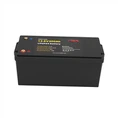

Hey there! As a supplier of UPS batteries, I've seen firsthand how different environmental factors can mess with these power backups. One of the most under - talked - about factors is humidity. You might be thinking, "Humidity? How can a bit of moisture in the air really affect my UPS battery?" Well, let me break it down for you.
What is Humidity and Why Should You Care?
First off, humidity is just the amount of water vapor in the air. It can range from super dry (low humidity) to so muggy you feel like you're swimming through the air (high humidity). And it matters big time for your UPS battery because batteries are pretty sensitive fellas.
Impact of High Humidity on UPS Batteries
When the humidity is high, say above 70%, a few bad things can happen to your UPS battery.
Corrosion
One of the biggest issues is corrosion. High humidity means there's more water in the air, and this water can react with the metal components inside the battery. The battery terminals, which are usually made of lead or other metals, are especially at risk. Over time, corrosion forms on these terminals. This corrosion acts like a barrier, making it harder for the battery to transfer electricity efficiently. You might start noticing that your UPS doesn't charge as quickly as it used to or that it can't hold a charge for long.
Short - Circuit Risks
Another problem is the increased risk of short - circuits. The water vapor in the air can condense on the battery's internal components. If this condensed water comes into contact with the electrical parts in the wrong way, it can create a short - circuit. A short - circuit is like a shortcut for the electricity, and it can cause all sorts of problems. It can damage the battery itself, and in some cases, it can even pose a safety risk like overheating or starting a fire.
Electrolyte Evaporation
High humidity can also speed up the evaporation of the electrolyte inside the battery. The electrolyte is a crucial part of the battery, as it helps with the chemical reactions that produce electricity. When the electrolyte evaporates too quickly, the battery's performance starts to decline. You'll find that your UPS battery won't be able to provide as much power as it did when it was new.
Effects of Low Humidity on UPS Batteries
Low humidity, on the other hand, isn't all sunshine and rainbows either. When the air is very dry (humidity below 30%), the following issues can occur.


Brittle Components
The dry air can cause the battery's plastic and rubber components to become brittle. These components are important for holding the battery together and protecting the internal parts. As they become brittle, they're more likely to crack or break. Once these components are damaged, it can expose the internal parts of the battery to the environment, which can lead to further problems like contamination or damage from dust.
Increased Internal Resistance
Low humidity can also increase the internal resistance of the battery. The chemical reactions inside the battery rely on a certain level of moisture to work properly. When the air is too dry, these reactions slow down, and the internal resistance goes up. This means that the battery has to work harder to produce the same amount of power, which can lead to premature wear and tear.
Finding the Sweet Spot
So, what's the ideal humidity level for a UPS battery? Generally, a humidity range between 30% and 70% is considered best. In this range, the battery can operate under relatively stable conditions. The risk of corrosion and short - circuits is minimized, and the battery's internal components can function as they're supposed to.
But how do you maintain this ideal humidity level? Well, if you're using the UPS in a room, you can use a dehumidifier to lower the humidity if it's too high. On the other hand, if the humidity is too low, you can use a humidifier to add some moisture to the air.
Our UPS Batteries and Humidity Resistance
At our place, we understand the importance of humidity resistance in UPS batteries. That's why we've designed our batteries to be as resilient as possible to different humidity levels. We use high - quality materials that are less prone to corrosion, and we've engineered the internal components to minimize the risks of short - circuits and electrolyte evaporation.
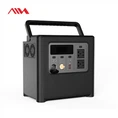
If you're in the market for a reliable UPS battery that can handle various humidity conditions, you're in the right place. And while you're at it, check out some of our other great power products. We have the 700W Solar Portable Power Station, which is perfect for off - grid power needs. It's portable and can be charged using solar energy, so you're always ready for an adventure.
For those who love outdoor camping, our 800W Portable Generator For Outdoor Camping is a must - have. It's powerful enough to run all your camping essentials and is easy to carry around. And if you're looking for something a bit more compact, our 500W Solar Portable Power Station is a great option.
Why Choose Us?
We're not just another UPS battery supplier. We've been in the business for years, and we know what it takes to make a high - quality battery. Our team of experts is always working on improving our products to make them more resistant to environmental factors like humidity. We offer great customer service, and we stand behind our products.
If you're interested in learning more about our UPS batteries or want to discuss your specific power needs, don't hesitate to reach out. Whether you're a small business owner looking for backup power or an individual who wants to be prepared for power outages, we've got the right solution for you.
Conclusion
In conclusion, humidity can have a significant impact on your UPS battery. Both high and low humidity levels can cause problems like corrosion, short - circuits, and reduced performance. But with the right battery and proper humidity control, you can ensure that your UPS battery lasts a long time and performs at its best.
If you're ready to take the next step and invest in a reliable UPS battery, or if you have any questions, we're here to help. Contact us today to start the conversation and find the perfect power solution for you.
References
- Battery University: A comprehensive resource on battery technology and performance.
- Electrical Engineering textbooks covering battery operation and environmental impacts.