



Hey there! As an outdoor battery supplier, I've seen my fair share of batteries facing all sorts of environmental challenges. One question that often pops up is: How does salt air affect an outdoor battery? Well, let's dive right in and explore this topic.
First off, what exactly is salt air? Salt air is basically air that contains tiny particles of salt. You'll typically find it near the ocean, where the wind picks up droplets of seawater. These droplets evaporate, leaving behind salt particles that get carried in the air.
Now, how does this salt - laden air impact outdoor batteries?
Corrosion
One of the most significant effects of salt air on outdoor batteries is corrosion. Salt is a great conductor of electricity, and when it comes into contact with the metal parts of a battery, it can speed up the oxidation process. Most batteries have metal terminals and connectors. When salt particles land on these metal surfaces and mix with moisture in the air, they form an electrolyte solution. This solution allows electrons to flow more easily, which accelerates the corrosion of the metal.
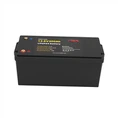
For example, if you have a lead - acid battery, the lead terminals can start to corrode. This corrosion can build up over time, creating a layer of rust and other by - products. As this layer thickens, it can increase the resistance between the battery and the device it's powering. This means that the battery may not be able to deliver power as efficiently, and you might notice a drop in performance.
Short - Circuit Risks
Salt air can also increase the risk of short - circuits. If salt deposits build up on the battery's internal components or between the terminals, it can create an unintended electrical path. This can cause a short - circuit, which is extremely dangerous. A short - circuit can lead to overheating, damage to the battery, and in some cases, even pose a fire hazard.
Let's say you have a lithium - ion battery. These batteries are known for their high energy density, but they're also sensitive to short - circuits. If salt air causes a short - circuit in a lithium - ion battery, it can result in a thermal runaway situation. This is when the battery heats up uncontrollably, which can lead to an explosion or fire.
Reduced Lifespan
The combined effects of corrosion and short - circuit risks can significantly reduce the lifespan of an outdoor battery. A battery that's exposed to salt air on a regular basis may not last as long as one that's kept in a clean, dry environment. For instance, a battery that would normally last for 5 years in a normal environment might only last for 2 - 3 years in a coastal area with high salt air levels.
This reduced lifespan means that you'll have to replace your batteries more frequently, which can be costly in the long run. As an outdoor battery supplier, I often hear from customers who are frustrated about having to replace their batteries too soon. That's why it's crucial to understand how salt air affects batteries and take steps to protect them.
How to Protect Outdoor Batteries from Salt Air
So, what can you do to protect your outdoor batteries from the harmful effects of salt air?
Regular Cleaning
One of the simplest things you can do is to clean your batteries regularly. Use a soft brush and a mild cleaning solution to remove any salt deposits from the battery terminals and casing. Make sure to dry the battery thoroughly after cleaning to prevent further corrosion.
Sealing and Enclosures
Another option is to use sealed enclosures for your batteries. These enclosures can help keep salt air away from the battery. There are various types of enclosures available, from simple plastic cases to more advanced waterproof and dustproof boxes. For example, if you're using a battery to power a marine device, you can choose an enclosure that's specifically designed for marine environments.


Coating
Applying a protective coating to the battery terminals can also help. There are special anti - corrosion coatings available that can create a barrier between the metal and the salt air. These coatings can slow down the corrosion process and extend the battery's lifespan.
Our Outdoor Battery Solutions
At our company, we understand the challenges that salt air poses to outdoor batteries. That's why we offer a range of high - quality outdoor batteries that are designed to withstand harsh environments.
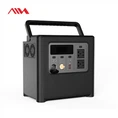
For example, our 900W Solar Portable Power Station is built with durable materials and advanced protection features. It has a sealed casing that helps keep salt air and moisture out. This power station is perfect for outdoor activities near the ocean, like beach camping or fishing trips.
If you're looking for a more powerful option, our 900W Portable Generator For Outdoor Camping is a great choice. It's designed to be rugged and reliable, even in salt - air environments. It can provide a steady stream of power for all your camping equipment, from lights to refrigerators.
And for those who need a more compact solution, our 800W Solar Portable Power Station is a lightweight and efficient option. It's easy to carry around and can still provide enough power to charge your small devices, like smartphones and tablets.
Conclusion
In conclusion, salt air can have a significant impact on outdoor batteries. It can cause corrosion, increase the risk of short - circuits, and reduce the battery's lifespan. However, by taking the right precautions, such as regular cleaning, using enclosures, and applying protective coatings, you can minimize these effects.
If you're in the market for high - quality outdoor batteries that can withstand salt air and other harsh conditions, we're here to help. Whether you're a camper, a boater, or someone who just needs reliable power outdoors, we have the right battery solution for you.
If you're interested in learning more about our products or have any questions about how our batteries perform in salt - air environments, feel free to reach out. We're always happy to have a chat and discuss your specific needs. Let's work together to find the perfect outdoor battery for you!
References
- "Battery Technology Handbook" by David Linden
- "Corrosion of Metals in Marine Environments" by John R. Scully
- "Lithium - Ion Batteries: Science and Technologies" by Yoshio Nishi