


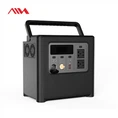

Hey there! I'm a supplier of 30KWH solar systems, and today I wanna chat about how altitude can affect these systems.
First off, let's understand what a 30KWH solar system is. It's a pretty powerful setup that can generate 30 kilowatt - hours of electricity in a day under ideal conditions. This kind of system is great for homes or small businesses looking to cut down on their electricity bills and go green.
Now, let's dig into how altitude plays a role. One of the most significant factors affected by altitude is sunlight intensity. As you go higher in altitude, the atmosphere gets thinner. A thinner atmosphere means less air to scatter and absorb sunlight. So, at higher altitudes, solar panels receive more direct sunlight. This is awesome news for our 30KWH solar systems because more sunlight means more energy can be converted into electricity.
For example, if you install a 30KWH solar system at sea - level, it might be exposed to sunlight that has been partially scattered and absorbed by the relatively thick atmosphere. But take that same system up to a mountainous area, say around 3000 meters above sea - level, and it'll soak up a lot more of the sun's rays. This increased sunlight intensity can boost the system's efficiency and potentially increase its daily energy output.
Another aspect to consider is temperature. Generally, as altitude increases, the temperature drops. Solar panels are sensitive to temperature. They work best in cooler conditions. High temperatures can actually reduce the efficiency of solar panels. So, at higher altitudes where it's cooler, our 30KWH solar system can perform better. When the panels are too hot, the electrons in the semiconductor material inside the panels move more randomly, which makes it harder for them to generate a smooth flow of electricity. But in cooler high - altitude environments, this random movement is reduced, and the panels can convert sunlight into electricity more effectively.
However, altitude also brings some challenges. Higher altitudes often mean harsher weather conditions. There's more chance of strong winds, heavy snow, and extreme temperature variations. Strong winds can put a lot of stress on the solar panel mounting structures. If the mounting isn't designed to withstand these high - altitude winds, it could lead to the panels getting damaged or even blown off. Snow can also be a problem. A thick layer of snow on the panels can block sunlight, preventing them from generating electricity. And those extreme temperature variations can cause the materials in the panels and the rest of the system to expand and contract, which might lead to long - term wear and tear.


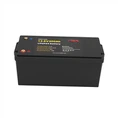
Now, let's talk about the components of our 30KWH solar system and how altitude affects them. The solar panels themselves are directly affected by the sunlight intensity and temperature changes we've discussed. But what about the batteries? We offer some great battery options, like the Sunnew 15KWh 48V 300Ah Stackable LiFePO4 Battery Pack and the Solar Home 15KWh Brick 51.2v 300ah Lifepo4 ESS. These batteries are designed to store the electricity generated by the solar panels.
Temperature also affects battery performance. In cold high - altitude environments, the chemical reactions inside the batteries slow down. This can reduce the battery's capacity to store and deliver electricity. However, LiFePO4 batteries, like the ones we offer, are more resilient to temperature changes compared to other battery types. They can still perform relatively well even in colder conditions. But it's important to make sure they're properly insulated and protected from the cold.
And if you need a bigger battery for your 30KWH system, we have the Brick 30KWh Battery For Home ESS. This battery is a great option for storing all the extra energy your solar system generates, especially in high - altitude areas where the system might produce more power due to better sunlight and temperature conditions.
When it comes to installing a 30KWH solar system at high altitudes, proper planning is crucial. The mounting system needs to be robust enough to handle strong winds. We need to ensure that the panels are tilted at the right angle to maximize sunlight exposure and also to allow snow to slide off easily. And we have to take into account the temperature variations when designing the battery storage and the overall system layout.
In conclusion, altitude has both positive and negative impacts on a 30KWH solar system. The increased sunlight intensity and cooler temperatures at higher altitudes can boost the system's performance and efficiency. But the harsh weather conditions and cold temperatures also pose challenges that need to be addressed.
If you're thinking about getting a 30KWH solar system, whether it's for a high - altitude location or a sea - level area, we're here to help. We have the expertise and the right products to make sure your solar system works at its best. Contact us to start a procurement discussion and let's figure out the perfect solar solution for you.
References
- "Solar Energy Basics" - National Renewable Energy Laboratory
- "Temperature Effects on Solar Panel Performance" - Journal of Solar Energy Research
- "Altitude and Solar Radiation" - International Journal of Atmospheric Sciences