



Hey there! I'm a supplier of Brick Batteries, and today I wanna chat about how the charge - discharge efficiency of a Brick Battery changes with usage.
Let's start with what charge - discharge efficiency actually means. In simple terms, it's the ratio of the energy you can get out of a battery during discharge to the energy you put into it during charging. A high - efficiency battery is like a well - tuned engine; it wastes less energy and gives you more bang for your buck.
When a Brick Battery is brand new, it usually has a relatively high charge - discharge efficiency. For example, our Solar Home 15KWh Brick 51.2v 300ah Lifepo4 ESS comes off the production line with a charge - discharge efficiency that's pretty close to the ideal. This is because all the internal components are in pristine condition. The electrodes are fresh, and there's minimal internal resistance.
As the battery starts getting used, though, things start to change. One of the main factors that affect charge - discharge efficiency is the number of charge - discharge cycles. Every time you charge and then discharge a battery, it's like running a lap around a track. Over time, the wear and tear start to add up.
During the charging process, lithium ions move from the cathode to the anode in a lithium - based Brick Battery, like our LiFePO4 51.2V 200Ah 10Kwh Brick Battery. When discharging, these ions move back. With each cycle, some of these ions can get trapped or lost. This reduces the battery's ability to store and release energy efficiently. So, as the number of cycles increases, the charge - discharge efficiency gradually decreases.
Another thing that can mess with efficiency is the temperature. Batteries are a bit like us humans; they don't perform well in extreme conditions. If it's too hot, the chemical reactions inside the battery speed up too much. This can cause the electrolyte to break down and form deposits on the electrodes. These deposits increase the internal resistance of the battery, which means more energy is wasted as heat during charging and discharging.
On the flip side, cold temperatures slow down the movement of lithium ions. This makes it harder for the battery to charge and discharge fully, also reducing the efficiency. So, if you're using our Brick 30KWh Battery For Home ESS in a place with extreme temperatures, you might notice a more rapid decline in efficiency.
The depth of discharge (DoD) also plays a role. If you always discharge your battery to a very low level before recharging, it puts more stress on the battery. This can lead to a faster degradation of the electrodes and a quicker drop in charge - discharge efficiency. It's better to keep the DoD within a reasonable range. For most Brick Batteries, a DoD of around 80% is a good balance between getting the most out of the battery and maintaining its efficiency over time.
Now, let's talk about how we can try to maintain the charge - discharge efficiency of Brick Batteries. One way is through proper battery management. This includes things like using a good quality charger that can control the charging current and voltage accurately. A charger that can detect when the battery is fully charged and stop charging can prevent overcharging, which is really bad for the battery's efficiency and lifespan.
Regular maintenance is also important. This could involve checking the battery's temperature, voltage, and state of charge periodically. If you notice any abnormal readings, it might be a sign that something's wrong, and you can take action before the efficiency drops too much.
So, what does all this mean for you as a potential buyer? Well, understanding how charge - discharge efficiency changes with usage can help you make a more informed decision. You'll know that while a new battery will have great efficiency, you need to think about how you're going to use it to keep that efficiency high for as long as possible.
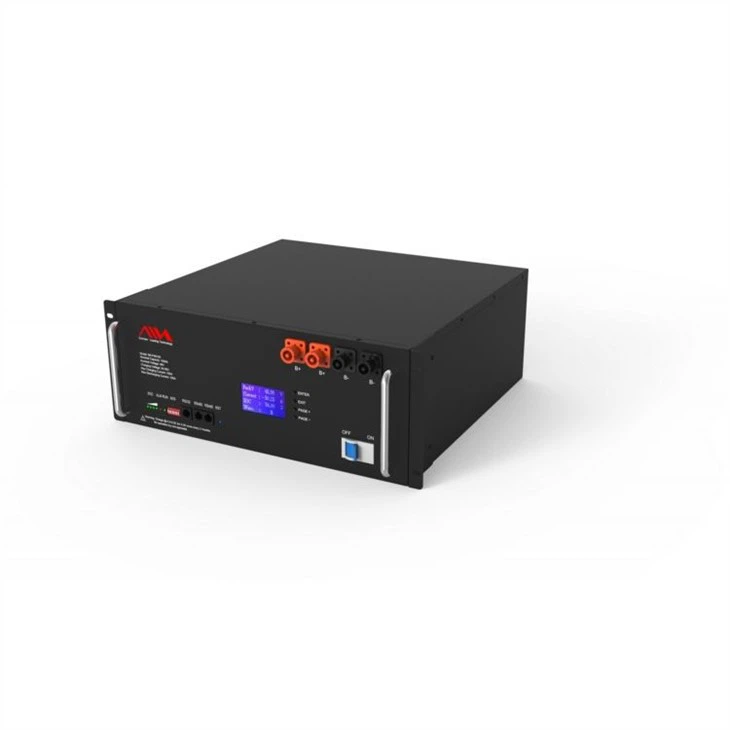

If you're in the market for a Brick Battery, whether it's for a home energy storage system or something else, we've got a range of options to suit your needs. Our batteries are designed with high - quality materials and advanced technology to give you the best possible charge - discharge efficiency right from the start.
If you're interested in learning more about our Brick Batteries or want to discuss your specific requirements, don't hesitate to reach out. We're here to help you find the perfect battery solution for your situation. Whether you need a small battery for a backup power supply or a large - scale battery for a solar energy storage system, we've got you covered.
In conclusion, the charge - discharge efficiency of a Brick Battery is affected by many factors such as the number of charge - discharge cycles, temperature, and depth of discharge. But with proper management and maintenance, you can keep this efficiency at a decent level for a long time. So, if you're looking for a reliable and efficient Brick Battery, consider our products. We're confident that we can provide you with a battery that meets your needs and performs well over its lifespan.
References
- Battery University: A comprehensive resource on battery technology and performance.
- Journal of Power Sources: Contains research on the latest developments in battery efficiency and degradation.