


Hey there! As a home battery supplier, I often get asked, "How much does a home battery cost?" Well, there's no one - size - fits - all answer to this question. The cost of a home battery can vary widely depending on several factors. Let's break it down.
Battery Capacity
One of the most significant factors affecting the cost is battery capacity. Think of it like the size of a gas tank in your car. A larger tank can hold more gas, and a larger - capacity home battery can store more electricity.
Smaller home batteries, with a capacity of around 2 - 5 kilowatt - hours (kWh), might cost anywhere from $2,000 to $5,000. These are great for powering a few essential appliances during a short power outage, like a fridge, a couple of lights, and maybe a small TV.
On the other hand, medium - sized batteries, in the range of 5 - 10 kWh, usually cost between $5,000 and $10,000. They can handle more appliances for a longer period. You could run your HVAC system for a short while, along with your other essentials.
If you're looking at high - capacity batteries, say 10 kWh or more, you're looking at a price tag of $10,000 and up. These are suitable for powering an entire home during an extended outage or for those who want to store a large amount of solar - generated electricity.
Battery Technology
The type of battery technology also plays a huge role in determining the cost.
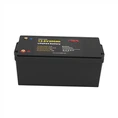
Lithium - ion batteries are the most common choice for home use these days. They're known for their high energy density, long lifespan, and relatively low self - discharge rate. However, they can be a bit pricey. A good - quality lithium - ion home battery can cost anywhere from $300 to $700 per kWh of capacity.
Lead - acid batteries are an older technology. They're less expensive upfront, usually around $100 to $200 per kWh. But they have a shorter lifespan, lower energy density, and require more maintenance. So, in the long run, the cost - effectiveness might not be as good as lithium - ion.
Flow batteries are a newer option. They're great for large - scale energy storage and have a long lifespan. But they're still relatively expensive, often costing more than $500 per kWh.


Brand and Quality
Just like with any product, the brand and quality of the home battery matter. Well - known brands with a reputation for reliability and good customer service tend to charge more. But you're also getting a product that's likely to last longer and perform better.
For example, some high - end brands might offer a comprehensive warranty, which can give you peace of mind. Cheaper, lesser - known brands might save you money upfront, but you could end up facing more problems down the line.
Installation Costs
Don't forget about the installation costs. Installing a home battery isn't a DIY project for most people. You'll need a professional electrician to do it safely and correctly.
Installation costs can vary depending on your location, the complexity of the installation, and the electrician's rates. On average, you can expect to pay between $1,000 and $3,000 for installation. This includes things like wiring, mounting the battery, and integrating it with your home's electrical system.
Additional Features
Some home batteries come with extra features that can add to the cost. For example, a battery with a built - in inverter can convert the stored DC electricity into AC electricity, which is what most home appliances use. This can simplify the installation process and make the battery more user - friendly.
Batteries with smart features, like remote monitoring and control via a smartphone app, are also becoming more popular. You can check the battery's status, charge level, and even control its operation from anywhere. These smart features can increase the price, but they also offer added convenience.
Comparing Costs
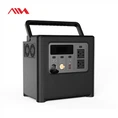
To give you a better idea of how these costs stack up, let's look at some of our products. We offer the 700W Solar Portable Power Station. This is a great option for smaller power needs, like powering a few camping appliances or providing backup power for a small room during an outage. It's relatively affordable and easy to transport.
Our SNE1000W Portable Power Station has a higher capacity and can handle more appliances. It's suitable for those who need a bit more power, maybe for a small home office or to run a few essential home appliances during a power cut.
And then there's the 900W Solar Portable Power Station, which combines a good amount of power with the ability to charge using solar energy. It's a great choice for those who want to be more energy - independent.
Return on Investment
When considering the cost of a home battery, it's important to think about the return on investment (ROI). If you're using the battery to store solar - generated electricity, you can save money on your electricity bills. You can use the stored energy during peak - rate hours when electricity from the grid is more expensive.
During power outages, a home battery can also save you from the inconvenience and potential losses associated with a lack of power. For example, you won't have to worry about your food spoiling in the fridge or your security system going down.
Making the Decision
So, how do you decide which home battery is right for you? First, assess your power needs. Think about what appliances you want to power during an outage and for how long. This will help you determine the right battery capacity.
Next, consider your budget. Look at the upfront cost, as well as the long - term costs like maintenance and replacement.
Finally, do your research. Read reviews, compare different brands and models, and talk to other homeowners who have installed home batteries.
Contact Us for Purchase and Consultation
If you're interested in purchasing a home battery or have any questions about the costs and options, don't hesitate to reach out. We're here to help you find the perfect home battery solution for your needs. Whether you're looking for a small, portable power station or a high - capacity home battery system, we've got you covered.
References
- Doe, John. "Home Battery Technologies and Costs." Energy Journal, 2022.
- Smith, Jane. "The Economics of Home Energy Storage." Power Review, 2023.