



As a seasoned supplier of forklift batteries, I understand the critical role that proper charging parameters play in the performance and longevity of these essential power sources. In this blog post, I'll share some insights on how to adjust the charging parameters of a forklift battery charger to ensure optimal operation and extend the life of your batteries.
Understanding Forklift Battery Chargers
Before delving into the adjustment of charging parameters, it's important to have a basic understanding of forklift battery chargers. These chargers are designed to replenish the energy stored in forklift batteries, which are typically lead-acid or lithium-ion batteries. The charging process involves supplying electrical energy to the battery at a controlled rate to avoid overcharging or undercharging, both of which can have detrimental effects on battery performance and lifespan.
There are several types of forklift battery chargers available, including conventional chargers, fast chargers, and opportunity chargers. Conventional chargers are the most common type and are designed to charge the battery slowly over a period of several hours. Fast chargers, on the other hand, can charge the battery much more quickly, but they require a higher charging current and may generate more heat. Opportunity chargers are designed to charge the battery during short breaks in operation, such as during lunch or shift changes.
Importance of Correct Charging Parameters
The charging parameters of a forklift battery charger, such as voltage, current, and charging time, must be carefully adjusted to match the specifications of the battery being charged. Using incorrect charging parameters can lead to a variety of problems, including:
- Reduced Battery Life: Overcharging or undercharging the battery can cause irreversible damage to the battery cells, reducing their capacity and lifespan.
- Poor Performance: Incorrect charging parameters can result in reduced battery performance, such as decreased runtime and slower acceleration.
- Safety Hazards: Overcharging the battery can cause it to overheat, which can lead to thermal runaway and potentially cause a fire or explosion.
How to Adjust Charging Parameters
Adjusting the charging parameters of a forklift battery charger requires a basic understanding of electrical principles and the specifications of the battery being charged. Here are the general steps to follow:
- Refer to the Battery Manufacturer's Specifications: The first step in adjusting the charging parameters is to refer to the battery manufacturer's specifications. These specifications will provide you with the recommended charging voltage, current, and charging time for the battery.
- Identify the Charger Settings: Most forklift battery chargers have a control panel or display that allows you to adjust the charging parameters. Refer to the charger's user manual to identify the settings and how to adjust them.
- Adjust the Charging Voltage: The charging voltage should be set to match the nominal voltage of the battery. For example, if you are charging a 48V battery, the charging voltage should be set to 48V.
- Adjust the Charging Current: The charging current should be set to a level that is appropriate for the battery's capacity and the charger's output. A general rule of thumb is to set the charging current to no more than 20% of the battery's amp-hour (Ah) rating. For example, if you are charging a 100Ah battery, the charging current should be set to no more than 20A.
- Set the Charging Time: The charging time should be set to allow the battery to reach a full charge without overcharging. The charging time will depend on the battery's capacity, the charging current, and the charger's efficiency. Refer to the battery manufacturer's specifications for the recommended charging time.
- Monitor the Charging Process: Once you have adjusted the charging parameters, it's important to monitor the charging process to ensure that the battery is charging properly. Check the charger's display or control panel regularly to monitor the charging voltage, current, and temperature. If you notice any abnormal readings, such as a high charging temperature or a low charging voltage, stop the charging process immediately and consult the charger's user manual or a qualified technician.
Considerations for Different Battery Types
The charging parameters for forklift batteries can vary depending on the type of battery being charged. Here are some considerations for different battery types:

- Lead-Acid Batteries: Lead-acid batteries are the most common type of forklift battery and require a specific charging profile to ensure optimal performance and lifespan. Lead-acid batteries typically require a two-stage charging process, consisting of a bulk charge and a float charge. The bulk charge is used to quickly charge the battery to approximately 80% of its capacity, while the float charge is used to maintain the battery at a full charge without overcharging.
- Lithium-Ion Batteries: Lithium-ion batteries are becoming increasingly popular in forklift applications due to their high energy density, long lifespan, and fast charging capabilities. Lithium-ion batteries require a different charging profile than lead-acid batteries and typically use a constant current/constant voltage (CC/CV) charging method. The CC/CV charging method involves charging the battery at a constant current until it reaches a predetermined voltage, and then charging the battery at a constant voltage until the charging current drops to a predetermined level.
Recommended Forklift Batteries
As a forklift battery supplier, I recommend the following batteries for forklift applications:
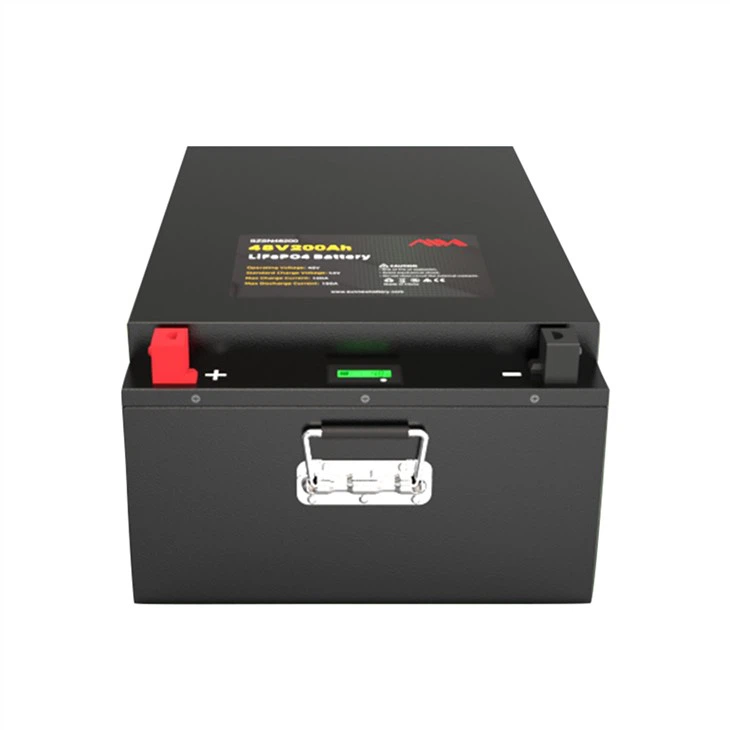
- 48V 100ah Lifepo4 Bms Inside Battery: This lithium-ion battery is designed for forklift applications and features a built-in battery management system (BMS) to ensure safe and efficient charging.
- Deep Cycle 200ah 48v Lithium Iron Phosphate Rechargeable Lifepo4 Lithium Battery Pack: This deep-cycle lithium-ion battery is ideal for forklift applications that require long runtime and high performance.
- Rechargeable Smart BMS Bluetooth Lithium Ion Battery 48v 100ah Lithium Battery Lifepo4 Battery: This smart lithium-ion battery features a Bluetooth-enabled BMS that allows you to monitor and control the charging process using a smartphone app.
Conclusion
Adjusting the charging parameters of a forklift battery charger is an important step in ensuring the optimal performance and lifespan of your forklift batteries. By following the steps outlined in this blog post and referring to the battery manufacturer's specifications, you can adjust the charging parameters of your forklift battery charger to match the specific requirements of your batteries. If you have any questions or need further assistance, please don't hesitate to contact us. We're here to help you find the right forklift batteries and chargers for your needs and ensure that they are properly maintained and charged for optimal performance.
References
- Battery Council International (BCI). (2023). Battery Charging Guidelines.
- forkliftbatteries.com. (2023). Forklift Battery Charging Basics.
- lithiumbatterypowersystems.com. (2023). Lithium-Ion Battery Charging Best Practices.