



As a seasoned forklift battery supplier, I've witnessed firsthand the pivotal role that battery cell balancing plays in the performance and longevity of forklift batteries. In this blog, I'll share my insights on how to balance the cells in a forklift battery, drawing from years of experience in the industry.
Understanding the Importance of Cell Balancing
Before delving into the methods of cell balancing, it's crucial to understand why it's so important. Forklift batteries are typically made up of multiple cells connected in series. Over time, these cells can become unbalanced due to factors such as uneven charging, discharging, and aging. When cells are unbalanced, some cells may become overcharged while others remain undercharged. This can lead to a range of issues, including reduced battery capacity, shorter battery life, and even safety hazards.
Balancing the cells in a forklift battery ensures that each cell is charged and discharged evenly, maximizing the battery's performance and lifespan. It also helps to prevent overcharging and overheating, which can damage the battery and pose a risk to operators.
Types of Forklift Batteries and Their Balancing Requirements
There are two main types of forklift batteries: lead-acid batteries and lithium-ion batteries. Each type has its own unique characteristics and balancing requirements.
Lead-Acid Batteries
Lead-acid batteries are the most common type of forklift battery. They are relatively inexpensive, reliable, and have a long history of use in the industry. However, lead-acid batteries require regular maintenance, including cell balancing, to ensure optimal performance.
Lead-acid batteries are typically balanced using a process called equalization charging. This involves applying a higher voltage to the battery for a short period of time to bring all the cells to the same state of charge. Equalization charging should be performed regularly, typically every 20-30 charging cycles, to prevent cell imbalance.
Lithium-Ion Batteries
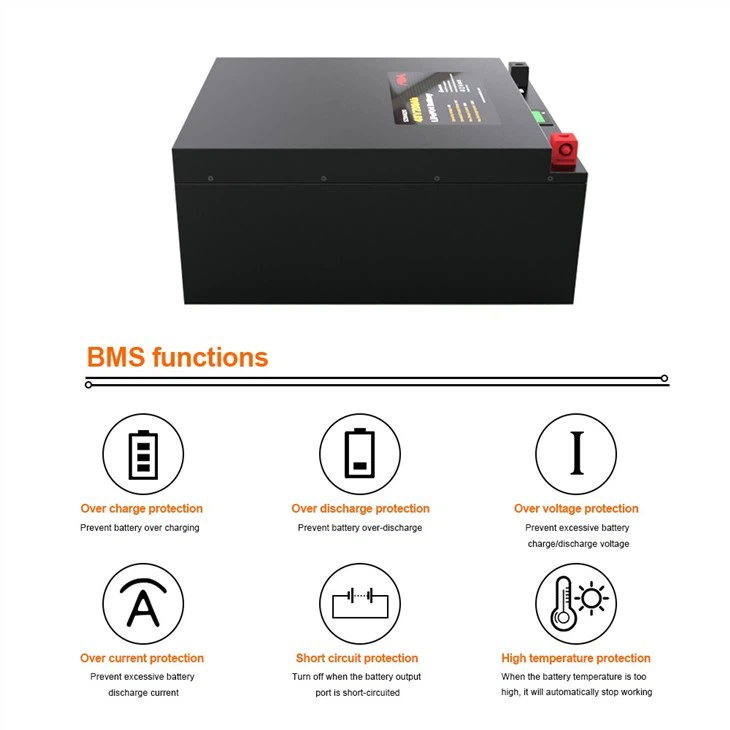
Lithium-ion batteries are becoming increasingly popular in the forklift industry due to their high energy density, long lifespan, and low maintenance requirements. Unlike lead-acid batteries, lithium-ion batteries do not require equalization charging. Instead, they are typically balanced using a battery management system (BMS).
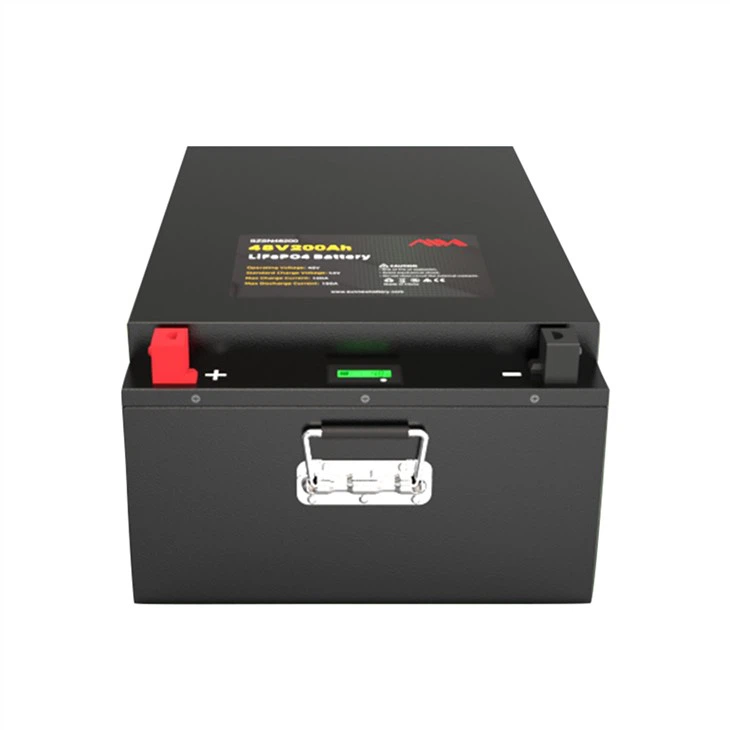
A BMS is an electronic device that monitors and controls the charging and discharging of a lithium-ion battery. It ensures that each cell in the battery is charged and discharged evenly, preventing overcharging and overheating. The BMS also provides protection against short circuits, overcurrent, and other safety hazards.
Methods of Balancing Cells in a Forklift Battery
Manual Balancing
Manual balancing is the most basic method of balancing cells in a forklift battery. It involves using a hydrometer or a voltmeter to measure the state of charge of each cell and then adjusting the charging or discharging of the battery accordingly. Manual balancing is a time-consuming and labor-intensive process, and it requires a high level of skill and experience.
Automatic Balancing
Automatic balancing is a more advanced method of balancing cells in a forklift battery. It involves using a battery charger or a BMS to automatically monitor and adjust the charging and discharging of the battery. Automatic balancing is more efficient and accurate than manual balancing, and it requires less skill and experience.
Passive Balancing
Passive balancing is a type of automatic balancing that uses resistors to equalize the voltage of each cell in a battery. When a cell becomes overcharged, the resistor dissipates the excess energy as heat, bringing the cell's voltage back to the same level as the other cells. Passive balancing is a simple and cost-effective method of balancing cells, but it can be slow and inefficient.
Active Balancing
Active balancing is a more advanced type of automatic balancing that uses electronic circuits to transfer energy from one cell to another. When a cell becomes overcharged, the active balancing circuit transfers the excess energy to a cell that is undercharged, bringing all the cells to the same state of charge. Active balancing is faster and more efficient than passive balancing, but it is also more expensive.
Best Practices for Balancing Cells in a Forklift Battery
Follow the Manufacturer's Recommendations
The first step in balancing the cells in a forklift battery is to follow the manufacturer's recommendations. Each battery has its own unique characteristics and balancing requirements, and the manufacturer's recommendations will ensure that you are using the correct method and equipment for your battery.
Use a Quality Battery Charger
Using a quality battery charger is essential for balancing the cells in a forklift battery. A good charger will have the ability to monitor and adjust the charging process to ensure that each cell is charged evenly. It should also have built-in safety features to prevent overcharging and overheating.
Monitor the Battery Regularly
Regular monitoring of the battery is essential for detecting and correcting cell imbalance. You should check the state of charge of each cell using a hydrometer or a voltmeter on a regular basis. If you notice any signs of cell imbalance, such as a significant difference in voltage or specific gravity between cells, you should take immediate action to balance the cells.
Perform Equalization Charging as Needed
If you are using a lead-acid battery, you should perform equalization charging regularly to prevent cell imbalance. Equalization charging should be performed according to the manufacturer's recommendations, typically every 20-30 charging cycles.
Consider Using a Battery Management System
If you are using a lithium-ion battery, you should consider using a battery management system (BMS) to balance the cells. A BMS will automatically monitor and adjust the charging and discharging of the battery to ensure that each cell is charged and discharged evenly. It will also provide protection against overcharging, overheating, and other safety hazards.
Conclusion
Balancing the cells in a forklift battery is essential for maximizing the battery's performance and lifespan. By understanding the different types of forklift batteries and their balancing requirements, and by following the best practices outlined in this blog, you can ensure that your forklift battery is operating at its best.
At our company, we offer a wide range of high-quality forklift batteries, including Deep Cycle 200ah 48v Lithium Iron Phosphate Rechargeable Lifepo4 Lithium Battery Pack, 48V 100ah Lifepo4 Bms Inside Battery, and Deep Cycle 48V 200ah EV Battery. Our batteries are designed to provide reliable performance and long service life, and we offer comprehensive support and maintenance services to ensure that your batteries are always in top condition.
If you have any questions about forklift battery balancing or if you are interested in purchasing a new forklift battery, please don't hesitate to contact us. We would be happy to discuss your needs and provide you with a customized solution.
References
- Battery University. (n.d.). How to Balance Lithium-Ion Batteries. Retrieved from https://batteryuniversity.com/learn/article/how_to_balance_lithium_ion_batteries
- Forklift Action. (n.d.). Forklift Battery Maintenance: Balancing Cells. Retrieved from https://www.forkliftsafety.com/forklift-battery-maintenance-balancing-cells/
- Industrial Battery Solutions. (n.d.). Cell Balancing in Forklift Batteries. Retrieved from https://www.industrialbatterysolutions.com/cell-balancing-in-forklift-batteries/