



Hey there! As an AGV battery supplier, I've been getting a bunch of questions about how to check the electrolyte level in a lead - acid AGV battery. So, I thought I'd put together this blog to share some tips and tricks on this topic.
First off, let's talk about why checking the electrolyte level is so important. The electrolyte in a lead - acid battery is a mixture of sulfuric acid and water. It plays a crucial role in the battery's chemical reactions that generate electricity. If the electrolyte level gets too low, it can lead to a bunch of problems like reduced battery capacity, shorter battery life, and even permanent damage to the battery.
Now, before you start checking the electrolyte level, make sure you take some safety precautions. Lead - acid batteries contain sulfuric acid, which is highly corrosive. So, you'll want to wear some protective gear like gloves and safety glasses. Also, make sure you're working in a well - ventilated area to avoid inhaling any harmful fumes.
Step 1: Locate the Battery and Remove the Caps
The first thing you need to do is find the lead - acid AGV battery. Usually, it's located in a specific compartment on the AGV. Once you've found it, carefully remove the caps on top of the battery cells. These caps are there to prevent the electrolyte from spilling out and to allow for ventilation. Some batteries have individual caps for each cell, while others might have a single cap that covers multiple cells.
Step 2: Check the Electrolyte Level
There are a few ways to check the electrolyte level. One of the simplest ways is to use the built - in level indicators. Some lead - acid batteries come with a clear plastic indicator on the side that shows the electrolyte level. If the level is below the minimum mark, it means you need to add some distilled water.
If your battery doesn't have a built - in indicator, you can use a hydrometer. A hydrometer is a tool that measures the specific gravity of the electrolyte. To use it, you'll need to draw some electrolyte from the battery cell into the hydrometer. The specific gravity reading can tell you a lot about the state of the battery, including the electrolyte level. A normal specific gravity reading for a fully charged lead - acid battery is around 1.265 - 1.280 at 25°C (77°F). If the reading is lower than this, it could indicate a low electrolyte level or a discharged battery.
Another way to check the level is by visually inspecting the cells. Look inside the battery cell through the opening where you removed the cap. You should see the electrolyte covering the lead plates. If the plates are exposed, it's a clear sign that the electrolyte level is too low.
Step 3: Adding Distilled Water (if necessary)
If you've determined that the electrolyte level is low, you'll need to add some distilled water. Do not use tap water, as it contains minerals and impurities that can damage the battery. Slowly pour the distilled water into the battery cell until the electrolyte level reaches the recommended level. Usually, the recommended level is just above the top of the lead plates.
Step 4: Replace the Caps and Clean Up
Once you've added the distilled water and the electrolyte level is correct, carefully replace the caps on the battery cells. Make sure they're tightened properly to prevent any spills. Then, clean up any spills or drips of electrolyte using a solution of baking soda and water. This will neutralize the acid and prevent corrosion.
Now, I also want to mention some of the products we offer as an AGV battery supplier. We have a great Cleaning Equipment Battery Pack 24V 50ah that's perfect for all kinds of cleaning equipment. It provides reliable power and long - lasting performance.
If you're into sweeper robots, our Sweeper Robot 24V 100ah Lifepo4 Battery is a great choice. Lifepo4 batteries are known for their high energy density, long cycle life, and safety features.
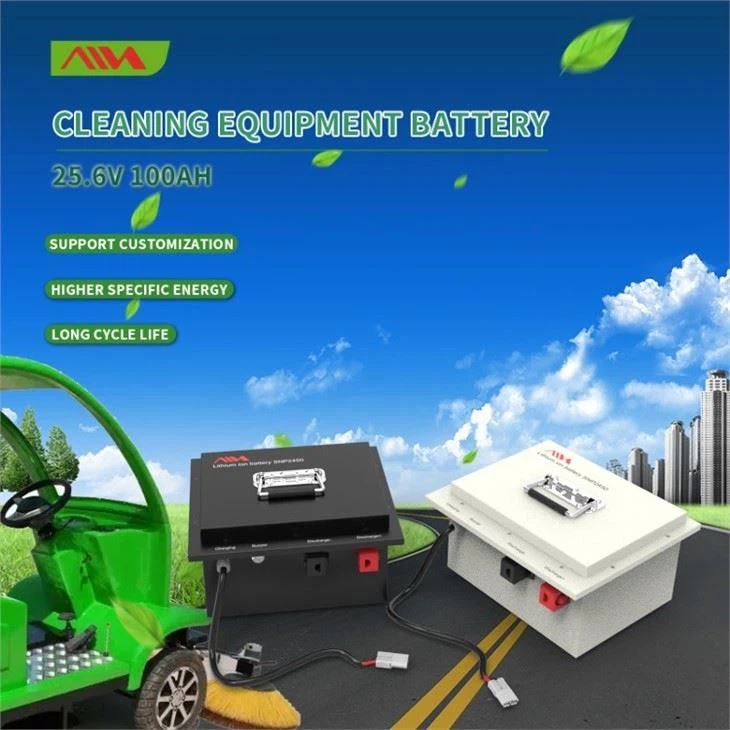
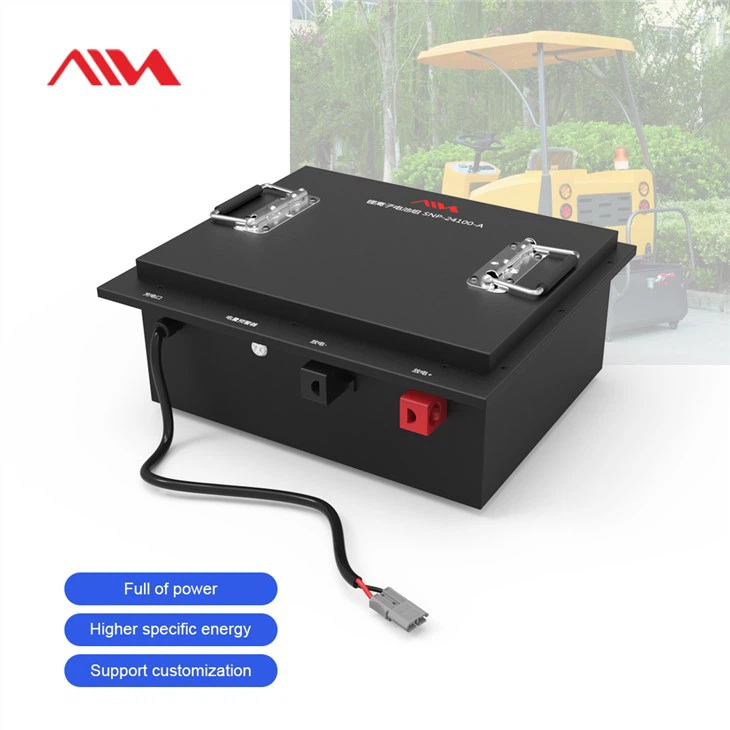
And for those who use golf carts, we have the Golf Cart EV Battery 24V 100Ah Rechargeable Deep Cycle Lithium Iron Phosphate LiFePO4 Batteries. These batteries are designed to handle the deep cycling requirements of golf carts and provide a smooth and efficient power supply.
If you're interested in any of our products or have more questions about lead - acid AGV batteries, don't hesitate to reach out to us. We're always here to help you with your battery needs and can offer great deals for bulk purchases. Whether you're a small business owner or a large - scale industrial user, we've got the right battery solutions for you.
References
- Battery University: A great resource for all things related to batteries, including lead - acid batteries.
- Manufacturer's manuals: Always refer to the battery manufacturer's manual for specific instructions on checking the electrolyte level and maintaining the battery.