


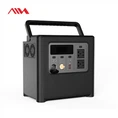
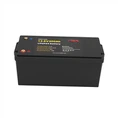

Hey there! As a backup battery supplier, I often get asked about how to determine the actual capacity of a backup battery. It's a crucial question, especially for those who rely on these batteries to keep their devices running during power outages or when they're off the grid. In this blog post, I'll share some tips and tricks to help you figure out the real capacity of your backup battery.
Understanding Battery Capacity
First things first, let's talk about what battery capacity actually means. Battery capacity is typically measured in ampere-hours (Ah) or watt-hours (Wh). Ampere-hours tell you how much current a battery can supply over a certain period of time, while watt-hours take into account the voltage of the battery as well. For example, a 12V battery with a capacity of 100Ah can theoretically supply 1200Wh of energy (12V x 100Ah = 1200Wh).
However, it's important to note that the actual capacity of a battery may be different from its rated capacity. There are several factors that can affect the real capacity of a battery, including:
- Age and usage: As a battery gets older and is used more frequently, its capacity will gradually decrease.
- Temperature: Extreme temperatures can also have a significant impact on battery capacity. High temperatures can cause the battery to degrade faster, while low temperatures can reduce its ability to deliver power.
- Charging and discharging rates: Charging and discharging a battery too quickly can also reduce its capacity over time.
Testing the Battery Capacity
So, how can you determine the actual capacity of a backup battery? There are a few different methods you can use, depending on the type of battery and the equipment you have available.
Method 1: Using a Battery Load Tester
One of the easiest ways to test the capacity of a battery is to use a battery load tester. A battery load tester is a device that applies a load to the battery and measures its voltage and current output. By comparing the battery's voltage and current output under load to its rated capacity, you can get an idea of how much energy it can actually deliver.
To use a battery load tester, follow these steps:
- Make sure the battery is fully charged.
- Connect the battery load tester to the battery according to the manufacturer's instructions.
- Apply a load to the battery using the load tester. The load should be equal to or slightly less than the battery's rated capacity.
- Monitor the battery's voltage and current output using the load tester. The voltage should remain relatively stable during the test, while the current should gradually decrease as the battery discharges.
- Once the battery's voltage drops to a certain level (usually around 10.5V for a 12V battery), stop the test and record the total amount of energy delivered by the battery.
The total amount of energy delivered by the battery during the test is its actual capacity. You can compare this value to the battery's rated capacity to see how well it's performing.
Method 2: Using a Multimeter
If you don't have a battery load tester, you can also use a multimeter to test the capacity of a battery. A multimeter is a device that can measure voltage, current, and resistance. By measuring the battery's voltage and current output under load, you can calculate its actual capacity.
To use a multimeter to test the capacity of a battery, follow these steps:


- Make sure the battery is fully charged.
- Connect a load to the battery. The load should be equal to or slightly less than the battery's rated capacity.
- Use the multimeter to measure the battery's voltage and current output under load. Make sure to measure the voltage across the battery terminals and the current flowing through the load.
- Calculate the battery's actual capacity using the following formula:
Actual capacity (Wh) = Voltage (V) x Current (A) x Time (h)
For example, if the battery's voltage is 12V, the current flowing through the load is 10A, and the battery discharges for 1 hour, the actual capacity of the battery is 120Wh (12V x 10A x 1h = 120Wh).
Method 3: Using a Battery Analyzer
A battery analyzer is a more advanced device that can provide detailed information about the performance of a battery. A battery analyzer can measure the battery's voltage, current, capacity, internal resistance, and other parameters. By analyzing this data, you can get a better understanding of the battery's health and performance.
To use a battery analyzer, follow these steps:
- Make sure the battery is fully charged.
- Connect the battery analyzer to the battery according to the manufacturer's instructions.
- Run a test on the battery using the battery analyzer. The test may take several hours to complete, depending on the type of battery and the test settings.
- Once the test is complete, the battery analyzer will provide a detailed report on the battery's performance. The report will include information such as the battery's actual capacity, internal resistance, and state of health.
Choosing the Right Backup Battery
Now that you know how to determine the actual capacity of a backup battery, it's important to choose the right battery for your needs. When choosing a backup battery, there are several factors you should consider, including:
- Capacity: The capacity of the battery should be sufficient to meet your power needs. Consider how many devices you need to power and for how long.
- Voltage: The voltage of the battery should match the voltage requirements of your devices. Most portable devices operate on 5V or 12V, while larger appliances may require 24V or 48V.
- Chemistry: There are several different types of battery chemistries available, including lead-acid, lithium-ion, and nickel-metal hydride. Each type of battery has its own advantages and disadvantages, so choose the one that best suits your needs.
- Size and weight: If you need to transport the battery, consider its size and weight. Portable batteries are typically smaller and lighter, while larger batteries may be more suitable for stationary applications.
At our company, we offer a wide range of backup batteries to meet the needs of our customers. Whether you're looking for a 800W Portable Generator For Outdoor Camping, a 700W Portable Generator For Outdoor Camping, or a Sunnew 2304Wh High Capacity Lithium Iron Battery Accessories Solar Charging 800W Quick Charge Portable Power Station, we have the perfect solution for you.
Conclusion
Determining the actual capacity of a backup battery is an important step in ensuring that it can meet your power needs. By using the methods outlined in this blog post, you can test the capacity of your battery and choose the right one for your needs. If you have any questions or need help choosing a backup battery, please don't hesitate to contact us. We're here to help you find the perfect solution for your power needs.
References
- Battery University: https://batteryuniversity.com/
- Energy.gov: https://www.energy.gov/
- National Renewable Energy Laboratory: https://www.nrel.gov/