


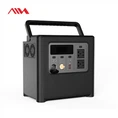
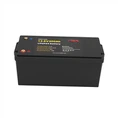

As a wall mount battery supplier, I've witnessed firsthand the increasing popularity of these energy storage solutions. They offer a convenient and efficient way to store excess energy generated by solar panels or other renewable sources, providing a reliable power backup for homes and businesses. However, as with any battery technology, proper disposal is crucial to protect the environment and human health. In this blog post, I'll share some essential tips on how to dispose of a wall mount battery properly.
Understanding the Types of Wall Mount Batteries
Before diving into the disposal methods, it's important to understand the different types of wall mount batteries available on the market. The most common types include lithium-ion (Li-ion), lead-acid, and nickel-metal hydride (NiMH) batteries. Each type has its own unique composition and disposal requirements.
- Lithium-ion Batteries: These are the most popular type of wall mount batteries due to their high energy density, long lifespan, and low self-discharge rate. They are commonly used in applications such as solar energy storage systems, electric vehicles, and portable electronics. Li-ion batteries typically contain lithium, cobalt, nickel, and other metals, which can be hazardous if not disposed of properly. Sunnew Power Wall Lithium Ion Battery Lifepo4 Batteries 48V 51.2V 50AH Lifepo4 Power Battery is an example of a high-quality Li-ion wall mount battery.
- Lead-acid Batteries: These are the oldest and most widely used type of rechargeable batteries. They are commonly used in applications such as uninterruptible power supplies (UPS), emergency lighting systems, and automotive batteries. Lead-acid batteries contain lead and sulfuric acid, which are both toxic substances. Improper disposal of lead-acid batteries can contaminate soil, water, and air, posing a significant risk to human health and the environment.
- Nickel-metal Hydride Batteries: These are a type of rechargeable battery that uses a hydrogen-absorbing alloy as the negative electrode and a nickel hydroxide electrode as the positive electrode. They are commonly used in applications such as hybrid electric vehicles, cordless power tools, and portable electronics. NiMH batteries contain nickel, cobalt, and other metals, which can be recycled and reused. 51.2V 200Ah LiFePO4 Floor Type Power System is an alternative option to NiMH batteries.
Why Proper Disposal is Important
Proper disposal of wall mount batteries is essential for several reasons. Firstly, these batteries contain hazardous materials such as heavy metals and chemicals, which can leach into the environment if not disposed of properly. These pollutants can contaminate soil, water, and air, posing a significant risk to human health and the ecosystem. For example, lead exposure can cause neurological damage, especially in children, while mercury can accumulate in the body and cause serious health problems.
Secondly, improper disposal of batteries can also lead to safety hazards. For instance, damaged or malfunctioning batteries can overheat, explode, or catch fire, posing a risk to people and property. By following proper disposal procedures, you can minimize the risk of these safety hazards and ensure the safe handling of batteries.
Finally, recycling batteries can help conserve natural resources and reduce the environmental impact of battery production. Many of the materials used in batteries, such as lithium, cobalt, and nickel, are finite resources that are becoming increasingly scarce. By recycling these materials, we can reduce the need for mining and extraction, which can have a significant environmental impact.
How to Dispose of Wall Mount Batteries Properly
Now that we understand the importance of proper battery disposal, let's look at the steps you can take to dispose of your wall mount battery safely and responsibly.
1. Check Local Regulations
The first step in proper battery disposal is to check your local regulations. Different countries, states, and municipalities have different rules and guidelines regarding battery disposal. Some areas may have specific collection programs or facilities for recycling batteries, while others may require you to dispose of them at a designated hazardous waste disposal site. By familiarizing yourself with the local regulations, you can ensure that you are disposing of your battery in compliance with the law.
2. Determine the Battery Type
As mentioned earlier, different types of batteries have different disposal requirements. Before disposing of your wall mount battery, you need to determine its type. You can usually find this information on the battery label or packaging. Once you know the battery type, you can follow the appropriate disposal method.
3. Discharge the Battery
Before disposing of a wall mount battery, it's important to discharge it completely. This helps to reduce the risk of fire or explosion during transportation and disposal. You can discharge the battery by using it until it is completely depleted or by using a battery discharger. Make sure to follow the manufacturer's instructions when discharging the battery to avoid damaging it.
4. Find a Recycling Center
Once you have discharged the battery, the next step is to find a recycling center that accepts wall mount batteries. You can check with your local government or environmental agency to find a list of authorized recycling centers in your area. Many retailers and manufacturers also offer battery recycling programs, so you can check with them as well. When choosing a recycling center, make sure it is licensed and certified to handle hazardous waste.

5. Prepare the Battery for Recycling
Before taking the battery to the recycling center, you need to prepare it for transportation. Make sure the battery is properly packaged to prevent damage and leakage. You can use a sturdy box or container and cushion the battery with foam or other protective materials. Label the package clearly as "Battery - For Recycling" to ensure proper handling.
6. Transport the Battery Safely
When transporting the battery to the recycling center, make sure to follow all safety precautions. Keep the battery upright and secure to prevent it from tipping over or moving around. Avoid exposing the battery to extreme temperatures or moisture, as this can damage the battery and increase the risk of fire or explosion. If you are transporting multiple batteries, make sure to separate them to prevent short circuits.
7. Recycle the Battery
Once you have arrived at the recycling center, the battery will be processed to recover the valuable materials. The recycling process typically involves separating the different components of the battery, such as the metals, plastics, and electrolytes. The metals are then melted down and refined to be used in the production of new batteries or other products. By recycling your wall mount battery, you are not only helping to protect the environment but also conserving natural resources.
Additional Tips for Battery Disposal
In addition to the steps outlined above, here are some additional tips to help you dispose of your wall mount battery properly:
- Avoid Mixing Batteries: Different types of batteries have different chemical compositions and disposal requirements. Mixing batteries can make it difficult to recycle them properly and can also increase the risk of fire or explosion. Make sure to separate your batteries by type before disposing of them.
- Do Not Throw Batteries in the Trash: Throwing batteries in the trash is not only illegal in many areas but also poses a significant environmental risk. Batteries can leak hazardous materials into the landfill, contaminating the soil and groundwater. Always dispose of your batteries at a designated recycling center or hazardous waste disposal site.
- Store Batteries Properly: If you need to store your batteries before recycling them, make sure to store them in a cool, dry place. Avoid storing batteries in direct sunlight or near heat sources, as this can cause the batteries to overheat and increase the risk of fire or explosion.
- Educate Others: Spread the word about the importance of proper battery disposal and encourage others to recycle their batteries. By working together, we can make a significant impact on the environment and help to create a more sustainable future.
Conclusion
Proper disposal of wall mount batteries is essential for protecting the environment and human health. By following the steps outlined in this blog post, you can ensure that your battery is disposed of safely and responsibly. Remember to check your local regulations, determine the battery type, discharge the battery, find a recycling center, prepare the battery for recycling, transport the battery safely, and recycle the battery. By taking these steps, you are not only doing your part to protect the environment but also conserving natural resources and reducing the environmental impact of battery production.
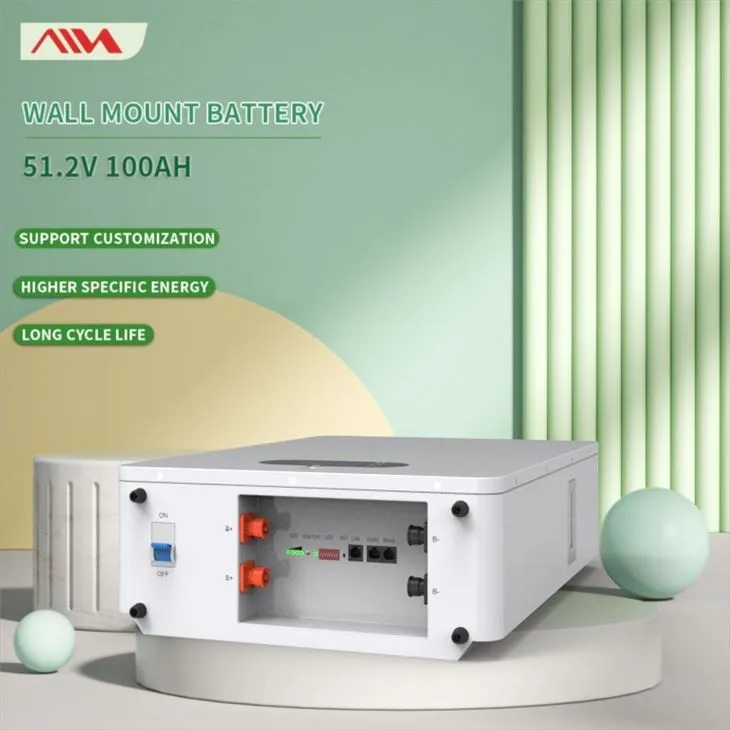
If you're in the market for a high-quality wall mount battery, we offer a wide range of products to meet your needs. 5kwh Tesla Wall Mounted 51.2V 100AH Battery and other models in our inventory are designed to provide reliable energy storage solutions for homes and businesses. If you have any questions or would like to learn more about our products, please don't hesitate to contact us. We're always happy to help you find the right battery for your needs.
References
- U.S. Environmental Protection Agency. (n.d.). Battery Recycling. Retrieved from https://www.epa.gov/recycle/battery-recycling
- International Lead Association. (n.d.). Lead Batteries: Recycling. Retrieved from https://www.lead.org.uk/lead-batteries-recycling
- Nickel Institute. (n.d.). Nickel-metal Hydride (NiMH) Batteries. Retrieved from https://www.nickelinstitute.org/technology-batteries-nimh