




Hey there! As a UPS battery supplier, I've seen my fair share of battery issues, and one of the most important things you gotta know is how to equalize a UPS battery. Equalizing a battery is like giving it a little health check - up and a boost to keep it performing at its best. So, let's dive right into it!
What is Battery Equalization?
First off, what the heck is battery equalization? Well, when you've got a bunch of batteries connected in a UPS system, over time, they can start to act a little differently from each other. Some might charge faster, some slower, and some might even lose capacity quicker. Battery equalization is a process where you apply a higher - than - normal charge voltage to the batteries for a set period. This helps to balance out the state of charge among all the batteries in the bank, ensuring they're all on the same page.
Why is Equalization Important?
You might be wondering, "Why do I even need to equalize my UPS batteries?" Good question! When batteries in a UPS system aren't equalized regularly, it can lead to a bunch of problems. Unequal batteries can cause some to over - charge while others under - charge. Over - charging can lead to excessive gassing, water loss, and even damage to the battery plates. Under - charging, on the other hand, can cause sulfation, where lead sulfate crystals build up on the battery plates, reducing the battery's capacity and lifespan.
By equalizing your UPS batteries, you can extend their overall lifespan, improve their performance, and ensure that your UPS system is reliable when you need it most. Whether it's during a power outage at your home office or in a critical data center, having well - equalized batteries can make all the difference.
When to Equalize UPS Batteries?
Now, you're probably thinking, "When should I equalize my UPS batteries?" There are a few signs that it might be time for an equalization charge. If you notice that the voltage of individual batteries in your UPS system varies significantly, that's a red flag. Also, if your batteries seem to be losing capacity faster than normal or if you're having to replace batteries more frequently, equalization could be the solution.
As a general rule of thumb, it's a good idea to equalize your UPS batteries every 6 to 12 months. However, this can vary depending on the type of batteries you're using, how often they're discharged, and the operating conditions.
How to Equalize a UPS Battery
Alright, let's get into the nitty - gritty of how to equalize a UPS battery. Before you start, make sure you've got the right tools and safety equipment. You'll need a battery charger that's capable of providing the higher charge voltage required for equalization, a voltmeter to measure the battery voltage, and some protective gear like gloves and goggles.
- Isolate the UPS System: First things first, you need to isolate the UPS system from the power source. This means turning off the UPS and disconnecting it from the electrical outlet. You also want to make sure that any connected devices are powered down safely.
- Check the Battery Water Level: If you're using flooded lead - acid batteries, check the water level in each cell. If the water level is low, add distilled water to bring it up to the recommended level. This is important because during the equalization process, the batteries will generate gas, and having the right water level helps prevent damage.
- Connect the Charger: Connect the battery charger to the batteries according to the charger's instructions. Make sure the charger is set to the equalization charge mode. The equalization voltage for lead - acid batteries is typically around 2.5 to 2.7 volts per cell.
- Monitor the Charging Process: Once the charger is connected, start the equalization charge. Keep a close eye on the battery voltage and temperature. You don't want the batteries to overheat, so if the temperature starts to rise too much, you might need to reduce the charge current or stop the process temporarily.
- Check for Gassing: As the batteries charge, you'll notice some gassing. This is normal during equalization. However, if the gassing is excessive or if you smell a strong sulfur odor, it could be a sign of a problem. In this case, stop the charging process and check the batteries for any signs of damage.
- End the Equalization Charge: The equalization charge usually takes several hours, depending on the size and type of the batteries. Once the batteries have reached the recommended equalization voltage and have been charging for the required time, turn off the charger and disconnect it from the batteries.
- Reconnect the UPS System: After the equalization charge is complete, reconnect the UPS system to the power source and turn it on. Check the battery voltage again to make sure it's within the normal range.
Other Considerations
When equalizing UPS batteries, there are a few other things you should keep in mind. Different types of batteries, like sealed lead - acid batteries and lithium - ion batteries, have different equalization requirements. For example, sealed lead - acid batteries may not require equalization as often as flooded lead - acid batteries, and lithium - ion batteries may not need equalization at all.
Also, make sure you follow the manufacturer's recommendations for your specific UPS system and batteries. They'll have the most accurate information on how to properly equalize your batteries.
Related Products
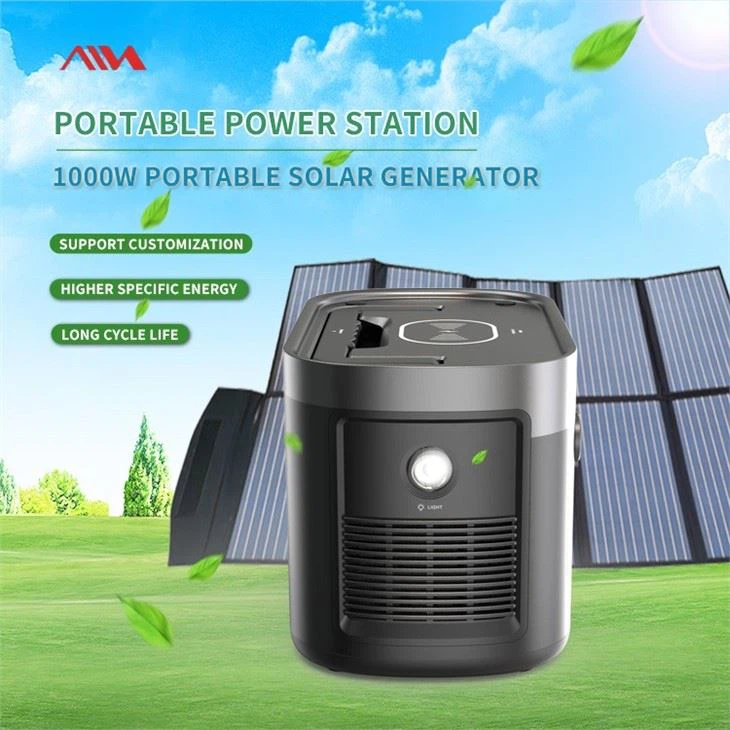
If you're looking for additional power solutions, we've got some great options. Check out our 1000W Portable Generator For Outdoor Camping, which is perfect for those outdoor adventures. And if you're into solar power, our 1000W Solar Portable Power Station and 900W Solar Portable Power Station are great choices to keep your devices charged on the go.
Contact for Procurement
If you're interested in purchasing UPS batteries or have any questions about battery equalization, don't hesitate to reach out. We're here to help you find the best battery solutions for your needs. Whether you're a small business owner or managing a large data center, we've got the expertise and products to keep your power running smoothly.

References
- Battery University: A comprehensive resource for battery knowledge and best practices.
- Manufacturer's manuals for UPS systems and batteries.
So, there you have it - everything you need to know about how to equalize a UPS battery. By following these steps and keeping up with regular maintenance, you can ensure that your UPS batteries stay in top shape and provide reliable power when you need it.