


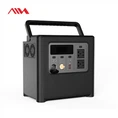
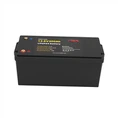

As a forklift battery supplier, I've witnessed firsthand the significant impact a well - maintained battery can have on a forklift's performance and the overall efficiency of a warehouse or industrial operation. Forklift batteries are a substantial investment, and extending their lifespan is not only cost - effective but also environmentally friendly. In this blog, I'll share some valuable tips on how to extend the life of a forklift battery.
1. Proper Charging Practices
Charging is one of the most critical aspects of forklift battery maintenance. Incorrect charging can lead to premature battery failure.
Follow the Manufacturer's Instructions
Each forklift battery comes with specific charging guidelines from the manufacturer. These guidelines are based on the battery's chemistry, capacity, and design. For example, lead - acid batteries and lithium - ion batteries have different charging requirements. Ignoring these instructions can result in overcharging, undercharging, or overheating, all of which can damage the battery.
Avoid Overcharging
Overcharging is a common cause of battery degradation. When a battery is overcharged, it can lead to excessive gassing, which causes water loss in lead - acid batteries. In lithium - ion batteries, overcharging can cause the battery to overheat and potentially lead to thermal runaway. To prevent overcharging, use a charger with a built - in charge controller that can automatically stop the charging process when the battery is fully charged.
Charge at the Right Time
It's best to charge the forklift battery after each shift or when the state of charge (SOC) drops to around 20 - 30%. Avoid letting the battery discharge completely, as deep discharges can be harmful, especially for lead - acid batteries. Regular, partial discharges followed by timely charging can help maintain the battery's health.
If you're looking for high - quality batteries that are designed for efficient charging, check out our Deep Cycle 48V 200ah EV Battery. This battery is built to handle regular charging cycles and provide reliable power for your forklift.
2. Regular Maintenance
Regular maintenance is essential for extending the life of a forklift battery.
Watering (for Lead - Acid Batteries)
Lead - acid batteries require regular watering to replace the water lost during the charging process. Check the water level in the battery cells at least once a week. Use distilled water to top up the cells, as tap water may contain impurities that can contaminate the battery. Make sure the water level is above the plates but below the maximum level indicator.
Cleaning
Keep the battery clean and free of dirt, dust, and corrosion. Corrosion on the battery terminals can impede the flow of electricity and cause overheating. Use a mixture of baking soda and water to clean the terminals and cables. After cleaning, apply a thin layer of petroleum jelly to the terminals to prevent future corrosion.
Inspection
Regularly inspect the battery for any signs of damage, such as cracks in the battery case, loose connections, or bulging cells. If you notice any issues, address them immediately. A damaged battery should be repaired or replaced to avoid further problems.
3. Temperature Management
Temperature has a significant impact on the performance and lifespan of a forklift battery.
Avoid Extreme Temperatures
Both high and low temperatures can be detrimental to battery health. High temperatures can accelerate the chemical reactions inside the battery, leading to faster degradation. Low temperatures can reduce the battery's capacity and increase its internal resistance, making it harder to charge and discharge.
Provide Adequate Ventilation
When charging a forklift battery, especially lead - acid batteries, they produce hydrogen gas. Adequate ventilation is necessary to prevent the buildup of hydrogen gas, which is flammable. Install the battery charging area in a well - ventilated space and ensure that there are no sources of ignition nearby.
Use Temperature - Controlled Storage
If possible, store the forklift battery in a temperature - controlled environment. This can help maintain the battery's performance and extend its lifespan. For example, storing the battery at a moderate temperature (around 20 - 25°C) is ideal.
4. Correct Battery Sizing
Using the correct battery size for your forklift is crucial. An undersized battery may not be able to provide enough power for the forklift's operations, leading to frequent deep discharges and premature failure. An oversized battery can be more expensive and may not fit properly in the forklift.
Consult the Forklift Manufacturer
The forklift manufacturer can provide recommendations on the appropriate battery size based on the forklift's load capacity, operating conditions, and usage patterns. Consider factors such as the average lift height, the distance the forklift needs to travel, and the frequency of use when selecting a battery.
Choose the Right Chemistry
As mentioned earlier, lead - acid and lithium - ion batteries have different characteristics. Lead - acid batteries are more affordable upfront but require more maintenance. Lithium - ion batteries are more expensive but offer longer lifespans, faster charging times, and higher energy density. Evaluate your specific needs and budget to choose the right battery chemistry. Our Deep Cycle 200ah 48v Lithium Iron Phosphate Rechargeable Lifepo4 Lithium Battery Pack is a great option for those looking for a long - lasting, high - performance lithium - ion battery.
5. Operator Training
Operators play a crucial role in the lifespan of a forklift battery.


Train Operators on Proper Use
Train forklift operators on how to operate the forklift in a way that minimizes battery stress. This includes avoiding rapid acceleration and deceleration, which can cause sudden spikes in power demand. Encourage operators to use the forklift's regenerative braking feature, if available, as it can help recharge the battery during braking.
Educate on Battery Care
Make sure operators are aware of the importance of battery care. Teach them how to check the battery's state of charge, how to report any issues with the battery, and how to follow the proper charging and maintenance procedures.
6. Use of Battery Management Systems (BMS)
A Battery Management System (BMS) is a crucial component for maintaining the health of a forklift battery, especially for lithium - ion batteries.
Monitor Battery Parameters
A BMS can monitor various battery parameters such as voltage, current, temperature, and state of charge. It can provide real - time information about the battery's health and performance. This data can be used to detect any potential issues early and take corrective actions.
Protect the Battery
A BMS can protect the battery from overcharging, over - discharging, over - current, and short - circuits. It acts as a safeguard for the battery, ensuring that it operates within safe limits. Our Rechargeable Smart BMS Bluetooth Lithium Ion Battery 48v 100ah Lithium Battery Lifepo4 Battery comes with a smart BMS that provides advanced battery protection and monitoring features.
In conclusion, extending the life of a forklift battery requires a combination of proper charging practices, regular maintenance, temperature management, correct battery sizing, operator training, and the use of battery management systems. By following these tips, you can significantly increase the lifespan of your forklift battery, reduce operating costs, and improve the efficiency of your operations.
If you're interested in purchasing high - quality forklift batteries or need more information about battery maintenance, feel free to contact us. We're here to help you find the best battery solutions for your needs.
References
- Battery Council International (BCI). "Battery Maintenance Guidelines."
- Forklift Manufacturer's Manuals.
- Lithium - Ion Battery Association. "Best Practices for Lithium - Ion Battery Use and Maintenance."