



In the realm of battery technology, AGM (Absorbent Glass Mat) and GEL batteries have long been stalwarts, powering a wide range of applications from automotive to renewable energy systems. However, one persistent challenge that has plagued these batteries is self - discharge. Self - discharge refers to the gradual loss of charge in a battery when it is not in use. This phenomenon can significantly reduce the battery's shelf - life and its readiness for operation when needed. As an AGM GEL battery supplier, we understand the importance of addressing this issue to provide our customers with high - performance and reliable batteries. In this blog post, we will explore various strategies to improve the self - discharge performance of AGM GEL batteries.
Understanding the Causes of Self - Discharge in AGM GEL Batteries
Before delving into solutions, it is crucial to understand the root causes of self - discharge in AGM GEL batteries. There are primarily two main factors contributing to this issue: internal chemical reactions and external environmental conditions.
Internal chemical reactions occur due to the nature of the battery's electrolyte and electrodes. In AGM GEL batteries, the electrolyte is absorbed in a glass mat or a gel, which is designed to immobilize it. However, even in this state, there are still some side reactions that can take place. For example, the lead plates in the battery can react with the sulfuric acid in the electrolyte, leading to the formation of lead sulfate over time. This reaction consumes the active materials in the battery, resulting in a loss of charge.
External environmental conditions also play a significant role in self - discharge. High temperatures can accelerate the internal chemical reactions in the battery. When the temperature rises, the kinetic energy of the molecules in the electrolyte increases, making it easier for the side reactions to occur. Humidity can also be a problem, as moisture in the air can cause corrosion on the battery terminals, which can lead to additional self - discharge.
Choosing High - Quality Raw Materials
One of the fundamental ways to improve the self - discharge performance of AGM GEL batteries is to start with high - quality raw materials. The purity of the lead plates used in the battery is crucial. High - purity lead contains fewer impurities, which reduces the likelihood of unwanted side reactions. For example, impurities such as iron or copper can act as catalysts for the internal chemical reactions, accelerating self - discharge. By using lead plates with a high level of purity, we can minimize these side reactions and improve the battery's self - discharge performance.
The quality of the electrolyte and the glass mat or gel also matters. The electrolyte should have a consistent composition and a high level of purity. Impurities in the electrolyte can cause short - circuits between the electrodes, leading to increased self - discharge. The glass mat or gel should provide good insulation and absorption properties. A well - made glass mat or gel can effectively immobilize the electrolyte, reducing the chances of internal leakage and side reactions.
Optimizing the Manufacturing Process
The manufacturing process of AGM GEL batteries also has a significant impact on self - discharge performance. During the assembly of the battery, it is essential to ensure that the electrodes are properly aligned and that there is no physical contact between the positive and negative plates other than through the electrolyte. Any short - circuit due to improper alignment can lead to a rapid self - discharge.
The curing process of the gel is another critical step. If the gel is not cured properly, it may not provide sufficient immobilization of the electrolyte, which can result in increased self - discharge. We need to carefully control the temperature and time during the curing process to ensure that the gel has the right consistency and properties.
Implementing Advanced Battery Management Systems (BMS)
Advanced Battery Management Systems (BMS) can play a vital role in reducing self - discharge. A BMS can monitor the battery's state of charge, temperature, and voltage. By continuously monitoring these parameters, the BMS can detect any abnormal self - discharge patterns early on and take corrective actions.
For example, if the BMS detects that the battery's self - discharge rate is higher than normal, it can adjust the charging process to compensate for the loss of charge. The BMS can also equalize the charge among the individual cells in a battery pack, which helps to prevent over - charging or under - charging of certain cells, both of which can contribute to self - discharge.
Proper Storage Conditions
Proper storage conditions are essential for minimizing self - discharge. When storing AGM GEL batteries, it is recommended to keep them in a cool, dry place. As mentioned earlier, high temperatures can accelerate self - discharge, so storing the batteries at a low temperature can significantly reduce this process. A temperature range of 5 - 20°C is generally considered optimal for battery storage.

It is also important to keep the batteries charged during storage. A fully charged battery is less likely to experience self - discharge compared to a partially charged or fully discharged battery. Regularly checking the battery's state of charge and recharging it as needed can help to maintain its performance over time.
Comparing with Lithium - Ion Batteries
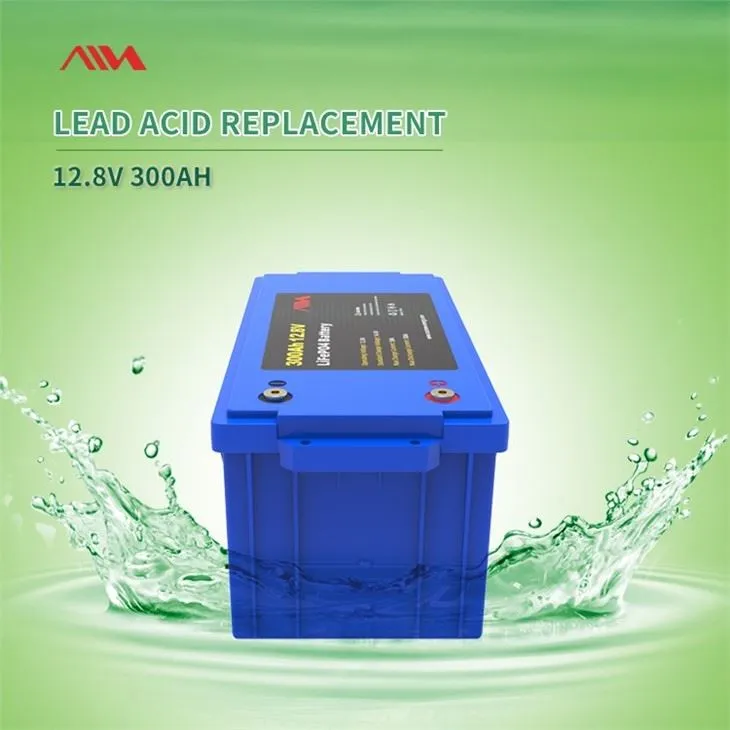
In the market, lithium - ion batteries, such as the Deep Cycle Solar RV Caravan Marine 12 Volt Lithium Ion Batteries 12V 100ah LiFePO4 Battery, 12V 300ah Lifepo4 Bms Inside Power System, and LiFePO4 Battery 12v 24v 36v 48v 50ah 100ah 150ah 200ah 300ah Deep Cycle Lithium Ion Battery 12V, are known for their relatively low self - discharge rates. While AGM GEL batteries have their own advantages in terms of cost and durability, improving their self - discharge performance can make them more competitive. By implementing the strategies mentioned above, we can narrow the gap between AGM GEL batteries and lithium - ion batteries in terms of self - discharge.
Conclusion and Call to Action
Improving the self - discharge performance of AGM GEL batteries is a multi - faceted challenge that requires attention to raw materials, manufacturing processes, battery management, and storage conditions. As an AGM GEL battery supplier, we are committed to continuously researching and implementing these strategies to provide our customers with batteries that have excellent self - discharge performance.
If you are in the market for high - performance AGM GEL batteries or have any questions about improving battery self - discharge, we invite you to contact us. Our team of experts is ready to assist you with your battery needs and provide you with the best solutions.
References
- Linden, D., & Reddy, T. B. (2002). Handbook of Batteries. McGraw - Hill.
- Rand, D. A. J., Woods, R., & Garche, J. (2004). Valve - Regulated Lead - Acid Batteries. Elsevier.