



As a supplier of 30KWH solar systems, I often receive inquiries from customers about how to increase the energy output of their solar setups. In this blog post, I'll share some practical and scientifically - sound strategies that can help you get the most out of your 30KWH solar system.
Optimize Solar Panel Placement
The first and perhaps most crucial factor in increasing the energy output of a solar system is the placement of solar panels. Solar panels generate electricity by converting sunlight into direct current (DC) electricity. Therefore, they need to be exposed to as much sunlight as possible throughout the day.
- Orientation: In the Northern Hemisphere, solar panels should ideally face south, while in the Southern Hemisphere, they should face north. This orientation allows the panels to receive the maximum amount of sunlight over the course of a day. For a 30KWH solar system, even a small deviation from the optimal orientation can lead to a noticeable reduction in energy output.
- Tilt Angle: The tilt angle of the solar panels also matters. The optimal tilt angle is approximately equal to the latitude of your location. However, this can be adjusted based on the season. For example, in winter, increasing the tilt angle can help capture more sunlight as the sun is lower in the sky.
Regular Cleaning and Maintenance
Solar panels can accumulate dirt, dust, leaves, and other debris over time. This accumulation can significantly reduce the amount of sunlight that reaches the photovoltaic cells, thereby decreasing the energy output of the system.


- Cleaning Schedule: It is recommended to clean your solar panels at least twice a year. In areas with high levels of pollution, more frequent cleaning may be necessary. Use a soft brush and a mild detergent to gently clean the panels. Avoid using abrasive materials that could scratch the surface of the panels.
- Inspection: Regularly inspect the solar panels for any signs of damage, such as cracks or loose connections. Damaged panels should be replaced immediately to ensure the efficient operation of the system. Check the wiring and inverters for any signs of wear or overheating.
Upgrade to High - Efficiency Solar Panels
If your 30KWH solar system is using older or lower - efficiency solar panels, upgrading to high - efficiency panels can significantly increase the energy output. High - efficiency panels are able to convert a larger percentage of sunlight into electricity.
- Panel Technology: There are several types of solar panel technologies available, such as monocrystalline and polycrystalline. Monocrystalline panels generally have a higher efficiency rate compared to polycrystalline panels. They are also more space - efficient, which means you can generate more electricity with the same amount of panel area.
- Cost - Benefit Analysis: While high - efficiency panels may have a higher upfront cost, they can provide a better return on investment in the long run. Consider the cost of the panels, the expected increase in energy output, and the savings on electricity bills when making a decision.
Use Energy Storage Solutions
Energy storage is an important aspect of maximizing the energy output of a 30KWH solar system. By storing excess energy generated during the day, you can use it during periods of low sunlight or at night.
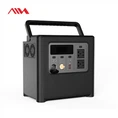
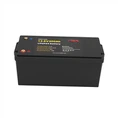
- Battery Options: There are various battery options available for solar energy storage. For example, the Brick 30KWh Battery For Home ESS is a great option for larger solar systems. It offers a high capacity and can store a significant amount of energy. Another option is the Sunnew 15KWh 48V 300Ah Stackable LiFePO4 Battery Pack, which is stackable, allowing you to increase the storage capacity as needed. The Solar Home 15KWh Brick 51.2v 300ah Lifepo4 ESS is also a reliable choice, providing a stable and efficient energy storage solution.
- Battery Management System: A good battery management system (BMS) is essential for the proper operation of the energy storage system. The BMS monitors the state of charge, temperature, and other parameters of the battery to ensure its safety and longevity.
Implement a Solar Tracking System
A solar tracking system can significantly increase the energy output of a solar system by adjusting the position of the solar panels to follow the sun's movement throughout the day.
- Types of Tracking Systems: There are two main types of solar tracking systems: single - axis and dual - axis. Single - axis tracking systems move the panels either horizontally or vertically to follow the sun's path, while dual - axis tracking systems move the panels both horizontally and vertically. Dual - axis tracking systems generally provide a higher increase in energy output but are also more expensive.
- Cost - Effectiveness: When considering a solar tracking system, it is important to evaluate its cost - effectiveness. The increase in energy output should justify the additional cost of the tracking system. In some cases, the cost savings on electricity bills over the lifetime of the system may make the investment in a tracking system worthwhile.
Monitor and Analyze the System Performance
Regular monitoring and analysis of the solar system's performance can help you identify any issues or opportunities for improvement.
- Monitoring Tools: There are various monitoring tools available that can provide real - time data on the energy output, temperature, and other parameters of the solar system. Some systems even allow you to monitor the performance of individual solar panels.
- Data Analysis: Analyze the data collected from the monitoring tools to identify trends and patterns. For example, if you notice a decrease in energy output over time, it could indicate a problem with the panels or the system. Use this information to take corrective actions and optimize the system's performance.
Energy - Efficient Appliances and Usage
Using energy - efficient appliances and being mindful of your energy usage can also contribute to maximizing the energy output of your 30KWH solar system.
- Appliance Selection: When purchasing appliances, look for those with high energy - efficiency ratings. Energy - efficient appliances consume less electricity, which means you can use more of the energy generated by your solar system.
- Usage Habits: Develop good energy - usage habits, such as turning off lights and appliances when not in use, using natural light during the day, and running large appliances during periods of high solar generation.
In conclusion, increasing the energy output of a 30KWH solar system requires a combination of proper placement, regular maintenance, upgrading equipment, using energy storage solutions, implementing tracking systems, monitoring performance, and adopting energy - efficient practices. If you are interested in learning more about how to optimize your solar system or are looking to purchase a 30KWH solar system or related components, please feel free to contact us for further discussions and procurement negotiations.
References
- Duffie, J. A., & Beckman, W. A. (2013). Solar Engineering of Thermal Processes. Wiley.
- Chow, T. T. (2010). Solar Energy Systems: Design and Analysis. Springer.
- National Renewable Energy Laboratory (NREL). (n.d.). Solar Energy Technologies Office. Retrieved from various reports and publications on the NREL website.