



Hey there! I'm a supplier of 30KWH solar systems, and I've seen firsthand how these systems can transform energy consumption at home. In this blog, I'll share some tips on how to optimize the performance of a 30KWH solar system.
1. Proper Installation
The first step in optimizing your 30KWH solar system is to ensure it's installed correctly. This means choosing the right location for your solar panels. They should be installed in a place that gets plenty of sunlight throughout the day. Avoid areas that are shaded by trees, buildings, or other obstructions.
A south - facing roof is often the best choice in the northern hemisphere, as it receives the most sunlight. The tilt angle of the panels also matters. It should be adjusted according to your geographical location to maximize sunlight exposure. For example, in areas closer to the equator, a lower tilt angle might be sufficient, while in more northern or southern latitudes, a steeper tilt could be better.
2. Regular Maintenance
Just like any other piece of equipment, your 30KWH solar system needs regular maintenance. This includes cleaning the solar panels periodically. Dust, dirt, and debris can accumulate on the panels over time, reducing their efficiency. You can use a soft brush and a mild detergent to clean them. Make sure to do this on a cool, overcast day to avoid thermal shock to the panels.
Inspect the wiring and connections regularly. Loose or damaged wires can cause power losses or even pose a safety hazard. Check for any signs of wear and tear, such as frayed insulation or corroded connectors. If you notice any issues, it's best to have a professional handle the repairs.
3. Battery Management
If your 30KWH solar system includes a battery for energy storage, proper battery management is crucial. One great option for energy storage is the Brick 20KWh Battery For Home ESS. It offers reliable storage capacity for your solar - generated energy.
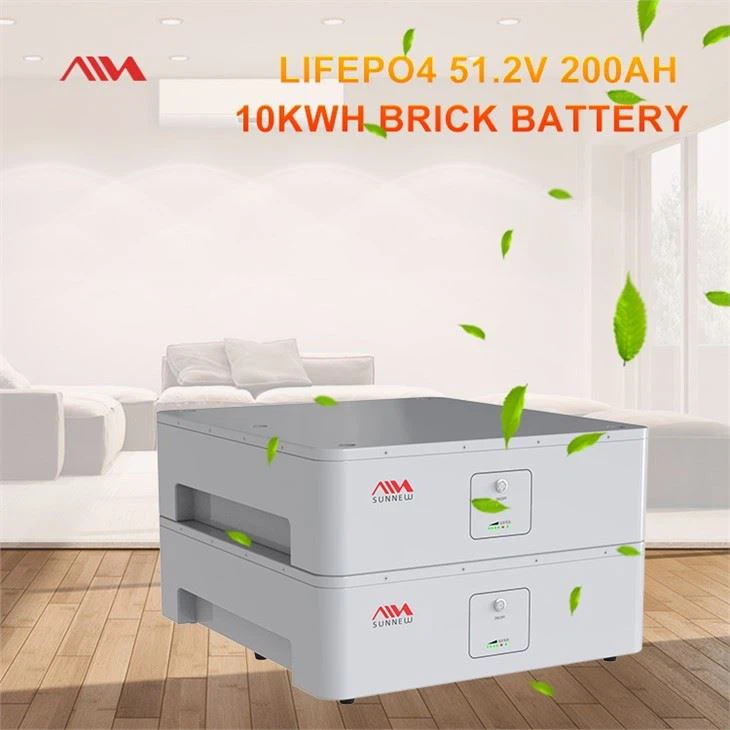
Another option is the LiFePO4 51.2V 200Ah 10Kwh Brick Battery, which is known for its long - life and high - performance. And of course, for a full 30KWH storage solution, the Brick 30KWh Battery For Home ESS is a top - notch choice.

You need to monitor the state of charge (SOC) of your battery. Avoid over - charging or over - discharging the battery, as this can significantly reduce its lifespan. Most modern batteries come with built - in battery management systems (BMS) that help regulate the charging and discharging process. However, it's still a good idea to keep an eye on the SOC regularly.
4. Energy Consumption Optimization
To get the most out of your 30KWH solar system, you should also optimize your energy consumption. This means using energy - efficient appliances at home. Replace old, inefficient light bulbs with LED bulbs, which use significantly less energy. Use energy - star rated appliances for your refrigerator, washing machine, and other household devices.
Try to schedule your high - energy - consuming activities, such as running the dishwasher or doing laundry, during the day when your solar system is generating the most power. This way, you can use the solar - generated electricity directly and reduce your reliance on the grid.
5. Monitoring and Analytics
Invest in a good monitoring system for your 30KWH solar system. A monitoring system allows you to track the performance of your solar panels, battery, and overall energy consumption. You can see how much electricity your system is generating, how much is being stored in the battery, and how much you're using at any given time.
With this data, you can identify any issues early on. For example, if you notice a sudden drop in power generation, it could indicate a problem with the panels or the wiring. You can also use the data to make informed decisions about your energy consumption habits. Some monitoring systems even offer analytics that can help you predict future energy generation based on weather forecasts.
6. Upgrading Components
As technology advances, consider upgrading some components of your 30KWH solar system. Newer solar panels are often more efficient and can generate more power. Upgrading your inverter can also improve the overall performance of the system. Inverters convert the direct current (DC) electricity generated by the solar panels into alternating current (AC) electricity that can be used in your home. A more efficient inverter can reduce power losses during the conversion process.
7. Weather Adaptation
Weather conditions can have a significant impact on the performance of your 30KWH solar system. On cloudy days, your system will generate less power. However, you can still make the most of it by adjusting your energy consumption. On sunny days, try to store as much excess energy as possible in your battery for use during less sunny periods.
In areas with extreme weather conditions, such as heavy snow or strong winds, take precautions to protect your solar panels. Make sure they are properly secured to withstand the elements. You may also need to clear snow from the panels after a snowfall to restore their efficiency.
8. Grid Interaction
If your 30KWH solar system is connected to the grid, you can take advantage of net metering. Net metering allows you to sell any excess electricity generated by your solar system back to the grid. This can offset your electricity bills and even earn you some money.
However, make sure you understand the net - metering policies in your area. Some areas have limitations on how much excess electricity you can sell back to the grid, or they may offer different rates for net - metering.
Contact for Purchase and Consultation
If you're interested in purchasing a 30KWH solar system or have any questions about optimizing its performance, feel free to reach out. We're here to help you make the most of solar energy and ensure that your system runs at its best. Whether you need advice on installation, maintenance, or battery selection, our team of experts is ready to assist you.
References
- Solar Energy Industries Association (SEIA). "Best Practices for Solar System Installation and Maintenance."
- International Renewable Energy Agency (IRENA). "Energy Storage Technologies for Renewable Energy Integration."
- U.S. Department of Energy. "Home Energy Efficiency Guide."