



Hey there! As a supplier of 48V batteries, I've seen firsthand how crucial it is to optimize the performance of these powerhouses. Whether you're using them for solar energy storage, electric vehicles, or other applications, getting the most out of your 48V battery can save you time, money, and headaches. In this blog post, I'll share some tips and tricks on how to optimize the performance of a 48V battery based on my experience in the industry.
Understanding Your 48V Battery
Before we dive into the optimization strategies, it's important to understand the basics of a 48V battery. A 48V battery is a high-voltage battery pack that consists of multiple individual cells connected in series. These cells can be made of different chemistries, such as lead-acid, lithium-ion, or lithium iron phosphate (LiFePO4). Each chemistry has its own advantages and disadvantages, so it's important to choose the right one for your specific application.
For example, lead-acid batteries are the most common type of 48V battery and are known for their low cost and high reliability. However, they have a relatively short lifespan and are not very efficient. On the other hand, lithium-ion batteries are more expensive but offer higher energy density, longer lifespan, and better efficiency. LiFePO4 batteries are a type of lithium-ion battery that are known for their safety, stability, and long cycle life.
Choosing the Right Battery
The first step in optimizing the performance of a 48V battery is to choose the right one for your application. Here are some factors to consider when choosing a 48V battery:
- Capacity: The capacity of a battery is measured in ampere-hours (Ah) and indicates how much energy it can store. The higher the capacity, the longer the battery will last between charges.
- Voltage: The voltage of a battery is measured in volts (V) and indicates the electrical potential difference between the positive and negative terminals. A 48V battery is designed to provide a constant voltage of 48V.
- Chemistry: As mentioned earlier, different battery chemistries have different advantages and disadvantages. Choose the chemistry that best suits your specific application.
- Cycle Life: The cycle life of a battery is the number of charge-discharge cycles it can withstand before its capacity starts to degrade. A battery with a longer cycle life will last longer and provide better performance over time.
- Discharge Rate: The discharge rate of a battery is the rate at which it can deliver power. A battery with a higher discharge rate can provide more power when needed.
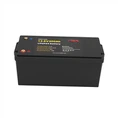
Based on these factors, I recommend considering our Deep Cycle 200ah 48v Lithium Iron Phosphate Rechargeable Lifepo4 Lithium Battery Pack. This battery offers a high capacity of 200Ah, a long cycle life of up to 2000 cycles, and a high discharge rate of up to 1C. It's also made of LiFePO4 chemistry, which is known for its safety, stability, and long cycle life.
Proper Charging and Discharging
Proper charging and discharging are essential for optimizing the performance of a 48V battery. Here are some tips to keep in mind:
- Use a Compatible Charger: Always use a charger that is specifically designed for your 48V battery. Using an incompatible charger can damage the battery and reduce its performance.
- Follow the Manufacturer's Instructions: Read the manufacturer's instructions carefully and follow them when charging and discharging your battery. This will ensure that you're using the battery correctly and maximizing its performance.
- Avoid Overcharging and Overdischarging: Overcharging and overdischarging can damage the battery and reduce its performance. Use a charger with a built-in overcharge protection circuit and avoid discharging the battery below its recommended minimum voltage.
- Charge at the Right Temperature: Charging the battery at the right temperature is important for its performance and lifespan. Avoid charging the battery in extreme temperatures, as this can damage the battery and reduce its performance.
Maintenance and Care
Regular maintenance and care are also important for optimizing the performance of a 48V battery. Here are some tips to keep in mind:
- Keep the Battery Clean: Keep the battery clean and free of dirt, dust, and debris. This will help to prevent corrosion and damage to the battery.
- Check the Battery Voltage Regularly: Check the battery voltage regularly to ensure that it's within the recommended range. If the voltage is too low, it may indicate that the battery needs to be charged.
- Inspect the Battery for Damage: Inspect the battery regularly for signs of damage, such as cracks, leaks, or bulges. If you notice any damage, replace the battery immediately.
- Store the Battery Properly: If you're not using the battery for an extended period of time, store it in a cool, dry place. Avoid storing the battery in extreme temperatures, as this can damage the battery and reduce its performance.
Monitoring and Management
Monitoring and management are also important for optimizing the performance of a 48V battery. Here are some tips to keep in mind:
- Use a Battery Management System (BMS): A BMS is a device that monitors and manages the charging and discharging of the battery. It helps to prevent overcharging, overdischarging, and overheating, which can damage the battery and reduce its performance.
- Monitor the Battery Temperature: Monitoring the battery temperature is important for its performance and lifespan. Use a temperature sensor to monitor the battery temperature and avoid charging or discharging the battery in extreme temperatures.
- Track the Battery Performance: Tracking the battery performance over time can help you to identify any issues or trends. Use a battery monitoring system to track the battery voltage, current, temperature, and other parameters.
Based on these factors, I recommend considering our Rechargeable Smart BMS Bluetooth Lithium Ion Battery 48v 100ah Lithium Battery Lifepo4 Battery. This battery comes with a built-in BMS that provides real-time monitoring and management of the battery. It also has a Bluetooth connection, which allows you to monitor the battery performance using your smartphone or tablet.


Conclusion
Optimizing the performance of a 48V battery is essential for getting the most out of your investment. By choosing the right battery, charging and discharging it properly, maintaining and caring for it, and monitoring and managing it, you can ensure that your 48V battery provides reliable and efficient power for your specific application.
If you're interested in learning more about our 48V batteries or have any questions about optimizing the performance of your battery, please don't hesitate to contact us. We're here to help you find the right battery for your needs and provide you with the support and guidance you need to get the most out of it.
References
- Battery University: https://batteryuniversity.com/
- Tesla: https://www.tesla.com/
- BYD: https://www.byd.com/