


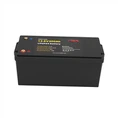

Sulfation is a common and troublesome issue that can significantly reduce the performance and lifespan of UPS (Uninterruptible Power Supply) batteries. As a reliable UPS battery supplier, I understand the importance of preventing sulfation to ensure that our customers get the most out of their battery investments. In this blog, I'll share some effective strategies to prevent sulfation in UPS batteries.
Understanding Sulfation in UPS Batteries
Before delving into prevention methods, it's crucial to understand what sulfation is. When a lead - acid battery (the most common type used in UPS systems) discharges, the sulfuric acid in the electrolyte reacts with the lead plates inside the battery to form lead sulfate. During the charging process, this lead sulfate is supposed to break down back into lead, sulfuric acid, and water.
However, if the battery is under - charged, left in a discharged state for an extended period, or experiences high temperatures, the lead sulfate crystals can become large and hard. These large crystals are difficult to break down during charging, and they gradually build up on the battery plates. This process is known as sulfation. Sulfated batteries have reduced capacity, longer charging times, and can eventually fail to hold a charge at all.
Regular and Proper Charging
One of the most effective ways to prevent sulfation is to ensure that the UPS battery is regularly and properly charged.
Follow Manufacturer's Charging Guidelines
Each UPS battery comes with specific charging instructions from the manufacturer. These guidelines detail the optimal charging voltage, current, and time. It's essential to follow these instructions precisely. Over - charging can cause excessive heat and damage the battery, while under - charging can lead to sulfation. For example, if the manufacturer recommends a charging voltage of 2.35 volts per cell for a lead - acid battery, using a higher or lower voltage can have negative consequences.


Implement a Float Charging System
Float charging is a method where the battery is maintained at a constant voltage after it is fully charged. This helps to keep the battery in a fully charged state and prevents self - discharge. In a UPS system, a float charging system can be set up to continuously monitor the battery's charge level and adjust the charging voltage accordingly. This ensures that the battery is always ready to provide power when needed and reduces the risk of sulfation.
Temperature Management
Temperature plays a significant role in the sulfation process. High temperatures accelerate the chemical reactions inside the battery, increasing the rate of sulfation. On the other hand, extremely low temperatures can also reduce the battery's performance and make it more susceptible to sulfation.
Keep the Battery in a Cool Environment
Ideally, UPS batteries should be stored and operated in an environment with a temperature between 20°C and 25°C (68°F - 77°F). If the battery is exposed to high temperatures, such as in a hot room or near heat - generating equipment, the lead sulfate crystals will form more quickly. Installing the UPS system in a well - ventilated area or using air - conditioning can help maintain a suitable temperature.
Use Temperature - Compensated Chargers
Some modern chargers are equipped with temperature - compensation features. These chargers adjust the charging voltage based on the battery's temperature. When the temperature is high, the charger reduces the charging voltage to prevent over - charging and excessive heat generation. When the temperature is low, the charger increases the voltage to ensure proper charging. This helps to maintain the battery's health and prevent sulfation under different temperature conditions.
Periodic Equalization Charging
Equalization charging is a process where the battery is charged at a higher voltage than normal for a short period. This helps to break down any small lead sulfate crystals that may have formed on the battery plates and ensures that all cells in the battery are evenly charged.
Determine the Appropriate Frequency
The frequency of equalization charging depends on the type of battery and its usage. For some UPS batteries, equalization charging may be required every few months, while for others, it may be needed less frequently. It's important to consult the battery manufacturer's recommendations to determine the right schedule.
Perform Equalization Charging Safely
Equalization charging should be carried out carefully. It can generate hydrogen gas, which is flammable. Therefore, it should be done in a well - ventilated area away from open flames or sparks. Also, make sure to monitor the battery's temperature and voltage during the process to prevent over - heating or over - charging.
Battery Maintenance and Monitoring
Regular maintenance and monitoring are essential for preventing sulfation in UPS batteries.
Visual Inspection
Periodically inspect the battery for any signs of physical damage, such as cracks, leaks, or bulges. Damaged batteries are more likely to develop sulfation and other problems. Also, check the electrolyte level in flooded lead - acid batteries. If the level is low, add distilled water as recommended by the manufacturer.
Use Battery Monitoring Systems
Battery monitoring systems can provide real - time information about the battery's state of charge, voltage, temperature, and other parameters. These systems can alert you if there are any issues, such as low charge or high temperature, allowing you to take corrective action before sulfation occurs. Some advanced monitoring systems can even predict the battery's remaining useful life.
Consider Using Battery Desulfators
Battery desulfators are devices that use high - frequency pulses to break down the lead sulfate crystals on the battery plates. These devices can be connected to the battery and left to work continuously or periodically. While they are not a substitute for proper charging and maintenance, they can be a useful addition to a sulfation prevention strategy, especially for older batteries or those that have been exposed to less - than - ideal conditions.
Related Products for Backup Power
In addition to UPS batteries, we also offer a range of portable power solutions for various needs. For outdoor enthusiasts, our 600W Portable Generator For Outdoor Camping is a great option. It provides reliable power for camping trips and other outdoor activities.
If you need a more powerful and versatile portable power source, our SNE1000W Portable Power Station is worth considering. It can power multiple devices simultaneously and is suitable for both indoor and outdoor use.
For those who want to harness solar energy, our 800W Solar Portable Power Station is an excellent choice. It can be charged by solar panels, providing a clean and renewable source of power.
Contact for Purchase and Consultation
As a trusted UPS battery supplier, we are committed to providing high - quality products and excellent customer service. If you have any questions about preventing sulfation in UPS batteries or are interested in purchasing our UPS batteries or other power products, please feel free to contact us. We have a team of experts who can provide you with professional advice and assistance.
References
- Battery University. "Understanding Battery Sulfation."
- Manufacturer's manuals for UPS batteries.
- Industry standards and guidelines for battery maintenance and charging.