



Hey there! I'm a supplier of 48V batteries, and I've seen firsthand how important it is to recycle these powerhouses properly. In this blog, I'll share some tips on how to recycle a 48V battery, why it matters, and how you can get involved.
First off, let's talk about why recycling a 48V battery is a big deal. These batteries are packed with valuable materials like lithium, cobalt, and nickel. When we recycle them, we can extract these materials and use them to make new batteries. This not only reduces the need for mining new resources but also helps to cut down on the environmental impact of battery production.
Another reason to recycle is to prevent harmful chemicals from leaching into the environment. 48V batteries can contain toxic substances like lead and acid. If these batteries end up in landfills or are improperly disposed of, these chemicals can seep into the soil and water, posing a risk to human health and the ecosystem.
So, how do you recycle a 48V battery? Here are the steps:
Step 1: Check the Battery's Condition
Before you recycle your 48V battery, you need to make sure it's in a safe condition. If the battery is damaged, leaking, or swollen, it could be dangerous to handle. In this case, you should contact a professional battery recycling service for assistance.
Step 2: Find a Recycling Center
The next step is to find a recycling center that accepts 48V batteries. You can start by checking with your local waste management department or searching online for battery recycling facilities in your area. Make sure the recycling center is licensed and follows proper safety procedures.
Step 3: Prepare the Battery for Recycling
Once you've found a recycling center, you need to prepare the battery for transport. First, make sure the battery is fully discharged. You can do this by using the battery until it no longer holds a charge or by using a battery discharger.
Next, clean the battery to remove any dirt or debris. You can use a damp cloth to wipe the battery down. Avoid using abrasive materials or chemicals that could damage the battery.
Finally, place the battery in a sturdy container to prevent it from moving around during transport. You can use a plastic bin or a cardboard box lined with bubble wrap.
Step 4: Transport the Battery to the Recycling Center
When transporting the battery to the recycling center, make sure it's secured in your vehicle to prevent it from shifting or tipping over. You should also avoid transporting the battery in extreme temperatures or in direct sunlight.
Step 5: Recycle the Battery
Once you've arrived at the recycling center, the staff will take the battery from you and begin the recycling process. The recycling center will typically use a combination of mechanical and chemical processes to extract the valuable materials from the battery.
The materials will then be refined and used to make new batteries or other products. The remaining materials, such as plastic and metal casings, will be recycled or disposed of properly.
Now that you know how to recycle a 48V battery, let's take a look at some of the different types of 48V batteries available and how they can be recycled.
Types of 48V Batteries
There are several types of 48V batteries, including lead-acid batteries, lithium-ion batteries, and nickel-metal hydride batteries. Each type of battery has its own unique recycling process.
Lead-Acid Batteries
Lead-acid batteries are one of the most common types of 48V batteries. They're often used in applications like forklifts, golf carts, and backup power systems.
To recycle a lead-acid battery, the battery is first broken down into its component parts. The lead plates are removed and melted down to produce new lead. The acid is neutralized and treated to remove any impurities. The plastic casing is also recycled.
Lithium-Ion Batteries
Lithium-ion batteries are becoming increasingly popular due to their high energy density and long lifespan. They're commonly used in electric vehicles, laptops, and smartphones.
Recycling a lithium-ion battery is a more complex process than recycling a lead-acid battery. The battery is first shredded to break it down into smaller pieces. The pieces are then treated with chemicals to extract the lithium, cobalt, and nickel. The remaining materials are recycled or disposed of properly.
If you're interested in purchasing a high-quality 48V lithium-ion battery, check out our Rechargeable Smart BMS Bluetooth Lithium Ion Battery 48v 100ah Lithium Battery Lifepo4 Battery. It's a reliable and efficient battery that's perfect for a variety of applications.
Nickel-Metal Hydride Batteries
Nickel-metal hydride batteries are another type of 48V battery. They're often used in hybrid vehicles and portable electronics.
To recycle a nickel-metal hydride battery, the battery is first shredded to break it down into smaller pieces. The pieces are then treated with chemicals to extract the nickel, cobalt, and rare earth metals. The remaining materials are recycled or disposed of properly.
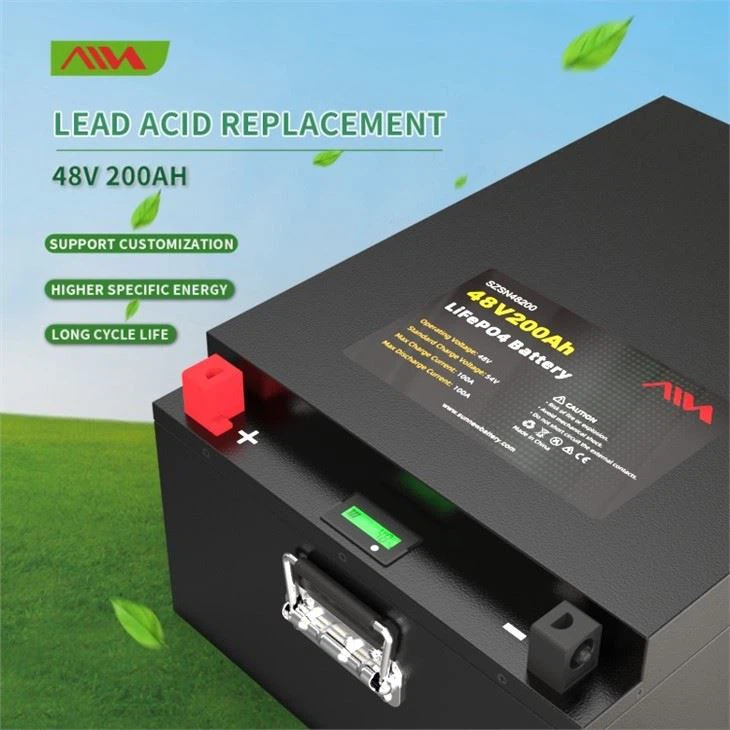
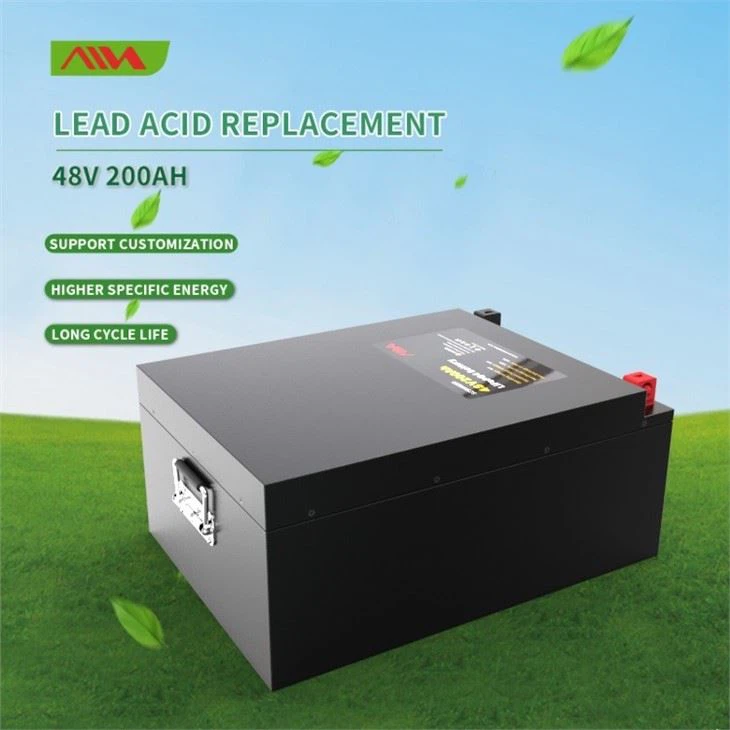
If you're in the market for a 48V battery, we also offer the 48V 100ah Lifepo4 Bms Inside Battery and the Deep Cycle 48V 200ah EV Battery. These batteries are designed to provide long-lasting power and reliable performance.
Getting Involved in Battery Recycling
Recycling a 48V battery is not only good for the environment but also for the economy. By recycling batteries, we can create jobs and reduce our dependence on foreign resources.
If you're interested in getting involved in battery recycling, there are several things you can do. You can start by recycling your own batteries and encouraging others to do the same. You can also support companies that are committed to sustainable battery production and recycling.
In addition, you can get involved in advocacy efforts to promote battery recycling and improve recycling infrastructure. You can contact your elected representatives and let them know that you support policies that encourage battery recycling.
Conclusion
Recycling a 48V battery is an important step in protecting the environment and conserving natural resources. By following the steps outlined in this blog, you can ensure that your battery is recycled safely and responsibly.
If you're in the market for a 48V battery, we invite you to check out our selection of high-quality batteries. We're committed to providing our customers with the best products and services, and we're always happy to answer any questions you may have.
If you're interested in purchasing our 48V batteries or have any questions about our products, please don't hesitate to contact us. We'd love to hear from you and help you find the perfect battery for your needs.
References
- U.S. Environmental Protection Agency. (n.d.). Battery Recycling. Retrieved from https://www.epa.gov/recycle/battery-recycling
- Recycling International. (2021). The Future of Battery Recycling. Retrieved from https://www.recyclinginternational.com/features/the-future-of-battery-recycling/
- Battery Council International. (n.d.). Battery Recycling 101. Retrieved from https://www.batterycouncil.org/battery-recycling-101