


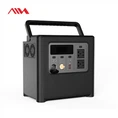
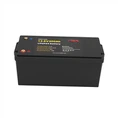

Hey there! As a backup battery supplier, I've seen firsthand how important it is to store your backup batteries properly, especially during long - term non - use. Whether you're using these batteries for a 500W Solar Portable Power Station, a 700W Portable Generator For Outdoor Camping, or a 600W Portable Generator For Outdoor Camping, improper storage can lead to a whole bunch of problems. So, let's dive into how you can store your backup battery correctly.
1. Choose the Right Battery
Before we even talk about storage, it's crucial to pick the right battery in the first place. Different types of batteries have different storage requirements. For example, lead - acid batteries are commonly used in backup power systems. They're relatively affordable but need more maintenance compared to lithium - ion batteries. Lithium - ion batteries, on the other hand, are lighter, have a longer lifespan, and are more efficient. But they can be a bit pricier.
Think about your specific needs. If you need a battery for a short - term backup and cost is a major factor, a lead - acid battery might be your best bet. However, if you're looking for a long - term solution with less maintenance, lithium - ion is the way to go.
2. Clean the Battery
Once you've decided to store your battery for the long term, the first step is to clean it. Over time, batteries can accumulate dirt, dust, and even corrosion on their terminals. This can not only affect the battery's performance but also cause safety issues.
Use a dry cloth to wipe off any visible dirt on the battery's surface. For the terminals, you can use a mixture of baking soda and water. Make a paste and apply it to the terminals. Then, use a wire brush to gently scrub away the corrosion. Rinse the terminals with clean water and dry them thoroughly.
3. Charge the Battery
It's super important to charge the battery to the appropriate level before storage. For lead - acid batteries, you should charge them to about 100%. This helps prevent sulfation, which is a common problem in lead - acid batteries during long - term storage. Sulfation occurs when lead sulfate crystals form on the battery plates, reducing the battery's capacity and lifespan.
For lithium - ion batteries, it's recommended to charge them to around 50% - 60%. Overcharging a lithium - ion battery during storage can cause stress on the battery cells and reduce their overall lifespan. You can use a smart charger to ensure you're charging the battery to the correct level.
4. Store in a Cool, Dry Place
The storage environment plays a huge role in the battery's longevity. You want to store your battery in a cool, dry place. High temperatures can cause the battery to self - discharge more quickly and can also damage the battery cells. Humidity can lead to corrosion on the battery's terminals and other components.
A temperature range of 10°C - 25°C (50°F - 77°F) is ideal for most batteries. You can store the battery in a basement or a closet as long as it meets these temperature and humidity requirements. Avoid storing the battery in direct sunlight or near heat sources like heaters or radiators.
5. Isolate the Battery
To prevent any accidental discharge or short - circuits, it's a good idea to isolate the battery. You can use a battery storage container or a plastic bag to keep the battery separate from other objects. Make sure the battery is not touching any metal objects that could cause a short - circuit.


If you're storing multiple batteries, keep them separated from each other. This helps prevent any potential chemical reactions between the batteries and reduces the risk of short - circuits.
6. Check the Battery Regularly
Even when the battery is in storage, it's important to check it regularly. For lead - acid batteries, you should check the electrolyte level every few months. If the electrolyte level is low, you can add distilled water to bring it up to the appropriate level.
For lithium - ion batteries, check the battery's charge level every few months. If the charge level has dropped significantly, you may need to recharge the battery to the appropriate level. This helps ensure that the battery is still in good condition when you need to use it.
7. Disconnect Any Accessories
If your battery is connected to any accessories like chargers, inverters, or monitoring devices, disconnect them before storage. These accessories can draw a small amount of power from the battery over time, causing it to discharge.
By disconnecting these accessories, you can prevent unnecessary power loss and extend the battery's storage life.
8. Consider Using a Battery Maintainer
A battery maintainer, also known as a trickle charger, can be a great investment for long - term battery storage. A battery maintainer keeps the battery at a constant charge level by supplying a small amount of current. This helps prevent self - discharge and keeps the battery in good condition.
For lead - acid batteries, a battery maintainer can help prevent sulfation. For lithium - ion batteries, it can ensure that the battery's charge level stays within the recommended range.
9. Label the Battery
It's a good idea to label the battery with the date of storage and the type of battery. This makes it easier for you to keep track of how long the battery has been in storage and what type of maintenance it needs.
You can use a permanent marker to write the information on the battery's case. This simple step can save you a lot of time and hassle in the future.
10. Be Prepared for Reactivation
When you're ready to use the battery after long - term storage, you may need to reactivate it. For lead - acid batteries, a slow charge using a charger with a desulfation mode can help break down any sulfation that may have occurred during storage.
For lithium - ion batteries, simply charging the battery to 100% should be sufficient in most cases. However, if the battery has been stored for an extremely long time, you may need to cycle the battery a few times (charge and discharge it) to restore its full capacity.
As a backup battery supplier, I understand that finding the right battery and storing it properly can be a bit confusing. That's why I'm here to help. If you have any questions about battery selection, storage, or maintenance, or if you're interested in purchasing backup batteries for your 500W Solar Portable Power Station, 700W Portable Generator For Outdoor Camping, or 600W Portable Generator For Outdoor Camping, feel free to reach out. We can have a detailed discussion about your specific needs and find the best solution for you.
References
- Battery University: A comprehensive resource for battery knowledge.
- Manufacturer's manuals for different types of batteries.