


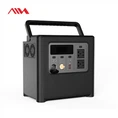
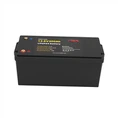

In the ever - evolving landscape of energy solutions, cabinet batteries have emerged as a significant player. As a dedicated cabinet battery supplier, I've witnessed firsthand the growing interest in these power storage units, especially in the commercial sector. The question that often arises is: "Is a cabinet battery suitable for commercial use?" In this blog, I'll delve into the various aspects of cabinet batteries to provide a comprehensive answer.
Understanding Cabinet Batteries
Cabinet batteries are essentially large - scale battery systems housed in a cabinet - like structure. They are designed to store electrical energy efficiently and release it when needed. These batteries come in different chemistries, with lithium - iron - phosphate (LiFePO4) being a popular choice due to its safety, long cycle life, and high energy density.
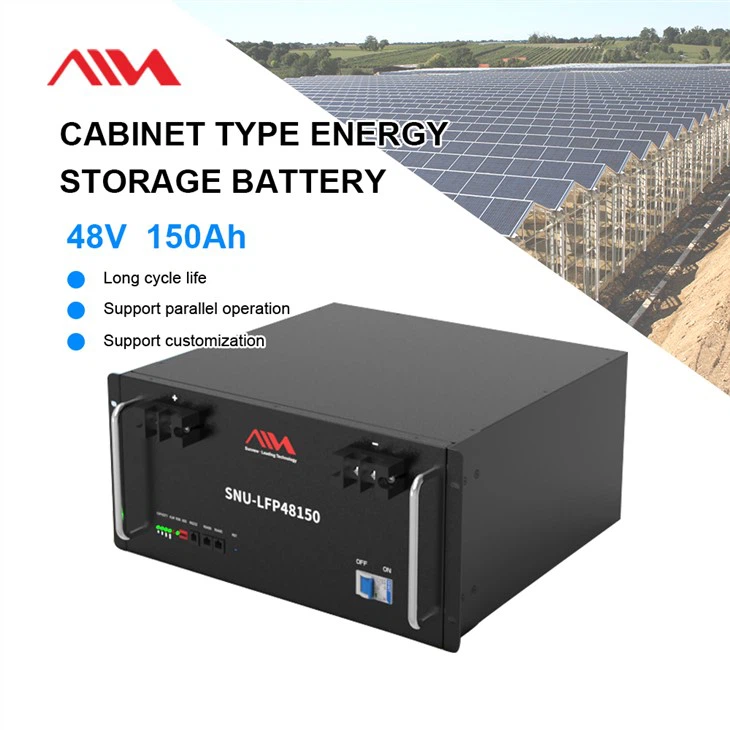
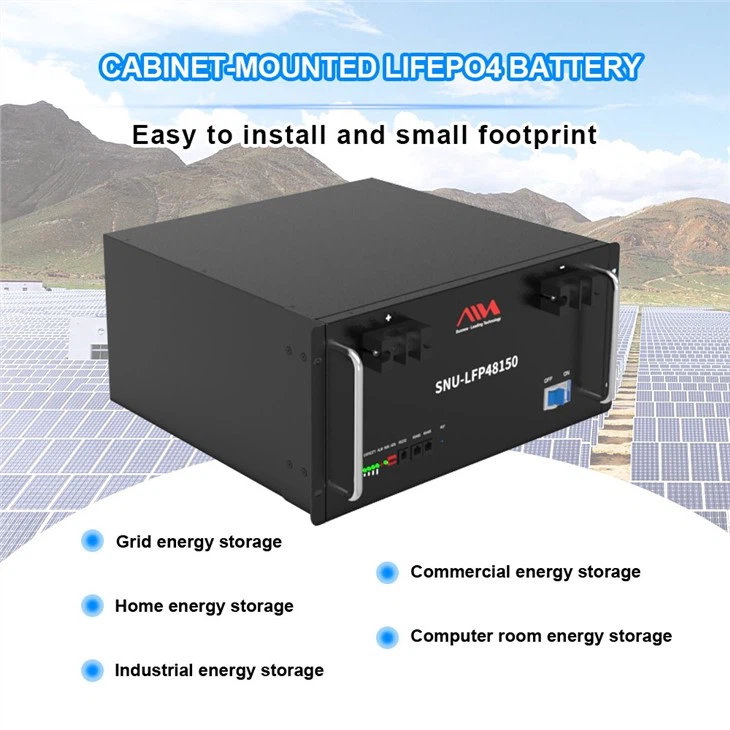
Our company offers a range of cabinet batteries, such as the Cabinet 48V 120Ah Home ESS Battery, the LiFePO4 Battery LFP Lithium Iron Phosphate Pack Solar Energy Storage System 48V 100AH 5kwh, and the Solar Battery 48v 150ah High Quality Deep Cycle Lithium Ion Batteries Lifepo4 Battery Pack. These products are engineered to meet diverse energy storage needs, whether for residential or commercial applications.
Advantages of Cabinet Batteries for Commercial Use
Energy Independence
One of the most significant advantages of cabinet batteries for commercial establishments is the ability to achieve a certain degree of energy independence. Many commercial buildings rely on the grid for their power needs. However, power outages can disrupt business operations, leading to financial losses. A cabinet battery can store excess energy during off - peak hours or from renewable sources like solar panels. During a power outage, the stored energy can be used to keep essential systems running, such as lighting, security systems, and critical equipment. This ensures business continuity and reduces the vulnerability to grid failures.
Peak Shaving
Commercial electricity tariffs often have a structure that includes peak and off - peak rates. Peak shaving is a strategy where a business uses stored energy from a cabinet battery during peak demand periods. By doing so, the business can reduce its reliance on the grid during these high - cost hours, resulting in significant cost savings on electricity bills. For example, a manufacturing plant can use the energy stored in the cabinet battery to power its machinery during the peak hours when the electricity rates are at their highest, and then recharge the battery during off - peak hours when the rates are lower.
Integration with Renewable Energy
As more and more commercial businesses are looking to adopt renewable energy sources like solar and wind, cabinet batteries play a crucial role in making these systems more reliable. Solar panels generate electricity during the day, but the energy demand in a commercial building may not align with the generation time. A cabinet battery can store the excess solar energy generated during the day and release it when the demand is high, such as in the evening or on cloudy days. This integration of renewable energy and cabinet batteries helps businesses reduce their carbon footprint and meet their sustainability goals.
Scalability
Cabinet batteries are highly scalable. Commercial businesses can start with a small - scale battery system and gradually expand it as their energy needs grow. This flexibility allows businesses to make a cost - effective investment in energy storage. For example, a startup company may initially install a single cabinet battery to meet its basic energy storage requirements. As the company grows and its operations expand, additional cabinet batteries can be added to the system to increase the storage capacity.
Challenges of Cabinet Batteries for Commercial Use
High Initial Investment
One of the main challenges of implementing cabinet batteries in commercial settings is the high initial investment. The cost of purchasing and installing a cabinet battery system can be substantial, especially for larger commercial buildings. However, it's important to consider the long - term benefits, such as energy cost savings, reduced downtime, and potential incentives or subsidies from the government for adopting energy - storage solutions. Over time, the return on investment can be significant.
Space Requirements
Cabinet batteries require a certain amount of physical space for installation. Commercial buildings may need to allocate dedicated space for the battery cabinets, which can be a challenge, especially in buildings with limited floor area. However, modern cabinet battery designs are becoming more compact, and some systems can be installed vertically or in modular configurations to minimize the space requirements.
Maintenance and Management
Cabinet batteries need regular maintenance to ensure optimal performance and longevity. This includes monitoring the battery's state of charge, temperature, and overall health. Commercial businesses may need to invest in a maintenance plan or hire trained personnel to manage the battery system. Additionally, battery technology is constantly evolving, and businesses need to stay updated on the latest maintenance practices and safety standards.
Considerations for Selection
Energy Requirements
Before choosing a cabinet battery for commercial use, it's essential to accurately assess the energy requirements of the business. This includes analyzing the peak and average power consumption, the duration of power outages that need to be covered, and the potential growth in energy demand in the future. Based on these factors, the appropriate battery capacity and configuration can be selected.
Battery Chemistry
As mentioned earlier, different battery chemistries have different characteristics. LiFePO4 batteries are a popular choice for commercial applications due to their safety, long cycle life, and high energy density. However, other chemistries like lead - acid batteries may also be considered depending on the specific requirements and budget of the business.
System Compatibility
The cabinet battery system needs to be compatible with the existing electrical infrastructure of the commercial building. This includes the electrical panels, inverters, and other components. It's important to work with a professional installer who can ensure that the battery system is integrated seamlessly into the building's electrical system.
Conclusion
In conclusion, cabinet batteries offer numerous advantages for commercial use, including energy independence, peak shaving, integration with renewable energy, and scalability. While there are challenges such as high initial investment, space requirements, and maintenance, the long - term benefits often outweigh these drawbacks. For commercial businesses looking to improve their energy efficiency, reduce costs, and enhance their sustainability, cabinet batteries can be a viable solution.
If you're interested in exploring cabinet battery solutions for your commercial establishment, I encourage you to get in touch with us. Our team of experts can help you assess your energy needs, select the right cabinet battery system, and provide support throughout the installation and maintenance process. Let's work together to make your business more energy - efficient and sustainable.
References
- Smith, J. (2020). Energy Storage Technologies for Commercial Buildings. Journal of Energy Management, 15(2), 45 - 58.
- Johnson, A. (2021). The Role of Battery Systems in Peak Shaving for Commercial Enterprises. Energy Economics Review, 22(3), 78 - 90.
- Brown, C. (2019). Integration of Renewable Energy and Energy Storage Systems in Commercial Settings. Sustainable Energy Journal, 12(4), 67 - 81.