



Hey there, fellow camping enthusiasts! As a supplier of camping systems, I often get asked one burning question: "Is a camping system waterproof?" Well, let's dive right into this topic and clear up all the confusion.
First off, it's important to understand that not all camping systems are created equal when it comes to waterproofing. A camping system typically includes a tent, sleeping bags, cooking equipment, and maybe some portable power stations. Each component has its own level of water resistance, and it's crucial to know what you're dealing with.
Let's start with the tent. This is the heart of your camping setup, and its waterproofing capabilities can make or break your camping experience. Most modern tents come with a waterproof rating, usually measured in millimeters (mm). This rating indicates how much water pressure the tent fabric can withstand before water starts to seep through. For example, a tent with a 2000mm waterproof rating can handle a fair amount of rain, but if you're camping in a heavy downpour or near a body of water, you might want to look for a tent with a higher rating, like 3000mm or more.
But here's the thing: just because a tent has a high waterproof rating doesn't mean it's completely waterproof. There are other factors to consider, like the seams and the way the tent is pitched. Seams are often the weak points in a tent's waterproofing, as they can allow water to seep through if they're not properly sealed. That's why it's a good idea to seal the seams of your tent before you head out on your camping trip. You can use a seam sealer, which is a special product designed to fill in the gaps between the seams and prevent water from getting in.
Another important factor is how you pitch your tent. Make sure you set it up on a level surface and stake it down tightly. This will help prevent water from pooling around the base of the tent and seeping in. You should also use a groundsheet or footprint to provide an extra layer of protection between the tent and the ground.
Now, let's talk about sleeping bags. These are essential for keeping you warm and dry during your camping trip, but not all sleeping bags are waterproof. Most sleeping bags are made from synthetic or down materials, and each has its own pros and cons when it comes to waterproofing.
Synthetic sleeping bags are generally more water-resistant than down sleeping bags. They're made from materials like polyester or nylon, which can repel water to a certain extent. However, if a synthetic sleeping bag gets wet, it can take a long time to dry out. Down sleeping bags, on the other hand, are incredibly warm and lightweight, but they're not very water-resistant. When down gets wet, it loses its insulating properties and can take a long time to dry. That's why it's important to keep your down sleeping bag dry at all times. You can use a waterproof stuff sack to store your sleeping bag when it's not in use, and make sure you keep it inside the tent when it's raining.
Next up, let's discuss cooking equipment. If you're planning to cook outdoors, you'll need to make sure your cooking equipment is protected from the elements. Most camping stoves and cookware are made from metal or plastic, which are generally water-resistant. However, you still need to be careful not to get them wet, as this can cause rust or damage to the equipment.
One way to protect your cooking equipment is to use a waterproof shelter or a tarp. This will provide a dry area for you to cook and keep your equipment safe from the rain. You can also store your cooking equipment in a waterproof container or bag when it's not in use.
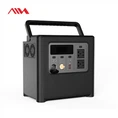
Finally, let's talk about portable power stations. These are becoming increasingly popular among campers, as they provide a convenient way to power your electronic devices and appliances. But are they waterproof? Well, it depends on the model.
Some portable power stations are designed to be waterproof or water-resistant, while others are not. If you're planning to use a portable power station in wet conditions, it's important to choose a model that's specifically designed for this purpose. Look for a power station with a high IP rating, which indicates its level of protection against dust and water. For example, an IPX7 rating means that the power station can be submerged in water up to 1 meter for 30 minutes without any damage.
At our company, we offer a range of portable power stations, including the 500W Solar Portable Power Station, the 700W Solar Portable Power Station, and the 900W Solar Portable Power Station. These power stations are all designed to be durable and reliable, and some of them are even waterproof or water-resistant. So, if you're looking for a portable power station that can handle wet conditions, be sure to check out our selection.
In conclusion, while not all camping systems are completely waterproof, there are steps you can take to protect your gear from the elements. By choosing the right equipment, properly maintaining it, and taking precautions when setting up your campsite, you can ensure that your camping trip is a dry and enjoyable one.


If you're interested in purchasing a camping system or any of our other products, we'd love to hear from you. Whether you're a seasoned camper or just starting out, we have the expertise and the products to meet your needs. So, don't hesitate to reach out and start a conversation about your camping equipment requirements. We're here to help you make the most of your outdoor adventures!
References
- Outdoor Gear Lab. (n.d.). Tent Waterproofing Guide. Retrieved from https://www.outdoorgearlab.com/topics/shelters/tent-waterproofing-guide
- REI Co-op. (n.d.). How to Choose a Sleeping Bag. Retrieved from https://www.rei.com/learn/expert-advice/sleeping-bag-choosing.html
- Camping World. (n.d.). Portable Power Stations: What You Need to Know. Retrieved from https://www.campingworld.com/blog/portable-power-stations-what-you-need-to-know