


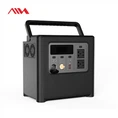
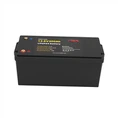

As a seasoned supplier of wall mount batteries, I've witnessed firsthand the growing demand for reliable energy storage solutions. Wall mount batteries are an excellent choice for homeowners and businesses looking to store excess energy generated by solar panels or other renewable sources. However, installing a wall mount battery requires the right tools and equipment to ensure a safe and efficient installation. In this blog post, I'll discuss the essential installation tools needed for a wall mount battery and provide some tips to help you get the job done right.
Safety Equipment
Before you start any installation project, it's crucial to prioritize safety. Working with electrical components can be dangerous, so you'll need to invest in some basic safety equipment. Here are some essential safety tools you should have on hand:
- Safety Glasses: Protect your eyes from debris and potential electrical sparks by wearing safety glasses. Make sure they fit properly and provide adequate coverage.
- Gloves: Insulated gloves are essential for protecting your hands from electrical shock. Look for gloves that are rated for the voltage of your wall mount battery.
- Hard Hat: If you're working in an area where there's a risk of falling objects, wearing a hard hat is a must. It can protect your head from serious injuries.
- Fire Extinguisher: Have a fire extinguisher nearby in case of an electrical fire. Make sure it's rated for electrical fires and that you know how to use it.
Mounting Tools
Once you've taken the necessary safety precautions, it's time to start mounting your wall mount battery. Here are some tools you'll need for this step:
- Drill: A drill is essential for making holes in the wall to mount the battery bracket. Make sure you have the right drill bit for the type of wall you're working with (e.g., wood, concrete, or drywall).
- Screwdriver Set: You'll need a set of screwdrivers to attach the battery bracket to the wall and the battery to the bracket. Make sure you have both Phillips and flathead screwdrivers in various sizes.
- Level: A level is used to ensure that the battery bracket is installed straight and level. This is important for the stability and proper functioning of the battery.
- Measuring Tape: Use a measuring tape to measure the distance between the holes in the battery bracket and the wall. This will help you ensure that the bracket is installed in the correct position.
Electrical Tools
Installing a wall mount battery involves working with electrical components, so you'll need some specialized electrical tools. Here are some essential electrical tools you should have:
- Wire Strippers: Wire strippers are used to remove the insulation from electrical wires. Make sure you have a pair of wire strippers that can handle the gauge of wire you're working with.
- Crimping Tool: A crimping tool is used to attach connectors to the ends of electrical wires. This is important for creating a secure and reliable electrical connection.
- Multimeter: A multimeter is used to measure voltage, current, and resistance in electrical circuits. This tool is essential for troubleshooting and ensuring that your wall mount battery is functioning properly.
- Electrical Tape: Electrical tape is used to insulate electrical connections and prevent them from short-circuiting. Make sure you have a roll of high-quality electrical tape on hand.
Testing and Commissioning Tools
After you've installed your wall mount battery, it's important to test it to ensure that it's working properly. Here are some tools you'll need for testing and commissioning:


- Battery Analyzer: A battery analyzer is used to measure the capacity, voltage, and state of charge of your wall mount battery. This tool can help you determine if the battery is performing as expected.
- Load Tester: A load tester is used to simulate the load on your wall mount battery and test its performance under different conditions. This can help you identify any potential issues with the battery.
- Software: Many wall mount batteries come with software that allows you to monitor and control the battery's performance. Make sure you have the necessary software installed on your computer or mobile device.
Additional Tools and Accessories
In addition to the tools mentioned above, there are some other tools and accessories that can make your installation process easier and more efficient. Here are some examples:
- Ladder: If you're installing the wall mount battery at a high location, you'll need a ladder to reach it. Make sure the ladder is stable and rated for the weight you'll be carrying.
- Cable Ties: Cable ties are used to organize and secure electrical cables. This can help prevent the cables from getting tangled and reduce the risk of electrical problems.
- Label Maker: A label maker can be used to label electrical connections and cables. This can make it easier to identify and troubleshoot any issues that may arise in the future.
Tips for a Successful Installation
Installing a wall mount battery can be a complex process, but with the right tools and some basic knowledge, you can do it yourself. Here are some tips to help you ensure a successful installation:
- Read the Manual: Before you start the installation process, make sure you read the manufacturer's manual carefully. It will provide you with detailed instructions on how to install the battery and any specific requirements or precautions you need to take.
- Plan Ahead: Take the time to plan your installation carefully. Make sure you have all the necessary tools and materials on hand, and that you know where you're going to mount the battery and how you're going to connect it to your electrical system.
- Follow Safety Procedures: Always follow the safety procedures outlined in the manufacturer's manual and use the appropriate safety equipment. Working with electrical components can be dangerous, so it's important to take all the necessary precautions.
- Test the Battery: After you've installed the battery, make sure you test it to ensure that it's working properly. Use a battery analyzer and a load tester to check the battery's capacity, voltage, and performance.
- Seek Professional Help if Needed: If you're not comfortable working with electrical components or if you're unsure about any aspect of the installation process, don't hesitate to seek professional help. A qualified electrician can ensure that your wall mount battery is installed safely and correctly.
Conclusion
Installing a wall mount battery requires the right tools and equipment to ensure a safe and efficient installation. By investing in some basic safety equipment, mounting tools, electrical tools, and testing and commissioning tools, you can install your wall mount battery yourself and enjoy the benefits of reliable energy storage. Remember to follow the manufacturer's instructions and safety procedures, and don't hesitate to seek professional help if needed.
If you're interested in purchasing a wall mount battery, we offer a wide range of high-quality products to meet your needs. Check out our 5kwh Tesla Wall Mounted 51.2V 100AH Battery, Sunnew 10kwh Lifepo4 Battery 48V 200ah Power Energy Wall For Home Energy Storage System, and 51.2V 150AH Lithium Battery For Solar ESS. Contact us today to learn more about our products and to discuss your specific requirements. We're here to help you find the perfect wall mount battery solution for your home or business.
References
- Manufacturer's manuals for wall mount batteries
- Electrical safety guidelines and standards
- Industry best practices for battery installation and maintenance