




Hey there, folks! As a forklift battery supplier, I've seen my fair share of battery - related issues and safety concerns. Forklift batteries are the heart of these powerful machines, and taking proper safety precautions is super important. In this blog, I'm gonna walk you through some key safety measures you should keep in mind when dealing with forklift batteries.
1. Handling and Storage
First off, let's talk about handling and storing forklift batteries. These things are heavy and can be dangerous if not handled correctly. When moving a battery, always use the right equipment like a hoist or a battery - handling cart. Don't try to lift it by hand unless it's a small, lightweight one, and even then, be really careful.
When it comes to storage, make sure the area is well - ventilated. Batteries, especially lead - acid ones, can release hydrogen gas during charging, which is highly flammable. A well - ventilated space helps to disperse this gas and reduces the risk of explosion. Also, keep the storage area clean and dry. Moisture can cause corrosion on the battery terminals, which can lead to poor performance and even safety hazards.
You should also store the batteries on a stable surface. Avoid placing them on uneven ground or surfaces that could tip over. And never stack batteries on top of each other unless they're designed to be stacked. Stacking incorrectly can damage the batteries and increase the risk of them falling and causing injury.
2. Charging Safety
Charging forklift batteries is a critical process that requires strict safety measures. First, always follow the manufacturer's instructions for charging. Different types of batteries, like lead - acid and lithium - ion, have different charging requirements.
For example, lead - acid batteries need to be charged at a specific rate and for a specific duration. Overcharging can cause the battery to overheat, release excessive hydrogen gas, and even damage the internal components. On the other hand, undercharging can reduce the battery's capacity and lifespan.
When charging, make sure the charging area is free from any flammable materials. As I mentioned earlier, hydrogen gas is released during charging, so having flammable substances nearby is a big no - no. Also, keep the charging cables in good condition. Damaged cables can cause short circuits, which can lead to fires or electric shocks.
It's also a good idea to use a charger that has built - in safety features like overcharge protection and temperature control. These features can help prevent accidents and ensure the battery is charged safely.
3. Maintenance
Regular maintenance is key to keeping forklift batteries safe and performing well. Check the battery terminals regularly for signs of corrosion. Corroded terminals can cause poor electrical connections, which can lead to problems like reduced power output and overheating. If you notice any corrosion, clean the terminals with a mixture of baking soda and water. This will neutralize the acid and remove the corrosion.
Inspect the battery case for any cracks or damage. A damaged case can allow acid to leak out, which is not only dangerous for the environment but also for anyone who comes into contact with it. If you find a damaged case, replace the battery as soon as possible.
Keep an eye on the electrolyte level in lead - acid batteries. The electrolyte is a mixture of sulfuric acid and water, and it needs to be at the right level for the battery to work properly. If the level is low, add distilled water to bring it back up to the recommended level. But be careful when handling the acid; wear protective gloves and goggles.

4. Personal Protective Equipment (PPE)
When working with forklift batteries, wearing the right PPE is essential. Always wear safety goggles to protect your eyes from acid splashes. Acid can cause serious eye damage, so it's better to be safe than sorry.
Gloves are also a must. Rubber or neoprene gloves can protect your hands from acid and electrical shocks. And if you're handling heavy batteries, consider wearing a back brace to prevent back injuries.
In some cases, you might also need to wear a face shield and an apron. This is especially important if you're working with large batteries or if there's a risk of significant acid splashes.
5. Compatibility
Make sure the battery you're using is compatible with your forklift. Using an incompatible battery can lead to poor performance, overheating, and even damage to the forklift's electrical system.
Check the voltage, capacity, and physical dimensions of the battery. The voltage needs to match the requirements of the forklift. Using a battery with the wrong voltage can cause the forklift to malfunction or even damage the motor.
The capacity of the battery should also be appropriate for the workload of the forklift. If the battery doesn't have enough capacity, it will run out of power quickly, and if it's too large, it might not fit properly in the forklift.
6. Battery Types and Their Specific Safety Precautions
Let's take a closer look at different types of forklift batteries and their specific safety concerns.
Lead - Acid Batteries
As I've mentioned a few times, lead - acid batteries release hydrogen gas during charging. So, proper ventilation is crucial. Also, these batteries contain sulfuric acid, which is highly corrosive. If there's a spill, you need to clean it up immediately using a neutralizing agent like baking soda.
The terminals of lead - acid batteries can become extremely hot during charging. Avoid touching them without proper protection. And when transporting lead - acid batteries, make sure they're secured properly to prevent acid from spilling.
Lithium - Ion Batteries
Lithium - ion batteries are becoming more popular in forklifts due to their high energy density and long lifespan. However, they also have their own safety concerns.
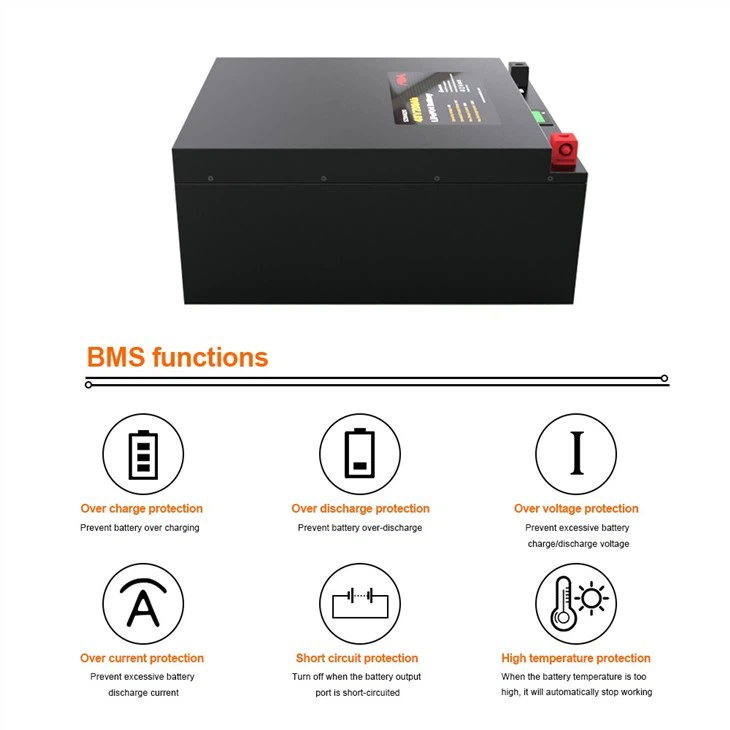
One of the main risks with lithium - ion batteries is thermal runaway. This is a situation where the battery overheats and can lead to a fire or explosion. To prevent this, make sure the battery has a good battery management system (BMS). The BMS helps to monitor the battery's temperature, voltage, and current, and it can shut down the battery if it detects any abnormal conditions.
When charging lithium - ion batteries, use a charger that's specifically designed for them. Using the wrong charger can cause overcharging, which can lead to thermal runaway.
If you're interested in high - quality lithium - ion forklift batteries, we offer some great options like the Deep Cycle 200ah 48v Lithium Iron Phosphate Rechargeable Lifepo4 Lithium Battery Pack, 48V 100ah Lifepo4 Bms Inside Battery, and Deep Cycle 48V 200ah EV Battery. These batteries are designed with safety and performance in mind.
7. Training
All employees who work with forklift batteries should receive proper training. They need to know how to handle, charge, and maintain the batteries safely. Training should cover topics like PPE usage, charging procedures, and what to do in case of an emergency.
Regular refresher courses are also a good idea. Safety regulations and best practices can change over time, so it's important for employees to stay up - to - date.
8. Emergency Preparedness
Despite taking all the necessary safety precautions, accidents can still happen. That's why it's important to be prepared for emergencies.
Have a spill kit on hand in case of acid spills. The spill kit should contain materials like absorbent pads, neutralizing agents, and protective equipment.
In case of a fire, know which type of fire extinguisher to use. For lithium - ion battery fires, a Class D fire extinguisher is usually recommended, while for lead - acid battery fires, a dry chemical or CO2 extinguisher can be used.
Also, have an emergency evacuation plan in place. Make sure all employees know where the emergency exits are and what to do in case of an emergency.
Conclusion
Forklift battery safety is of utmost importance. By following these safety precautions, you can reduce the risk of accidents, protect your employees, and ensure the long - term performance of your forklift batteries.
If you're in the market for high - quality forklift batteries or have any questions about battery safety, feel free to reach out to us. We're here to help you make the right choice and ensure that you're using your batteries safely.
References
- Forklift Battery Safety Guidelines from industry standards
- Manufacturer's manuals for various forklift batteries