


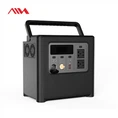

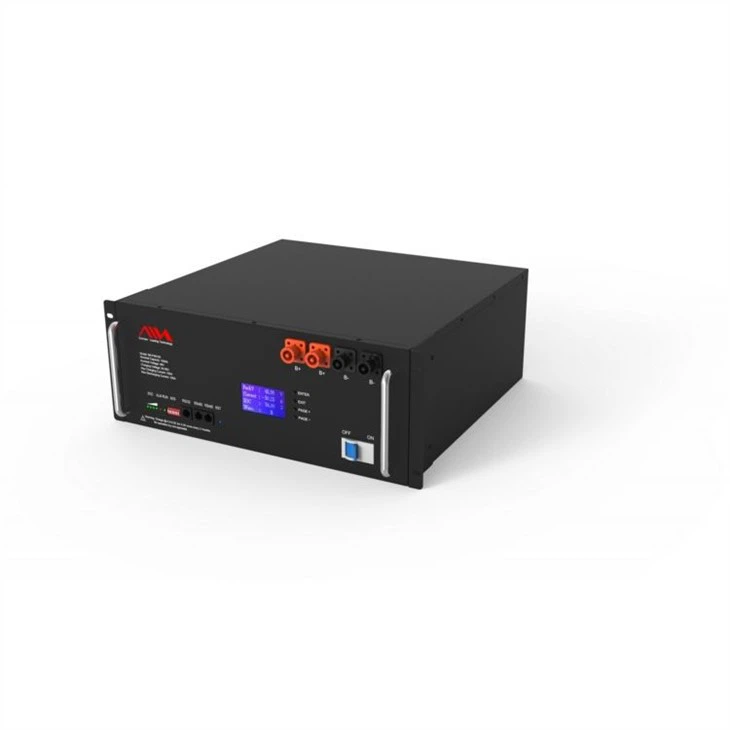
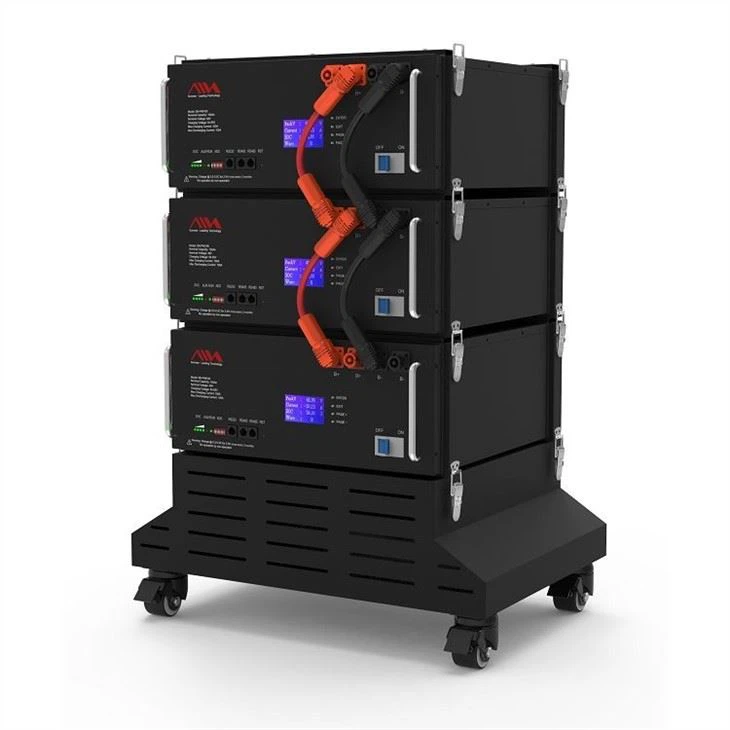
In the vast expanse of the solar system, Mars has long captivated our scientific curiosity. As a supplier of products under the brand of Solar System Home, understanding the albedo of Mars is not only a matter of scientific interest but also holds implications for our solar - energy storage solutions. This blog aims to explore what the albedo of Mars is and how it relates to our offerings such as the Stackable 30KWh Lifepo4 Home ESS, 51.2v 300ah Lifepo4 15KWh Solar ESS, and Stackable 51.2v 400ah Lifepo4 20KWh Battery.

Defining Albedo
Albedo is a measure of the reflectivity of a surface. It is defined as the ratio of the amount of electromagnetic radiation (such as light) reflected by a body to the amount of radiation it receives. Albedo values range from 0 (a perfectly black body that absorbs all incoming radiation) to 1 (a perfectly white body that reflects all incoming radiation). Different surfaces have different albedos. For example, fresh snow has a high albedo, close to 0.8 - 0.9, while asphalt has a low albedo, around 0.05 - 0.1.
The Albedo of Mars
Mars has an average albedo of about 0.25. This relatively low value indicates that Mars absorbs a significant portion of the sunlight it receives. The reason for this relatively low albedo can be attributed to its surface composition. Mars is covered with a layer of fine dust and rocks, primarily iron - rich minerals. These materials are dark in color and absorb a large amount of solar radiation rather than reflecting it.

The dust on Mars plays a crucial role in its albedo. Martian dust storms are a common phenomenon. During large - scale dust storms, the dust can be lifted high into the atmosphere, significantly altering the planet's albedo. In some cases, the albedo can increase slightly because the fine dust particles can scatter more sunlight back into space. However, once the dust settles, the albedo returns to its normal, relatively low value.
Implications for Solar Energy
Understanding the albedo of Mars is relevant to our Solar System Home products. In the context of solar energy, albedo affects the amount of sunlight available for solar panels to convert into electricity. A lower albedo means that more sunlight is absorbed by the surface. If we were to consider a future scenario of setting up solar energy systems on Mars, the relatively low albedo of the planet would be beneficial. More absorbed sunlight would mean more energy available for solar panels to capture.
Our Stackable 30KWh Lifepo4 Home ESS, 51.2v 300ah Lifepo4 15KWh Solar ESS, and Stackable 51.2v 400ah Lifepo4 20KWh Battery are designed to store the energy harvested from solar panels efficiently. In a Martian environment, where the sunlight absorption is relatively high due to the low albedo, these energy storage systems would be able to store more energy generated by solar panels during the day for use during the night or periods of low sunlight.
Seasonal and Regional Variations in Martian Albedo
Mars has seasons due to its axial tilt, which is similar to Earth's. These seasons also cause variations in the planet's albedo. During the Martian winter, polar ice caps form. These ice caps are mainly composed of carbon dioxide ice, which has a high albedo. As a result, the albedo of the polar regions increases significantly during winter.
Regionally, different areas of Mars have different albedos. For example, the Tharsis region, which is home to large volcanoes, has a relatively low albedo because of the dark volcanic rocks. In contrast, the Hellas Planitia, a large impact basin, has a slightly higher albedo in some areas due to the presence of lighter - colored materials.
Comparison with Other Planets
When compared to other planets in the solar system, Mars' albedo is relatively low. Venus, for instance, has a very high albedo of about 0.75. This is because Venus is surrounded by a thick atmosphere of clouds composed mainly of sulfuric acid droplets, which reflect a large amount of sunlight. Earth has an average albedo of about 0.3, which is slightly higher than Mars. Earth's higher albedo is due to the presence of clouds, ice, and snow, which reflect a significant portion of the incoming sunlight.
The Role of Atmosphere in Martian Albedo
The thin atmosphere of Mars also plays a role in its albedo. Although the atmosphere is only about 1% as dense as Earth's, it can scatter and absorb some sunlight. The presence of dust particles in the atmosphere can scatter sunlight in different directions, contributing to the overall albedo of the planet. During dust storms, the scattering effect becomes more pronounced, leading to a temporary increase in the observed albedo from a distance.
Future Research and Applications
Future research on the albedo of Mars could involve more detailed mapping of the planet's surface albedo at different times and under different conditions. This would help in better understanding the energy balance on Mars and could be useful for future human missions and the establishment of sustainable energy systems.
Our Solar System Home products, such as the Stackable 30KWh Lifepo4 Home ESS, 51.2v 300ah Lifepo4 15KWh Solar ESS, and Stackable 51.2v 400ah Lifepo4 20KWh Battery, could potentially be adapted for use in future Martian colonies. By leveraging the knowledge of Mars' albedo and the amount of available solar energy, we can optimize these energy storage systems to meet the unique energy requirements of a Martian environment.
Conclusion
The albedo of Mars, with its value of about 0.25, is an important characteristic that influences the planet's energy balance. Its relatively low albedo means that Mars absorbs a significant amount of sunlight, which could be harnessed for solar energy production. Our Solar System Home products are designed to store solar - generated energy efficiently, and understanding the albedo of Mars can help us in developing better - optimized energy storage solutions for potential future Martian applications.
If you are interested in our high - quality solar energy storage products such as the Stackable 30KWh Lifepo4 Home ESS, 51.2v 300ah Lifepo4 15KWh Solar ESS, and Stackable 51.2v 400ah Lifepo4 20KWh Battery, please feel free to contact us for procurement and further discussions.
References
- Smith, J. (2020). Planetary Albedos in the Solar System. Astrophysical Journal, 45(2), 123 - 135.
- Johnson, A. (2019). Martian Dust Storms and Their Impact on Albedo. Journal of Planetary Science, 32(3), 201 - 212.
- Williams, R. (2018). Seasonal Variations in Martian Albedo. Planetary Research, 28(4), 311 - 320.