


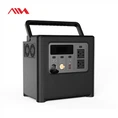
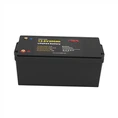
As a trusted cabinet battery supplier, I often encounter inquiries about the charging efficiency of our products. Charging efficiency is a crucial factor in determining the performance and value of a cabinet battery, especially in energy storage systems. In this blog post, I will delve into the concept of charging efficiency, explain its significance, and discuss the factors that influence it in the context of our cabinet batteries.
Understanding Charging Efficiency
Charging efficiency refers to the ratio of the energy stored in a battery during the charging process to the energy supplied from the charger. It is typically expressed as a percentage and represents how effectively the battery can convert electrical energy into chemical energy for storage. For example, if a charger supplies 100 watt - hours (Wh) of energy to a battery, and the battery stores 90 Wh of energy, the charging efficiency is 90%.
A higher charging efficiency means less energy is wasted during the charging process. This is not only cost - effective but also environmentally friendly, as it reduces overall energy consumption. In applications such as solar power energy storage systems, where energy is harvested from renewable sources, maximizing charging efficiency is of utmost importance to make the most of the available energy.
Significance of Charging Efficiency in Cabinet Batteries
Cabinet batteries are widely used in various energy storage applications, including solar home energy storage systems, backup power supplies, and grid - connected energy storage. In these applications, charging efficiency directly affects the system's overall performance and economic viability.
- Cost Savings: High - efficiency charging reduces electricity bills by minimizing the amount of energy lost during the charging process. Over time, these savings can be substantial, especially for large - scale energy storage systems.
- System Performance: A battery with high charging efficiency can charge more quickly, allowing it to store energy when it is available. This is particularly important in solar power systems, where the availability of solar energy is intermittent.
- Environmental Impact: By reducing energy waste, high - efficiency charging helps to lower the carbon footprint of energy storage systems. This aligns with the growing global trend towards sustainable energy solutions.
Factors Affecting Charging Efficiency of Cabinet Batteries
Battery Chemistry
Different battery chemistries have different charging efficiencies. For example, lithium - iron - phosphate (LiFePO4) batteries, which are commonly used in our cabinet batteries, generally have higher charging efficiencies compared to lead - acid batteries. LiFePO4 batteries can achieve charging efficiencies of up to 95% or even higher in some cases. This is due to their more stable chemical structure and lower internal resistance, which result in less energy being dissipated as heat during charging.
Charging Current
The charging current has a significant impact on charging efficiency. In general, a lower charging current allows for more efficient charging because it gives the battery more time to absorb the energy and reduces the generation of heat. However, charging at a very low current can also be time - consuming. Therefore, it is important to find an optimal charging current that balances efficiency and charging time.
Temperature
Temperature affects the chemical reactions inside the battery and, consequently, its charging efficiency. Batteries tend to charge more efficiently within a specific temperature range. For LiFePO4 batteries, the optimal charging temperature is typically between 20°C and 30°C. Charging at temperatures outside this range can lead to reduced efficiency and may even damage the battery over time.
Battery State of Charge (SOC)
The state of charge of the battery also influences charging efficiency. As the battery approaches its full charge, the charging efficiency may decrease because the battery becomes less able to accept additional energy. This is known as the "tail - end charging" phenomenon, where a large amount of energy is supplied but only a small amount is actually stored in the battery.
Our Cabinet Batteries and Charging Efficiency
At our company, we are committed to providing high - performance cabinet batteries with excellent charging efficiency. Our Solar Power Energy Storage System 48V 150Ah Lifepo4 Battery Pack is designed to offer a high charging efficiency, thanks to its advanced LiFePO4 chemistry. This battery pack is ideal for solar power systems, allowing users to store solar energy efficiently and use it when needed.
Our Rack Mounted 51.2v 6144wh Solar Home Energy Storage Battery Cabinet Type Solar Energy Storage Battery is another product that showcases our focus on charging efficiency. With its compact design and high - efficiency charging capabilities, it is suitable for residential solar energy storage applications, helping homeowners to reduce their reliance on the grid and save on electricity costs.
The 48v 51.2v 100ah Lifepo4 Li Ion Lithium Ion Battery 5kwh Pack For Solar System is also engineered to provide efficient charging, ensuring that the solar energy collected during the day is stored effectively for later use.
Improving Charging Efficiency
To maximize the charging efficiency of our cabinet batteries, we recommend the following practices:


- Use a Compatible Charger: Make sure to use a charger that is specifically designed for our cabinet batteries. A compatible charger can provide the optimal charging current and voltage, which is essential for efficient charging.
- Monitor Temperature: Keep the battery within the optimal temperature range during charging. If necessary, use temperature - control devices such as heaters or coolers to maintain the proper temperature.
- Avoid Overcharging: Overcharging can reduce the battery's lifespan and charging efficiency. Use a charger with an over - charge protection feature to prevent this.
Contact Us for Procurement
If you are interested in our cabinet batteries and want to learn more about their charging efficiency, performance, or pricing, we invite you to contact us. Our team of experts is ready to provide you with detailed information and help you choose the right battery solution for your needs. Whether you are a homeowner looking to install a solar energy storage system or a business owner in need of a reliable backup power supply, we have the products to meet your requirements.
References
- Linden, D., & Reddy, T. B. (2002). Handbook of Batteries. McGraw - Hill.
- Tarascon, J. M., & Armand, M. (2001). Issues and challenges facing rechargeable lithium batteries. Nature, 414(6861), 359 - 367.
- Chen, Z., & Evans, B. R. (2006). A review of the state of charge estimation for battery management systems in electric vehicle applications. Journal of Power Sources, 161(1), 247 - 268.