



Hey there! As an AGV battery supplier, I often get asked about the charging time of AGV batteries. It's a crucial topic, especially for businesses relying on Automated Guided Vehicles (AGVs) to keep their operations running smoothly. So, let's dive right in and explore what affects the charging time of an AGV battery.
Factors Affecting AGV Battery Charging Time
Battery Capacity
First off, the capacity of the battery plays a huge role. Think of it like filling up a water tank. A larger tank takes longer to fill than a smaller one. Similarly, an AGV battery with a higher amp - hour (Ah) rating will take more time to charge. For example, a battery with a capacity of 100Ah will generally take longer to charge than a 50Ah battery, assuming the charging current is the same.
Charging Current
The charging current is another key factor. It's like the flow rate of water into the tank. A higher charging current means the battery will charge faster. However, there's a catch. Batteries have a maximum charging current they can handle safely. If you exceed this limit, it can lead to overheating, reduced battery life, and even safety hazards.
Battery Chemistry
Different battery chemistries have different charging characteristics. The most common types of AGV batteries are lead - acid and lithium - iron - phosphate (LiFePO4).
Lead - acid batteries are relatively inexpensive but have a slower charging rate. They also require more maintenance, such as regular water top - ups. On the other hand, LiFePO4 batteries are more expensive upfront but offer faster charging times, longer lifespan, and lower maintenance requirements. For instance, a LiFePO4 battery can often be charged in a fraction of the time it takes to charge a lead - acid battery of the same capacity.
Calculating Charging Time
The basic formula to calculate the charging time of a battery is:
Charging Time (hours)= Battery Capacity (Ah)/Charging Current (A)
However, this is a simplified formula. In real - world scenarios, there are other factors to consider, such as the charging efficiency. Not all of the electrical energy going into the battery is actually stored. Some energy is lost as heat during the charging process. So, you need to adjust the calculation to account for this.
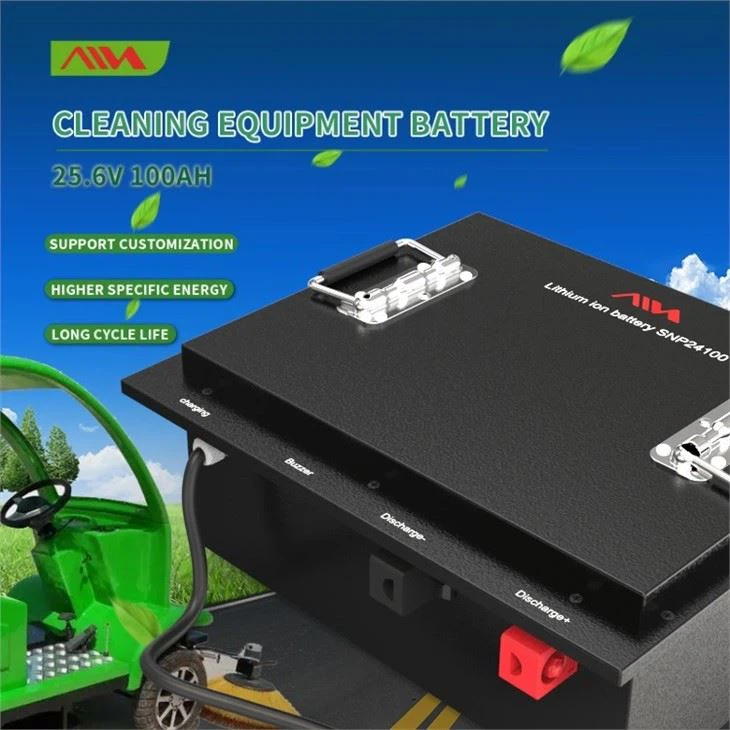
Let's say you have a Cleaning Equipment Battery Pack 24V 50ah and a charging current of 10A. Using the basic formula, the charging time would be 50Ah/10A = 5 hours. But considering a charging efficiency of, say, 80%, the actual charging time would be 5/0.8 = 6.25 hours.
Tips to Reduce Charging Time
Use a High - Quality Charger
Investing in a high - quality charger is essential. A good charger can optimize the charging process, adjusting the charging current based on the battery's state of charge. It can also prevent overcharging and undercharging, which can both damage the battery.

Implement Fast - Charging Technologies
Some modern chargers use fast - charging technologies that can significantly reduce the charging time. For example, some LiFePO4 batteries can support fast - charging up to a certain limit. However, make sure to follow the manufacturer's guidelines when using fast - charging to avoid any issues.
Battery Management System (BMS)
A Battery Management System is a must - have for AGV batteries. It monitors the battery's voltage, temperature, and state of charge. It can also balance the cells in the battery pack, ensuring that each cell is charged evenly. This not only extends the battery life but can also help in reducing the overall charging time.
Real - World Examples
Let's take a look at some real - world products. Our Customized LiFePO4 24V 50Ah 100Ah Floor Cleaning Machine Battery Operated Floor Sweeper Battery is designed for efficient operation. With a proper charger and a well - functioning BMS, a 50Ah battery can be charged in around 2 - 3 hours, depending on the charging current and efficiency.
Another example is the Sweeper Robot 24V 100ah Lifepo4 Battery. Due to its larger capacity, it will take longer to charge. But with a high - current charger and advanced charging algorithms, we can still achieve a relatively fast charging time compared to traditional lead - acid batteries.
Conclusion
The charging time of an AGV battery depends on multiple factors, including battery capacity, charging current, and battery chemistry. By understanding these factors and taking appropriate measures such as using high - quality chargers, implementing fast - charging technologies, and having a reliable BMS, you can optimize the charging process and reduce downtime.
If you're in the market for AGV batteries and want to learn more about how to minimize charging time and maximize battery performance, we're here to help. We offer a wide range of AGV batteries with different capacities and chemistries to suit your specific needs. Contact us for a consultation, and let's work together to find the best battery solution for your AGV fleet.
References
- Battery University: A comprehensive resource for battery knowledge, covering various battery chemistries, charging methods, and maintenance.
- Manufacturer's manuals for AGV batteries and chargers, which provide detailed information on charging specifications and safety guidelines.