



As a supplier of 30KWH solar systems, I often encounter customers who are confused about the differences between monocrystalline and polycrystalline solar systems. In this blog post, I'll delve into the key disparities between these two types of 30KWH solar systems to help you make an informed decision for your energy needs.
Composition and Structure
Monocrystalline solar panels are made from a single, pure crystal structure. This uniform structure allows electrons to move more freely, which generally results in higher efficiency. The manufacturing process involves growing a single large crystal from molten silicon, which is then sliced into wafers to create the panels. The appearance of monocrystalline panels is typically a deep black color with rounded edges, and they often have a more premium look.


On the other hand, polycrystalline solar panels are composed of multiple small silicon crystals. The manufacturing process is less complex and less expensive. Molten silicon is poured into a square mold, and as it cools, multiple crystals form. The resulting panels have a distinct, shattered - glass appearance with a bluish color. The multiple crystal boundaries in polycrystalline panels can impede the flow of electrons, which affects their efficiency compared to monocrystalline panels.
Efficiency
Efficiency is a crucial factor when considering a 30KWH solar system. Monocrystalline panels generally have a higher efficiency rate, typically ranging from 18% to 22%. This means they can convert a larger percentage of sunlight into electricity. For a 30KWH system, fewer monocrystalline panels are needed to achieve the desired power output compared to polycrystalline panels. This can be an advantage if you have limited roof space.
Polycrystalline panels usually have an efficiency rate between 15% to 18%. Due to their lower efficiency, more polycrystalline panels are required to generate the same 30KWH of power. If you have ample space available for the installation, the lower efficiency might not be a significant drawback, as the cost - per - watt is often lower for polycrystalline panels.
Performance in Different Conditions
Monocrystalline panels tend to perform better in low - light conditions. Their uniform crystal structure allows them to capture and convert sunlight more effectively even when the light is not direct or during cloudy days. This consistent performance can be beneficial in regions with less sunlight or where there are frequent cloud coverages.
Polycrystalline panels are more sensitive to high temperatures. As the temperature rises, their efficiency can drop more significantly compared to monocrystalline panels. However, in cooler climates, polycrystalline panels can still provide a reliable power output and are a cost - effective option.
Cost
Cost is often a deciding factor for many customers. Monocrystalline panels are generally more expensive than polycrystalline panels. The higher manufacturing cost of growing single - crystal silicon contributes to the price difference. However, considering their higher efficiency, the long - term cost - effectiveness of monocrystalline panels can be comparable or even better, especially if you have limited space and need to maximize power generation.
Polycrystalline panels are more budget - friendly. Their lower cost per panel makes them an attractive option for those looking to install a 30KWH solar system on a tight budget. If space is not a constraint, the lower upfront cost of polycrystalline panels can result in significant savings.
Lifespan
Both monocrystalline and polycrystalline solar panels have a long lifespan. Monocrystalline panels typically come with a longer warranty, often around 25 - 30 years. Their high - quality manufacturing process and uniform structure contribute to their durability over time.
Polycrystalline panels usually have a warranty of about 20 - 25 years. While they may not have the same long - term performance guarantee as monocrystalline panels, they can still provide reliable service for a couple of decades.
Energy Storage Compatibility
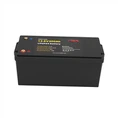
When setting up a 30KWH solar system, energy storage is an important consideration. We offer a range of battery options that are compatible with both monocrystalline and polycrystalline systems. For example, the Sunnew 15KWh 48V 300Ah Stackable LiFePO4 Battery Pack is a great choice for storing the energy generated by your solar system. It provides a high - capacity storage solution that can be easily stacked to meet your specific energy storage needs.
The Brick 20KWh Battery For Home ESS is another option for homeowners looking to store excess solar energy. This battery is designed for home energy storage systems and can work seamlessly with both types of solar panels.
If you need a more compact storage solution, the LiFePO4 51.2V 200Ah 10Kwh Brick Battery is a suitable choice. It offers a reliable and efficient way to store the energy produced by your 30KWH solar system.
Which One Should You Choose?
The choice between a monocrystalline and polycrystalline 30KWH solar system depends on several factors. If you have limited roof space, live in an area with less sunlight, and are willing to invest more upfront for better long - term performance, a monocrystalline system might be the best option.
On the other hand, if you have plenty of space, are on a tight budget, and live in a region with abundant sunlight and cooler temperatures, a polycrystalline system could be more suitable.
Conclusion
In conclusion, both monocrystalline and polycrystalline 30KWH solar systems have their own advantages and disadvantages. Understanding the differences in composition, efficiency, performance, cost, and lifespan is essential for making an informed decision. As a supplier of 30KWH solar systems, we are here to help you choose the right system based on your specific needs and circumstances. Whether you opt for the high - efficiency monocrystalline panels or the budget - friendly polycrystalline panels, we can provide you with the necessary components and support for a successful solar installation.
If you are interested in purchasing a 30KWH solar system or have any questions about the differences between monocrystalline and polycrystalline systems, please feel free to contact us. We look forward to discussing your energy needs and helping you find the perfect solar solution.
References
- "Solar Photovoltaic Technology: Systems, Design, and Applications" by Markvart and Castaner.
- Various industry reports on solar panel technology and performance.