



In the modern world, where our lives are increasingly dependent on electronic devices, the importance of reliable power sources cannot be overstated. Batteries play a crucial role in keeping our gadgets, appliances, and even entire systems running. Among the various types of batteries available, regular batteries and backup batteries are two commonly used options, each with its own unique characteristics and applications. As a backup battery supplier, I am well - versed in the differences between these two types of batteries, and I'm excited to share this knowledge with you.
Understanding Regular Batteries
Regular batteries, also known as primary batteries, are the most common type of batteries we encounter in our daily lives. They are designed for single - use and are not rechargeable. These batteries are widely used in low - power devices such as remote controls, flashlights, wall clocks, and children's toys.
One of the key features of regular batteries is their simplicity. They are relatively inexpensive to produce, which makes them an affordable option for consumers. They come in standard sizes such as AA, AAA, C, D, and 9 - volt, making them easily accessible and interchangeable in most devices.
Regular batteries work based on a chemical reaction that produces a flow of electrons. Once the chemical reactants are depleted, the battery loses its ability to generate power, and it must be discarded. This disposable nature is both an advantage and a disadvantage. On one hand, it eliminates the need for charging equipment and the hassle of recharging. On the other hand, it contributes to environmental waste, as billions of regular batteries are discarded each year.
The Concept of Backup Batteries
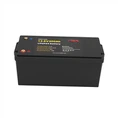
Backup batteries, on the other hand, are designed to provide power when the primary power source fails. They are often rechargeable, which means they can be used multiple times. Backup batteries are commonly used in critical systems where a continuous power supply is essential, such as data centers, hospitals, and emergency lighting systems.
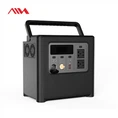
In addition to large - scale applications, backup batteries are also popular in portable power stations. For example, the 1200W Portable Solar Generator 1228Wh Lithium Battery Portable Power Station is a great option for outdoor enthusiasts and those who need a reliable power source on the go. It can be charged using solar panels, making it an environmentally friendly choice. Another option is the 900W Portable Generator For Outdoor Camping, which is perfect for camping trips and other outdoor activities. The Sunnew Portable Outdoor Solar Energy System Power Station 700w Lithium Ion Portable Power Station also offers a convenient and efficient way to store and use solar energy.


Key Differences between Regular and Backup Batteries
1. Functionality
The primary function of regular batteries is to power everyday devices. They are designed to provide a steady, low - level power output over a relatively short period. Backup batteries, however, are focused on providing emergency power. They need to be able to deliver a large amount of power quickly when needed, and they must be able to maintain that power output for a sufficient amount of time.
2. Rechargeability
As mentioned earlier, most regular batteries are non - rechargeable. Once they are depleted, they are thrown away. Backup batteries are usually rechargeable, which allows them to be reused. This not only saves money in the long run but also reduces environmental impact. Rechargeable backup batteries can be charged using various methods, including solar power, grid power, and vehicle charging.
3. Capacity and Power Output
Backup batteries typically have a much higher capacity and power output than regular batteries. This is because they need to be able to support the operation of power - hungry devices or systems during a power outage. For example, a regular AA battery might have a capacity of around 2000 - 3000 mAh, while a backup battery in a portable power station could have a capacity of several thousand watt - hours.
4. Lifespan
The lifespan of a regular battery is limited to the duration of its chemical reaction. Once the reactants are used up, the battery is no longer functional. Backup batteries, especially high - quality rechargeable ones, can have a much longer lifespan. With proper maintenance and charging, a backup battery can last for several years or even decades.
5. Cost
In terms of upfront cost, regular batteries are generally cheaper than backup batteries. However, when considering the long - term cost, backup batteries can be more cost - effective. Since they are rechargeable, the cost per use is much lower compared to regular disposable batteries. Additionally, the cost of backup batteries has been decreasing in recent years, thanks to advancements in battery technology.
Applications of Regular and Backup Batteries
Regular batteries are suitable for a wide range of consumer electronics. They are ideal for devices that are used infrequently or for short periods, such as remote controls, which may only need a small amount of power intermittently. They are also a good choice for toys and small electronic gadgets that do not require a large amount of power.
Backup batteries, as mentioned before, are essential in critical systems. In a hospital, for example, backup batteries ensure that life - saving equipment such as ventilators and heart monitors continue to function during a power outage. In a data center, backup batteries prevent data loss and system damage by providing power until the generators can kick in.
For outdoor enthusiasts, backup batteries in portable power stations are a game - changer. The 900W Portable Generator For Outdoor Camping can power a refrigerator, charge smartphones, and run small appliances during a camping trip. The Sunnew Portable Outdoor Solar Energy System Power Station 700w Lithium Ion Portable Power Station allows campers to harness solar energy during the day and use it at night.
Why Choose Our Backup Batteries
As a backup battery supplier, we understand the importance of reliability and performance. Our backup batteries are made from high - quality materials and are designed to meet the highest standards. We offer a wide range of backup batteries, from small portable power stations to large - scale industrial batteries.
Our portable power stations, such as the 1200W Portable Solar Generator 1228Wh Lithium Battery Portable Power Station, are equipped with the latest battery technology, which provides a high energy density and a long lifespan. They are also designed to be lightweight and portable, making them easy to carry on outdoor adventures.
We provide excellent customer service and technical support. Our team of experts is always ready to help you choose the right backup battery for your needs. Whether you are a homeowner looking for a backup power source for your essential appliances or a business owner in need of a reliable power solution for your critical systems, we have the products and the expertise to meet your requirements.
Contact Us for Procurement
If you are interested in purchasing backup batteries for your personal or business needs, we invite you to contact us for a detailed discussion. Our sales team will be happy to provide you with more information about our products, pricing, and delivery options. We are committed to providing you with the best backup battery solutions at competitive prices.
References
- Linden, D., & Reddy, T. B. (2002). Handbook of Batteries. McGraw - Hill.
- Kousksou, T., Jamil, A., & Dubus, L. (2014). A review of energy storage technologies for wind power applications. Renewable and Sustainable Energy Reviews, 39, 455 - 471.