



Hey there! As a backup battery supplier, I've been getting a lot of questions lately about the difference between single - cell and multi - cell backup batteries. So, I thought I'd break it down for you in this blog post.
Let's start with the basics. A single - cell backup battery, as the name suggests, consists of just one cell. It's like a lone warrior in the battery world. These batteries are relatively simple in design. They're often used in small devices where space is limited and the power requirements are not too high. For example, some small remote controls or simple sensors might use single - cell batteries.
One of the biggest advantages of single - cell batteries is their simplicity. There's less going on inside, which means they're generally more reliable in terms of having fewer components that could fail. They're also usually cheaper to produce. If you're on a tight budget and only need a small amount of power, a single - cell battery might be the way to go.
However, single - cell batteries do have their limitations. The amount of power they can store is limited by the size and capacity of that one cell. So, if you need to power something that requires a lot of energy, like a large portable device or a piece of equipment for an extended period, a single - cell battery probably won't cut it. They also tend to have a shorter lifespan compared to multi - cell batteries, especially if they're used in high - demand situations.
On the other hand, multi - cell backup batteries are made up of multiple cells connected together. It's like having an army of little powerhouses working together. These batteries are commonly used in larger devices such as laptops, electric vehicles, and big 900W Portable Generator For Outdoor Camping.
The main advantage of multi - cell batteries is their high capacity. By connecting multiple cells, you can store a much larger amount of energy. This makes them ideal for applications where you need a long - lasting power source. They can also provide a higher voltage, which is necessary for some devices to operate properly. For instance, laptops need a certain voltage to run their processors and other components, and multi - cell batteries can deliver that.
Another benefit of multi - cell batteries is their ability to handle high - power demands. When you have multiple cells working together, they can distribute the load more evenly. This means that the battery is less likely to overheat or wear out quickly, even when you're using a lot of power.
But multi - cell batteries aren't without their drawbacks. They're more complex in design, which means there's a higher chance of something going wrong. If one cell fails, it can potentially affect the performance of the entire battery. They're also more expensive to manufacture because of the additional cells and the more complicated circuitry needed to connect them.


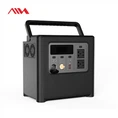
Now, let's talk about some real - world applications. If you're into camping or outdoor activities, a 307Wh Big Capacity Quick Charge Pure Sine Wave Power Station Solar Panel Charging Portable Outdoor Generator might be a great option. These usually use multi - cell batteries to provide enough power to charge your phones, run small lights, or even power a mini - fridge. The high capacity of the multi - cell battery ensures that you have power for the duration of your trip.
For those who are looking for a high - end, long - lasting power solution for home use or off - grid living, the Sunnew 2304Wh High Capacity Lithium Iron Battery Accessories Solar Charging 800W Quick Charge Portable Power Station is a great choice. It uses advanced multi - cell technology to store a huge amount of energy and can be charged quickly using solar panels.
So, in conclusion, the choice between a single - cell and multi - cell backup battery depends on your specific needs. If you need a simple, inexpensive power source for a small device, a single - cell battery might be right for you. But if you need a high - capacity, long - lasting power solution for larger devices or high - demand applications, then a multi - cell battery is the way to go.
If you're interested in learning more about our backup batteries or are looking to make a purchase, feel free to reach out. We're here to help you find the perfect battery solution for your needs. Whether you need a single - cell battery for a small project or a multi - cell battery for a big - time application, we've got you covered.
References
Some general knowledge about battery technology from industry - standard textbooks on electrical engineering and battery science. Industry reports and research papers on battery performance and applications.