



Hey there! As a home battery supplier, I often get asked about the differences between different home battery chemistries. It's a topic that can seem a bit technical at first, but understanding these differences is super important when you're looking to power your home efficiently and effectively. So, let's dive right in and explore the world of home battery chemistries!
Lead - Acid Batteries
Let's start with lead - acid batteries. These are the old - timers in the battery game. They've been around for ages, and you've probably seen them in cars. They're made up of lead plates and an electrolyte solution of sulfuric acid.
One of the big advantages of lead - acid batteries is their low cost. They're relatively inexpensive to produce, which makes them an attractive option for those on a budget. They're also pretty robust and can handle over - charging and deep - discharging better than some other chemistries.
However, they do have their drawbacks. They're heavy and bulky, which isn't ideal if you're short on space. They also have a relatively short lifespan compared to other battery types. You'll need to replace them more often, which can add up in the long run. And let's not forget about maintenance. Lead - acid batteries require regular watering and ventilation to prevent the build - up of hydrogen gas, which can be explosive.
Lithium - Ion Batteries
Now, let's talk about lithium - ion batteries. These are the rock stars of the battery world right now. They're used in everything from smartphones to electric cars, and they're becoming increasingly popular for home energy storage.
The main advantage of lithium - ion batteries is their high energy density. This means they can store a lot of energy in a relatively small and lightweight package. If you're looking for a compact and efficient home battery, lithium - ion is a great choice. They also have a long lifespan, often lasting 10 - 15 years or more. And they require very little maintenance. You don't have to worry about watering or ventilation like you do with lead - acid batteries.
But lithium - ion batteries aren't perfect. They're more expensive upfront than lead - acid batteries. The cost has been coming down over the years, but they're still a significant investment. They're also sensitive to high temperatures, which can reduce their lifespan if they're not properly cooled. And in rare cases, they can be a fire hazard if they're damaged or over - heated.


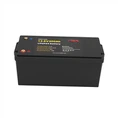
Lithium Iron Phosphate (LiFePO4) Batteries
Lithium iron phosphate (LiFePO4) batteries are a type of lithium - ion battery, but they have some unique characteristics. They're known for their safety. Unlike other lithium - ion batteries, LiFePO4 batteries are much less likely to catch fire or explode, even if they're damaged or over - charged.
They also have a long cycle life. A cycle is one charge and one discharge, and LiFePO4 batteries can typically handle thousands of cycles. This means they'll last a long time, even with frequent use. They perform well in a wide range of temperatures, which makes them a good choice for different climates.
On the downside, LiFePO4 batteries have a lower energy density compared to some other lithium - ion chemistries. This means they might need to be a bit larger to store the same amount of energy. And they're still relatively expensive, although the cost is coming down as the technology becomes more widespread.
Nickel - Metal Hydride (NiMH) Batteries
Nickel - metal hydride (NiMH) batteries are another option for home energy storage. They're a step up from lead - acid batteries in terms of energy density and lifespan. They're also more environmentally friendly than lead - acid batteries because they don't contain toxic lead.
NiMH batteries can handle high discharge rates, which means they can provide a lot of power quickly when you need it. They're also less prone to the "memory effect" that some other battery types suffer from. The memory effect is when a battery "remembers" a partial charge and loses its ability to hold a full charge over time.
However, NiMH batteries have a relatively high self - discharge rate. This means they'll lose their charge over time, even if they're not being used. They're also more expensive than lead - acid batteries and have a shorter lifespan compared to lithium - ion batteries.
Which Chemistry is Right for You?
So, how do you decide which home battery chemistry is right for you? Well, it depends on your needs and budget. If you're on a tight budget and don't mind a bit of maintenance, lead - acid batteries might be a good option. But if you're looking for a long - lasting, low - maintenance battery with high energy density, lithium - ion or LiFePO4 batteries are probably the way to go.
If you need a battery that can provide a lot of power quickly, NiMH batteries could be a good choice. And if you're concerned about the environment, you might want to consider NiMH or lithium - ion batteries over lead - acid batteries.
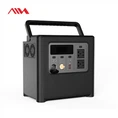
At our company, we offer a range of home batteries with different chemistries to suit your needs. For example, we have the 700W Solar Portable Power Station, which is a great option if you're looking for a portable and efficient power solution. We also have the Sunnew 2304Wh High Capacity Lithium Iron Battery Accessories Solar Charging 800W Quick Charge Portable Power Station, which offers high - capacity storage and fast charging. And if you're into outdoor camping, our 700W Portable Generator For Outdoor Camping is a reliable choice.
Making the Decision
When making your decision, it's also important to consider the size of your home, your energy consumption, and your future energy needs. If you have a large home with high energy consumption, you'll need a battery with a high capacity. And if you're planning to add more solar panels or other renewable energy sources in the future, you'll want a battery that can handle the additional power.
It's also a good idea to talk to a professional. We're here to help you understand your options and make the best decision for your home. We can provide you with detailed information about each battery chemistry, including their performance, lifespan, and cost.
Conclusion
In conclusion, there are several different home battery chemistries available, each with its own advantages and disadvantages. Lead - acid batteries are cheap but require maintenance. Lithium - ion batteries are efficient and long - lasting but expensive. LiFePO4 batteries are safe and have a long cycle life but have lower energy density. NiMH batteries are environmentally friendly and can handle high discharge rates but have a high self - discharge rate.
If you're interested in learning more about our home batteries or have any questions about which chemistry is right for you, we'd love to hear from you. Contact us to start a conversation about your home energy storage needs. We're here to help you find the perfect solution for your home.
References
- Linden, D., & Reddy, T. B. (2002). Handbook of Batteries. McGraw - Hill.
- Berckmans, D., Debruyne, D., & Van Gestel, T. (2018). Energy Storage Systems for Smart Grids. Springer.